33 Flavors Day
March 3, 2026

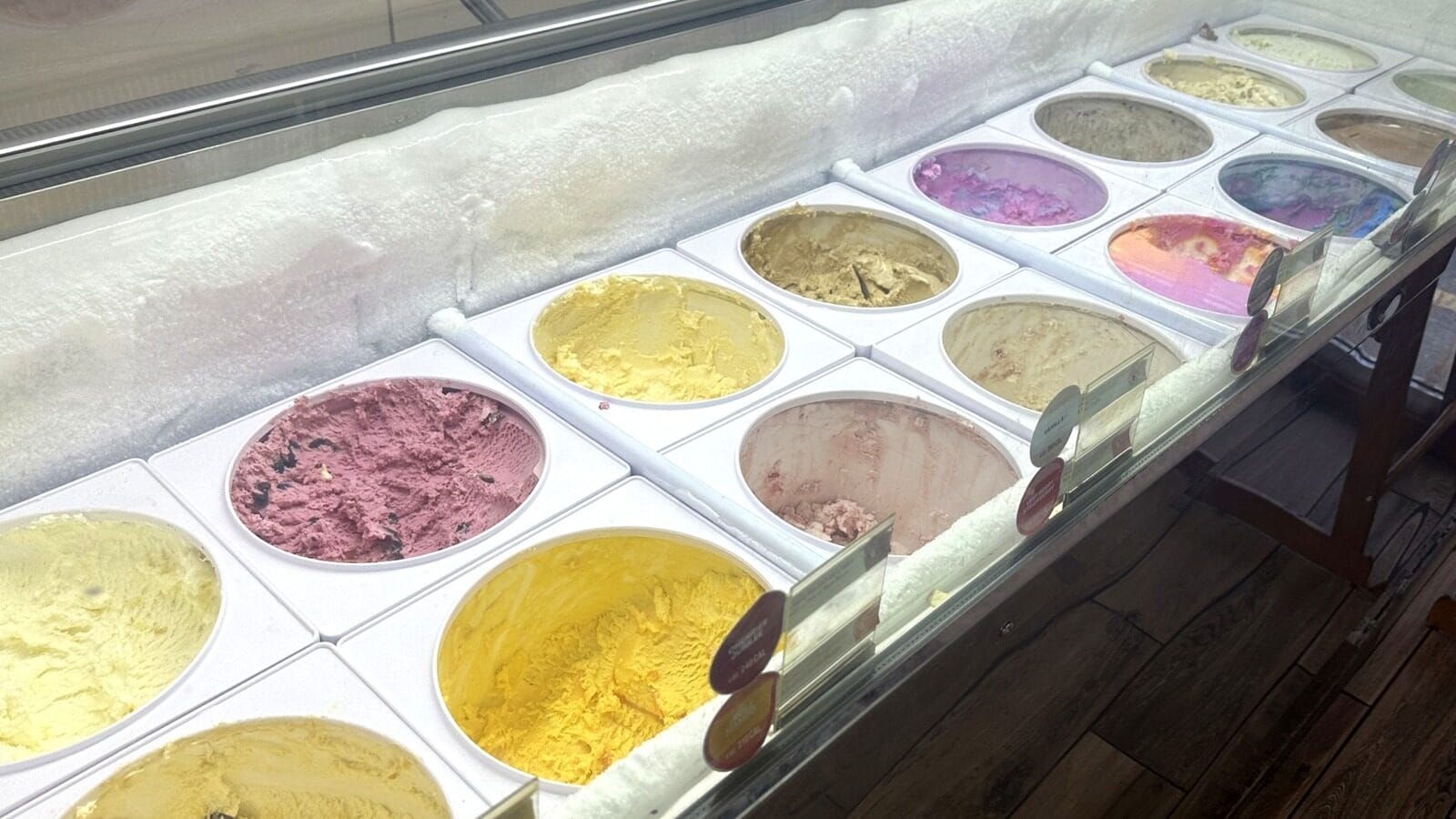
33 Flavors Day is observed in March and celebrates the idea of abundant variety in ice cream culture, especially the classic American parlor tradition of offering a broad menu of distinct flavors. While the “33 flavors” phrase is strongly associated with specific regional ice cream brands and shops that popularized the number as a marketing promise, 33 Flavors Day has broader cultural meaning. It points to a shift in how people learned to treat ice cream as a tasting experience rather than a single standardized dessert.
Ice cream itself has older roots than modern flavor menus. Frozen dairy desserts evolved through centuries of experimentation with ice, salt, cream, sugar, and flavorings. What changed in the United States during the late nineteenth and twentieth centuries was scale. Ice harvesting, mechanical refrigeration, and commercial dairying made frozen desserts widely accessible, turning ice cream from a luxury into an everyday purchase.
The ingredient microhistory that matters most for 33 Flavors Day is vanilla. Vanilla became the baseline flavor reference for ice cream because it pairs well with dairy fat and sugar and because it can be standardized in industrial production. Real vanilla comes from orchid pods cultivated primarily in tropical climates, and its history is tied to colonial trade and the later development of vanillin and other flavor compounds used to stabilize supply and lower costs.
Migration and trade shaped flavor diversity. Chocolate and vanilla traveled through global commodity routes. Fruits and nuts entered through regional agriculture. Spices and extracts expanded the palette through import networks. As cities grew and immigrant communities brought distinct sweets and flavor preferences, ice cream shops and parlors gained incentives to diversify menus to serve broader tastes.
Technological inflection points turned variety into something operationally possible. The development of reliable refrigeration, standardized batch freezers, pasteurization, and modern flavoring systems enabled shops to produce multiple flavors safely and consistently. Later, distribution of mix bases and flavor concentrates made it easier for small shops to expand menus without building every flavor from scratch.
33 Flavors Day reflects the moment when ice cream culture became about choice and identity. People stopped asking only for ice cream and started asking which ice cream, and that shift helped build the modern flavor economy.
33 Flavors Day highlights the cultural pleasure of abundance. The act of standing at a counter, sampling, and choosing among many flavors is not just consumption. It is a small ritual that reflects modern expectations of personalization. This ritual became mainstream as the twentieth century expanded consumer choice across food categories.
Agriculture sits behind every scoop. Dairy supply chains provide milk, cream, and butterfat, which shape richness and mouthfeel. Sugar production, whether from cane or beet, provides sweetness and freezing point control. Flavor ingredients connect to orchards, cocoa farms, nut groves, and spice routes. A “flavors wall” is a display of agricultural diversity translated into frozen form.
Economically, variety is both opportunity and cost. Offering many flavors can attract customers and encourage repeat visits, but it also increases inventory complexity, storage needs, and waste risk. Shops that made “33 flavors” a signature were effectively signaling operational capacity: they could source, produce, store, and serve variety reliably.
Regional comparisons reveal how flavor menus reflect local identity. In some regions, fruit flavors dominate due to nearby orchards and seasonal culture. In others, chocolate and nut flavors dominate due to confection traditions and stable commodity sourcing. Coastal areas may feature tropical fruit notes tied to trade access, while inland areas may lean toward baked-good-inspired flavors tied to local dairy and grain culture.
A misconception worth clarifying is that “33 flavors” implies limitless creativity without constraint. In reality, flavor development is constrained by fat solubility, freezing behavior, and texture stability. Some ingredients separate, ice, or become gritty when frozen. Many successful flavors are variations built around stable bases and mix-ins that hold structure at low temperatures.
Economic resilience also plays a role. During downturns, small indulgences often remain in demand. Ice cream shops and parlors can thrive by offering an affordable treat that feels special. The promise of many flavors strengthens that appeal because it increases the chance that each customer finds a personal favorite.
18th and early 19th centuries: Frozen dairy desserts remain limited to elite contexts due to ice access and labor demands.
Mid to late 19th century: Ice harvesting and urban distribution expand access to chilled desserts and early ice cream shops.
Early 20th century: Mechanical refrigeration and commercial dairying support wider production and retail growth.
Mid 20th century: Pasteurization and standardized mixes improve safety and consistency, enabling more flavor variation.
Late 20th century: Brand-driven flavor menus and parlor culture emphasize variety as a primary selling point.
21st century: Premiumization and artisanal methods expand flavor experimentation, including regional and cultural inspirations.
Present day: Flavor variety remains a key differentiator, shaped by supply chain availability, dietary trends, and consumer desire for personalization.
33 Flavors Day matters today because it celebrates a consumer experience that is increasingly rare: browsing abundance in a physical place, tasting, and committing to a choice. In a digital economy, the ice cream counter remains a tactile decision moment shaped by aroma, color, and texture cues.
Sensory anthropology helps explain why variety is central. Ice cream is not only sweet. It is temperature, fat release, and texture. Different flavors are also different mouthfeels because inclusions like nuts, cookie pieces, or fruit swirls change chew and melt. Variety invites people to choose not just taste but texture identity.
Modern food systems also make variety possible year-round. Frozen fruit supply, global cocoa, standardized extracts, and consistent dairy production reduce seasonal limitations. At the same time, supply disruptions can quickly narrow menus, which highlights the infrastructure behind abundance.
Misconceptions about flavor menus sometimes reduce them to marketing. While branding is real, the operational achievement is also real. Maintaining many flavors requires careful rotation, sanitation, storage management, and demand forecasting. 33 Flavors Day can recognize that craft without turning the holiday into promotion for any single business.
Economic resilience remains relevant. Ice cream continues to function as a small luxury with broad appeal. Variety strengthens that resilience by allowing shops to serve diverse preferences, dietary constraints, and cultural tastes.
33 Flavors Day matters because it honors how a simple dessert became a canvas for agricultural diversity, technological stability, and the modern cultural expectation that everyone should be able to find a flavor that feels like theirs.

