Autism Sunday
February 11, 2029

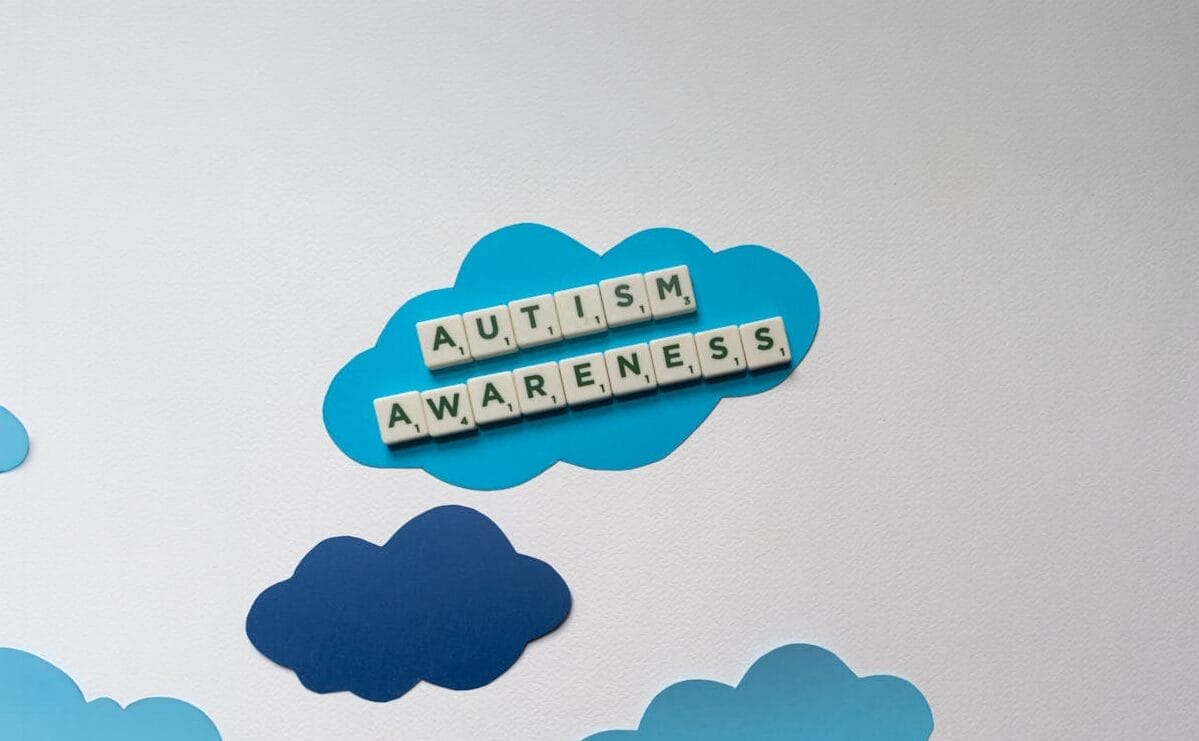
Autism Sunday is observed annually on the second Sunday in February. The observance was established in 2002 by Ivan and Charika Corea, founders of the United Kingdom based Christian organization Prospects for People with Learning Disabilities. The initiative originated as a church based awareness day focused on inclusion and support for individuals with autism and related developmental conditions within faith communities.
The date is calculated according to the Christian liturgical calendar as the second Sunday in February each year. Because it is tied to a weekday pattern rather than a fixed calendar date, the specific date varies annually. For example, if February 1 falls on a Monday, the second Sunday would occur on February 14 of that year.
Autism Sunday was initially observed in the United Kingdom but has since been recognized in churches in multiple countries. It remains primarily faith based rather than governmental in origin.
The observance is not established through national legislation or United Nations resolution. It is coordinated through church networks and faith based disability organizations.
Autism Sunday focuses on inclusion within congregational settings and dissemination of information about autism spectrum conditions. It does not function as a statutory health awareness month.
Since its establishment in 2002, Autism Sunday has continued as an annual faith community observance during the second Sunday of February.
Autism spectrum disorder is defined in clinical diagnostic manuals as a neurodevelopmental condition characterized by differences in social communication and behavior patterns. Diagnosis and treatment frameworks are governed by national healthcare systems and professional medical associations.
In the United Kingdom, disability protections for individuals with autism fall under the Equality Act 2010. In the United States, similar protections are provided through the Americans with Disabilities Act and the Individuals with Disabilities Education Act.
Public health data indicate that autism prevalence estimates have increased over recent decades. Variations in diagnostic criteria and surveillance methods contribute to changes in reported rates.
Autism Sunday does not establish medical guidelines or legal rights. It references existing clinical and legal frameworks in its educational materials.
Faith communities observing Autism Sunday may provide informational sessions or inclusive programming. Participation levels vary by denomination and geographic region.
The observance operates within established disability rights and healthcare policy environments without creating independent statutory obligations.
Churches in the United Kingdom and other countries mark Autism Sunday through sermons, informational materials, and inclusive worship services. The initiative remains coordinated through faith based networks.
Autism Sunday is distinct from World Autism Awareness Day, which is recognized by the United Nations on April 2. The two observances have different origins and administrative structures.
Statistical discussions during Autism Sunday may reference national health data on autism prevalence and educational support needs.
Participation outside Christian communities is limited, as the observance was designed specifically for church settings.
Autism Sunday does not carry governmental authority and does not mandate institutional compliance.
The observance continues annually on the second Sunday in February as a faith initiated awareness initiative grounded in existing medical and legal frameworks.