Berry Fresh Month
February 1, 2027

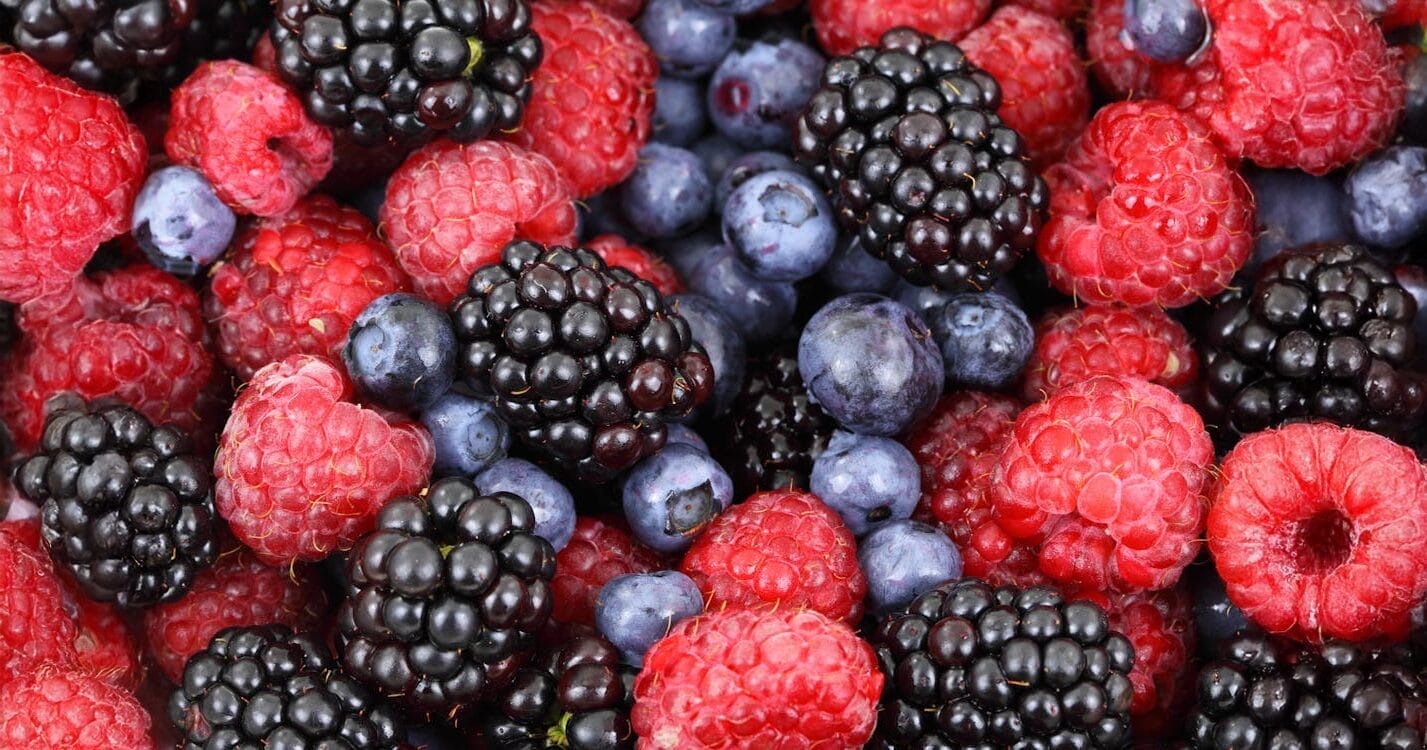
Berry Fresh Month is observed annually in February and highlights the role of berries in agriculture, nutrition, and seasonal eating. The observance developed through agricultural promotion efforts aimed at increasing awareness of fresh berry availability and production.
Berries have been part of human diets for thousands of years, gathered wild before being cultivated. Advances in farming, transportation, and preservation expanded access to berries beyond local harvest seasons.
Berry Fresh Month aligns with modern agricultural cycles and market distribution, emphasizing freshness and variety rather than a single species.
The observance reflects how seasonal foods are promoted within contemporary food systems.
Berries occupy a prominent place in food culture due to their color, flavor, and versatility. They appear in desserts, preserves, beverages, and savory dishes across cuisines.
Culturally, berries often symbolize abundance and seasonal renewal, appearing in festivals and traditional recipes.
Berry Fresh Month highlights how agricultural diversity supports culinary creativity and regional economies.
The observance connects everyday eating habits to broader food systems.
Berry Fresh Month remains relevant as consumers seek closer connection to food origins and seasonality.
The observance encourages awareness of agricultural labor and supply chains that make fresh produce accessible.
It also reinforces the value of variety and freshness in everyday diets.
The month matters because it recognizes how small fruits contribute to large cultural and economic systems.
