Black History Month
February 1, 2028

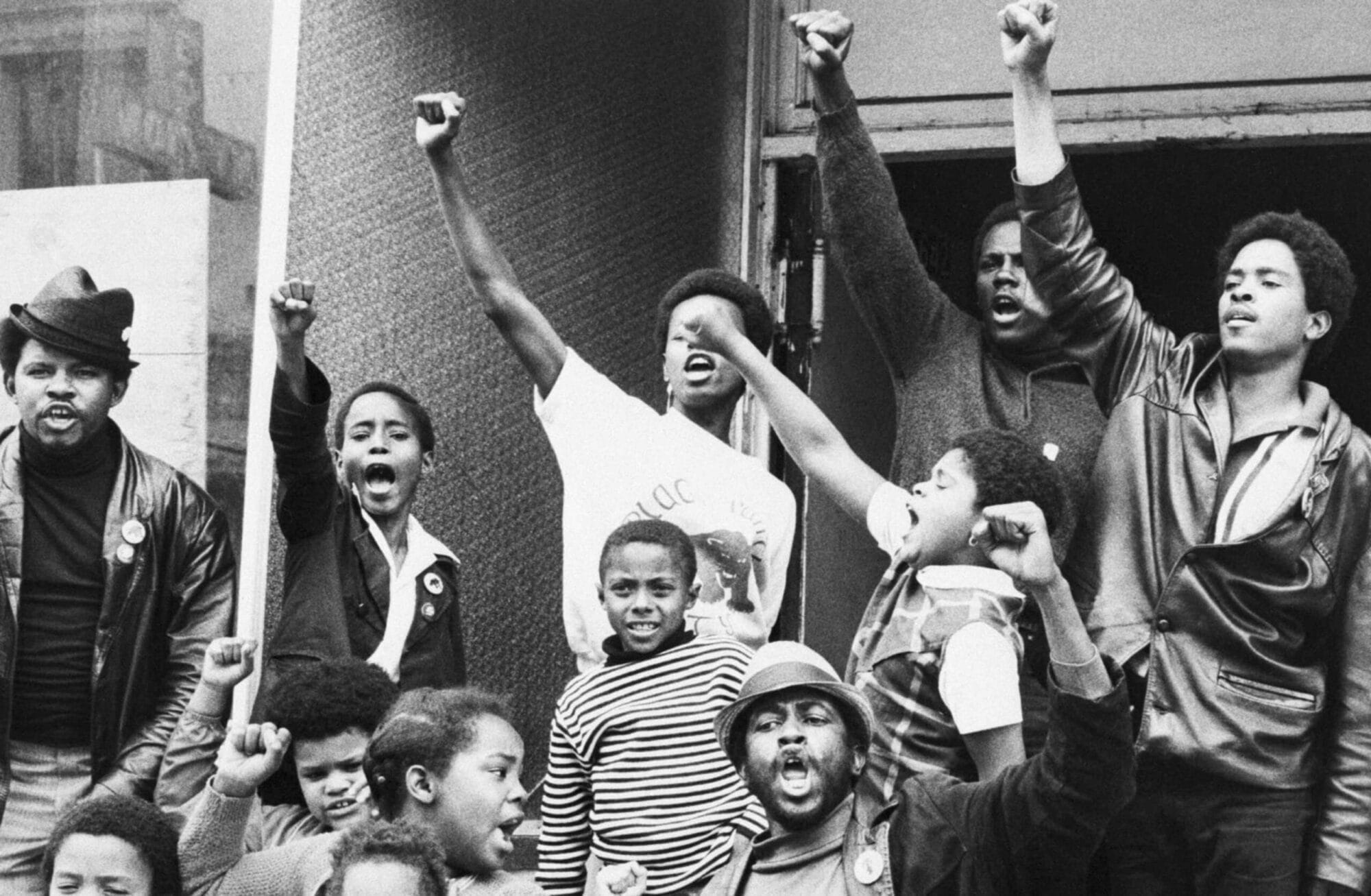
Black History Month is observed annually in February in the United States and originated as a scholarly and educational initiative rather than a commemorative festival. The observance traces its roots to historian Carter G. Woodson, who in 1926 established Negro History Week to address the systematic exclusion of Black people from historical narratives taught in schools and presented in public life.
Woodson’s work emerged in a context where prevailing histories either ignored Black contributions or portrayed them through distorted and dehumanizing lenses. By creating a focused period of study, Woodson sought to correct the record and demonstrate that Black history was not a marginal supplement to American history, but a foundational component of it.
The chosen week coincided with the birthdays of Abraham Lincoln and Frederick Douglass, figures already recognized in public memory. This strategic alignment allowed the observance to gain acceptance while expanding the scope of what was taught and remembered. Over time, educational institutions, civic organizations, and community groups expanded the week into a month-long observance.
In 1976, during the United States Bicentennial, Black History Month was formally recognized at the federal level. This recognition marked a shift from grassroots advocacy to institutional acknowledgment, while preserving the original intent of historical correction and scholarly rigor.
Black History Month serves as a corrective lens, challenging incomplete or misleading narratives that have shaped public understanding. It emphasizes that Black history encompasses far more than enslavement and civil rights struggle, including intellectual achievement, cultural innovation, political leadership, scientific contribution, and everyday life.
Educationally, the observance highlights how historical omission affects identity and belonging. When histories exclude entire populations, the consequences extend beyond knowledge gaps to civic disengagement and distorted national memory. Black History Month creates structured space for deeper engagement with primary sources, scholarship, and lived experience.
Culturally, the month acknowledges how Black communities have shaped music, language, cuisine, art, labor movements, and democratic ideals. Many aspects of American culture that are now considered mainstream emerged from Black creativity under conditions of constraint and resistance.
Socially, Black History Month reinforces the idea that historical understanding is not static. It evolves as new research, perspectives, and voices are included. The observance encourages reflection on how power influences whose stories are preserved and whose are overlooked.
Black History Month remains relevant because historical inequities continue to shape present conditions. Understanding how policies, practices, and cultural norms developed over time is essential to interpreting contemporary disparities in wealth, health, education, and political representation.
The observance also counters the misconception that Black history is separate from national history. It affirms that the United States cannot be understood without acknowledging the central role of Black people in its formation, growth, and ongoing transformation.
In an era of contested narratives and polarized discourse, Black History Month supports historical literacy. It encourages engagement with evidence, context, and complexity rather than simplified or politicized interpretations of the past.
Black History Month matters because memory shapes possibility. By expanding who is remembered and how history is taught, the observance strengthens collective understanding and reinforces the principle that an inclusive historical record is essential to a functioning democracy.
Black History Month is not meant to confine history to February — it is meant to ignite curiosity, accountability, and celebration all year. It pushes us to see beyond stereotypes, to honor the women who organized behind the scenes of the March on Washington, the Pullman porters who carried newspapers and ideas across the country, the nurses and teachers who integrated workplaces and changed lives. When February melts into March, the cadences of spirituals, jazz, and hip-hop continue to echo, urging us onward. As Carter G. Woodson envisioned, the stories of Black resilience, creativity, and ingenuity are not seasonal — they are threads woven through the American fabric, strengthening it with every generation.