British Pie Week
March 4, 2030

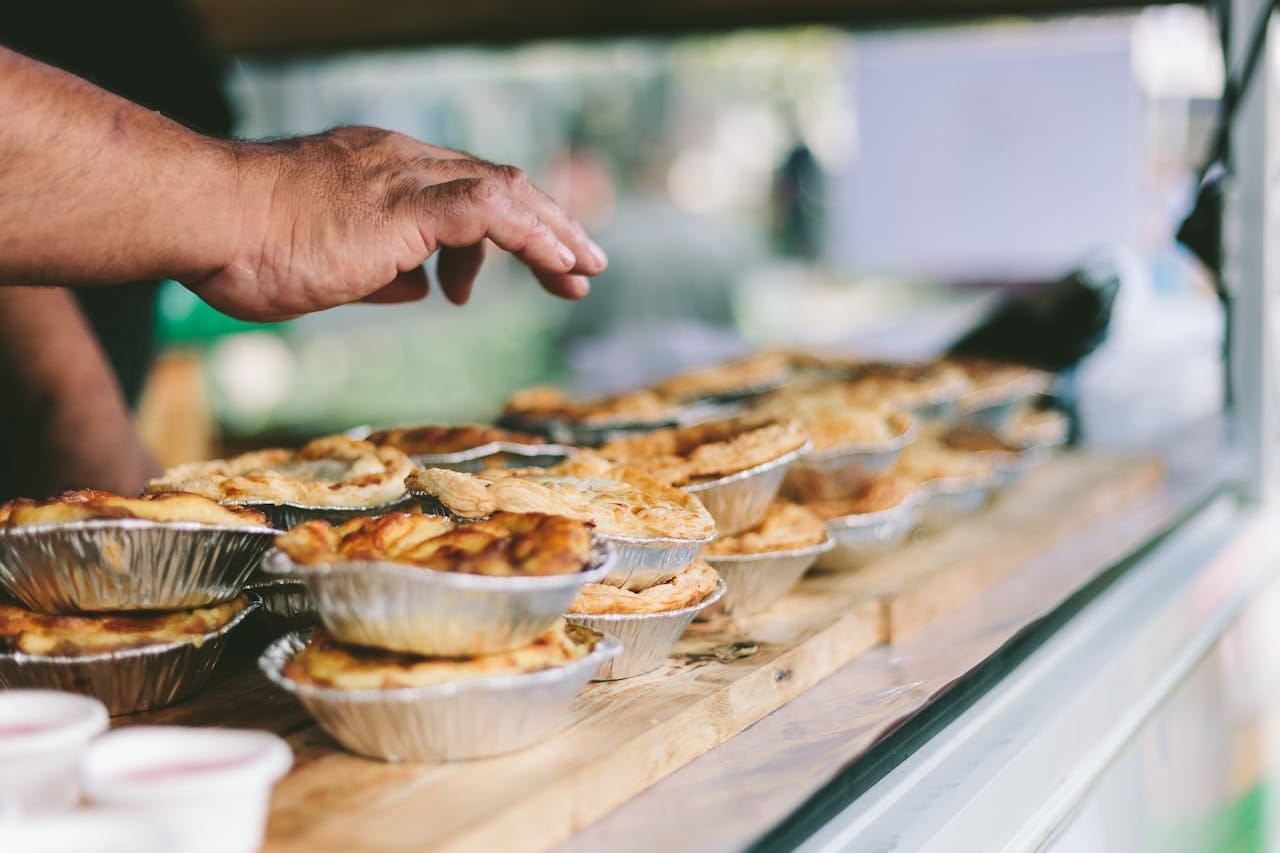
British Pie Week is observed in early March and celebrates one of the United Kingdom’s most enduring food structures: a filled dish enclosed by pastry that is designed to travel, hold heat, and concentrate flavor. British Pie Week is not just about comfort food. It is about a cooking technology that grew alongside urban labor, regional agriculture, and the rise of bakeries as civic infrastructure.
Pies in Britain have deep medieval roots, when pastry often functioned less as an edible luxury and more as a container. Early pie crusts could be thick and sturdy, built to protect fillings through long cooking and storage. In a world without refrigeration, enclosure was a preservation strategy as well as a serving method.
The ingredient microhistory that matters most for British pies is flour and fat, because pastry quality depends on milling and the handling of fats. As milling improved and flour became more consistent, pastry became more reliable and less gritty. Shifts from animal fats toward butter in some households and regions also changed texture and aroma, shaping what people came to expect from a “proper” crust.
Migration and trade shaped pie fillings and seasoning. Spices entered Britain through long trade routes, and later global exchange increased access to ingredients that found their way into sweet pies and festive bakes. At the same time, everyday British pies remained closely tied to local meats, root vegetables, and gravy systems that reflected what farms produced and what budgets allowed.
Technological inflection points turned pies into mass-market staples. Commercial bakeries scaled production for urban populations during industrialization. Temperature-controlled ovens and standardized baking tins increased consistency. Later, chilled retail distribution and freezer technology expanded how pies could be sold and stored, changing the balance between local baker craftsmanship and national brands.
British Pie Week reflects this long evolution from practical enclosure to cultural icon. The pie persists because it solves a real problem: how to turn modest ingredients into a complete meal with strong aroma, satisfying texture, and a sense of occasion.
British Pie Week highlights how pies express regional identity. Steak and ale pies, pork pies, fish pies, shepherd’s pie, and sweet fruit pies each carry different histories and social meanings. Even when the word pie is shared, the structure varies, ranging from fully enclosed pastry to topped casseroles, each reflecting local habits and available ingredients.
Agriculture sits under the pie in practical ways. Beef, lamb, pork, and poultry reflect regional livestock economies. Root vegetables like potatoes, carrots, and onions appear because they store well and stretch a filling. Herbs and alliums provide aromatic foundation that turns simple meat and starch into something that feels richer than its parts.
Economically, pies historically functioned as working food. They were portable, filling, and compatible with bakery production. In industrial towns, pies supported a lunch culture that needed calories and warmth. That labor context helps explain why pies remain emotionally charged in Britain, associated with pubs, football grounds, and everyday life rather than solely with special occasions.
Regional comparison adds clarity. Cornish pasties share the enclosure logic but are shaped for hand-held eating and individual portions. Pork pies, often served cold, rely on gelled stock and specific pastry techniques. Fish pies commonly use mashed potato topping, which reflects coastal access to fish combined with inland ideas of hearty baked meals. These differences are not cosmetic. They show how a single format adapts to geography.
A misconception worth correcting is that British pies are static or purely traditional. The pie format has always been adaptable, and contemporary pies reflect modern supply chains and taste changes. Vegetarian fillings, alternative fats, and global seasonings are not betrayals of pie culture. They are continuations of the pie’s historical purpose: enclosure as a flexible framework.
British Pie Week also intersects with economic resilience. Pies convert leftovers and secondary cuts into satisfying meals, and they store and reheat well. In periods of austerity or rising food prices, the pie remains relevant because it offers efficiency without feeling like deprivation. That is a crucial reason it persists as more than nostalgia.
Medieval era: Pastry containers are used to enclose meats and stews, prioritizing durability and preservation over tenderness.
Early modern period: Improvements in milling and ingredient trade increase pastry reliability and expand sweet pie possibilities.
18th century: Urban growth and expanding bakery culture increase access to pies as prepared foods for city dwellers.
19th century: Industrialization intensifies demand for portable, filling meals, strengthening the pie’s role in working-class food culture.
Early 20th century: Commercial bakeries and standardized ovens improve consistency and widen distribution beyond local shops.
Late 20th century: Chilled and frozen retail systems reshape pie purchasing, increasing convenience and national brand presence.
21st century: Artisan revival and global flavor influences expand fillings while maintaining the core enclosure logic of British pies.
British Pie Week matters today because pies remain a functional answer to modern pressures: time, cost, and the desire for satisfying meals. The format holds heat, carries sauce, and creates a complete eating experience that can be served in pubs, at home, or as takeaway without falling apart.
Sensory anthropology explains the pie’s staying power. The aroma of browned pastry, the steam release when cut, and the contrast between crisp crust and soft filling are sensory cues that signal care and fullness. Those cues matter culturally because they transform ordinary ingredients into something that feels substantial and communal.
Modern supply chains continue to shape pies. Availability of chilled pastry, prepared gravies, and pre-trimmed meats can reduce labor, while local butchers and bakeries preserve craft-driven approaches. British Pie Week provides a moment to notice both systems and how they coexist in the same market.
Misconceptions about pies as heavy or outdated overlook the pie’s adaptability. Lighter fillings, vegetable-forward pies, and updated portion styles show that the format can meet modern preferences without losing identity. The pie is a structure, not a single recipe.
Economic resilience remains central. Pies support batch cooking, reduce waste through leftover use, and provide reliable portioning. That practicality aligns with households seeking efficiency while still wanting meals that feel like more than functional fuel.
British Pie Week matters because it honors a food form that links medieval technique, industrial labor history, and modern convenience. It celebrates how a simple enclosure became a cultural symbol through repetition, adaptation, and sensory satisfaction.

