DiscoverE Girl Day
February 24, 2026

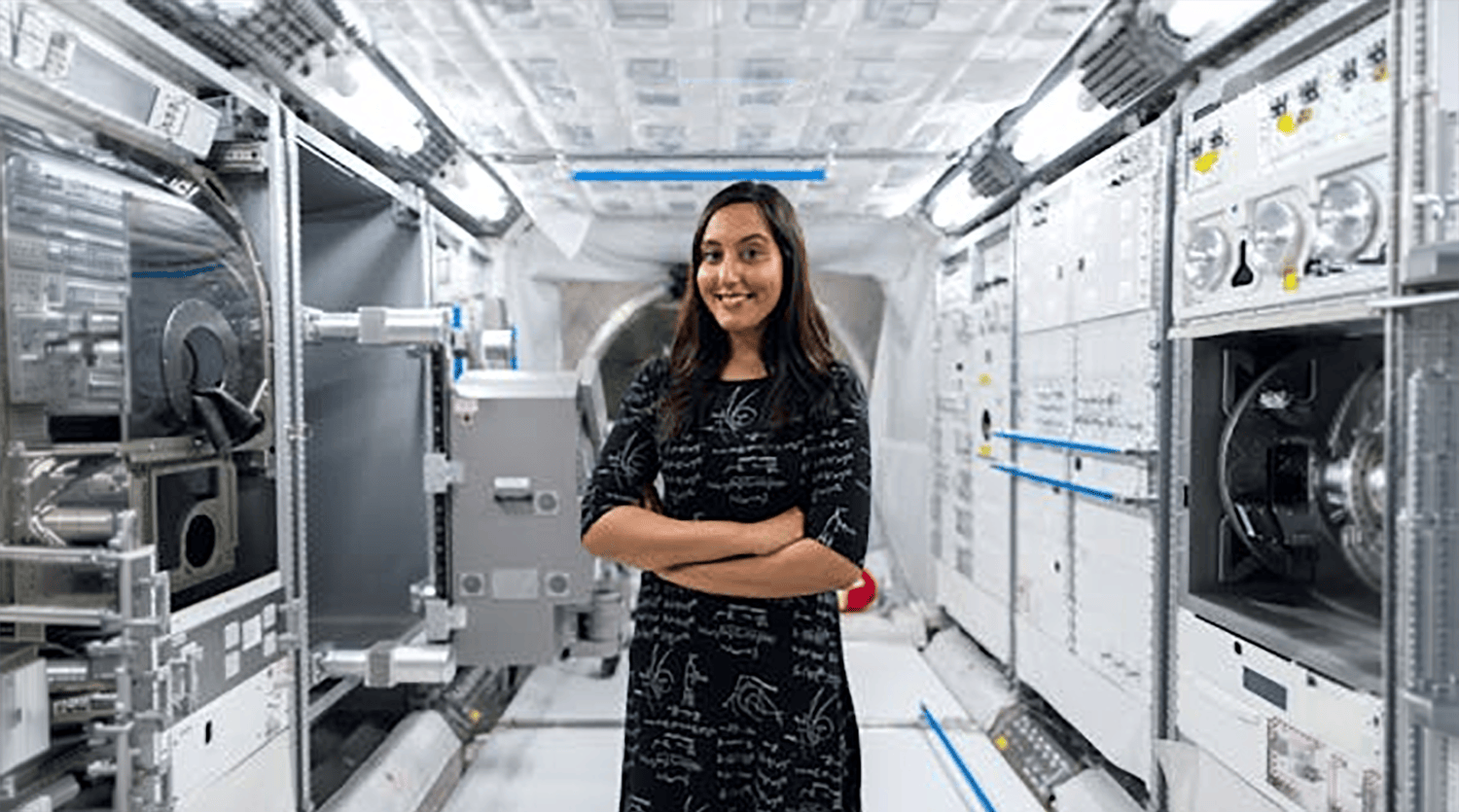
DiscoverE Girl Day is observed annually in February and is coordinated by DiscoverE, formerly known as the National Engineers Week Foundation, a nonprofit organization based in the United States. The observance was established in 2001 as an initiative to introduce girls to engineering careers through structured activities and direct engagement with engineers. Rather than being tied to a fixed calendar date, DiscoverE Girl Day is scheduled during Engineers Week, which is typically observed in the third week of February and includes February 22, the birthday of engineer George Washington. The specific date of DiscoverE Girl Day therefore shifts each year according to the Engineers Week calendar.
The founding organization, DiscoverE, was created to promote engineering education and career awareness. DiscoverE Girl Day was introduced within this framework to address documented gender disparities in engineering education and workforce participation. The 2001 establishment year is consistently referenced in DiscoverE historical materials describing the launch of the Girl Day initiative.
The geographic scope of DiscoverE Girl Day is international in participation but U.S. centered in origin and coordination. While DiscoverE operates primarily within the United States, engineering organizations, schools, and companies in other countries have participated in Girl Day programming under the DiscoverE framework or through similar localized initiatives.
DiscoverE Girl Day is not established by federal statute, congressional resolution, or United Nations proclamation. It is a nonprofit coordinated educational observance. Participation is voluntary and typically organized by schools, universities, professional engineering societies, and private sector engineering firms.
The scheduling of DiscoverE Girl Day during Engineers Week is a defining structural feature. Engineers Week is observed in February to align with George Washington’s birthday, reflecting his historical association with engineering and surveying. Because Engineers Week follows a week based calendar pattern rather than a fixed date, DiscoverE Girl Day inherits that variability.
The stated purpose of DiscoverE Girl Day is to provide hands on exposure to engineering concepts and to present information about engineering pathways. The observance functions as an educational initiative within established academic and professional development systems rather than as a policy instrument.
DiscoverE Girl Day operates within the broader context of science, technology, engineering, and mathematics education policy. In the United States, STEM education initiatives are shaped by federal funding programs, state curriculum standards, and institutional priorities at the K through 12 and higher education levels. The observance does not alter curriculum mandates but aligns with ongoing efforts to expand STEM participation.
Gender representation in engineering fields has been documented through national workforce and education statistics. Data from labor and education agencies indicate that women remain underrepresented in certain engineering disciplines. These figures vary by specialty and by country, and they are influenced by educational access, cultural factors, and labor market conditions.
Federal and state policies addressing equal educational opportunity provide the legal context for initiatives like DiscoverE Girl Day. In the United States, laws prohibiting discrimination in education and employment create a framework within which diversity focused programming can occur. The observance itself does not create new legal rights but operates within these established protections.
Workforce development strategies frequently include outreach programs designed to increase awareness of engineering careers among underrepresented groups. Such strategies may be funded through public grants or private sector partnerships. DiscoverE Girl Day provides a recurring calendar anchor for these outreach activities.
Statistical reporting on engineering degree attainment and workforce composition is periodically published by government agencies and professional societies. While the observance may reference these data points to contextualize participation goals, it does not independently collect or certify national statistics.
DiscoverE Girl Day therefore functions within established education and workforce policy systems as a nonprofit led outreach event rather than as a legislative directive. Its relevance is tied to ongoing discussions about STEM participation and career access.
Contemporary recognition of DiscoverE Girl Day includes classroom workshops, site visits to engineering firms, mentorship events, and virtual programming coordinated during Engineers Week. Participation varies by region and by the level of engagement from local engineering organizations.
Professional societies such as engineering associations and university engineering departments often collaborate in hosting Girl Day activities. These partnerships are voluntary and structured according to local capacity and interest.
Corporate participation is common, with engineering companies hosting informational sessions or providing employee volunteers to engage with students. Such involvement reflects workforce pipeline interests rather than statutory obligation.
Because the date shifts annually within Engineers Week, institutional calendars must be updated each year to reflect the correct scheduling. This variability is inherent to the observance’s alignment with Engineers Week rather than with a fixed calendar day.
Sensitivity and neutrality considerations require avoiding overstated claims about immediate impact. While the observance aims to increase awareness of engineering careers, measurable long term workforce changes depend on multiple structural factors beyond a single day of programming.
DiscoverE Girl Day continues annually during Engineers Week as a nonprofit initiated educational observance established in 2001 by DiscoverE. Its contemporary relevance lies in its role as a recurring outreach initiative within broader STEM education and workforce development frameworks.

