EDSA Revolution Holiday
February 25, 2031

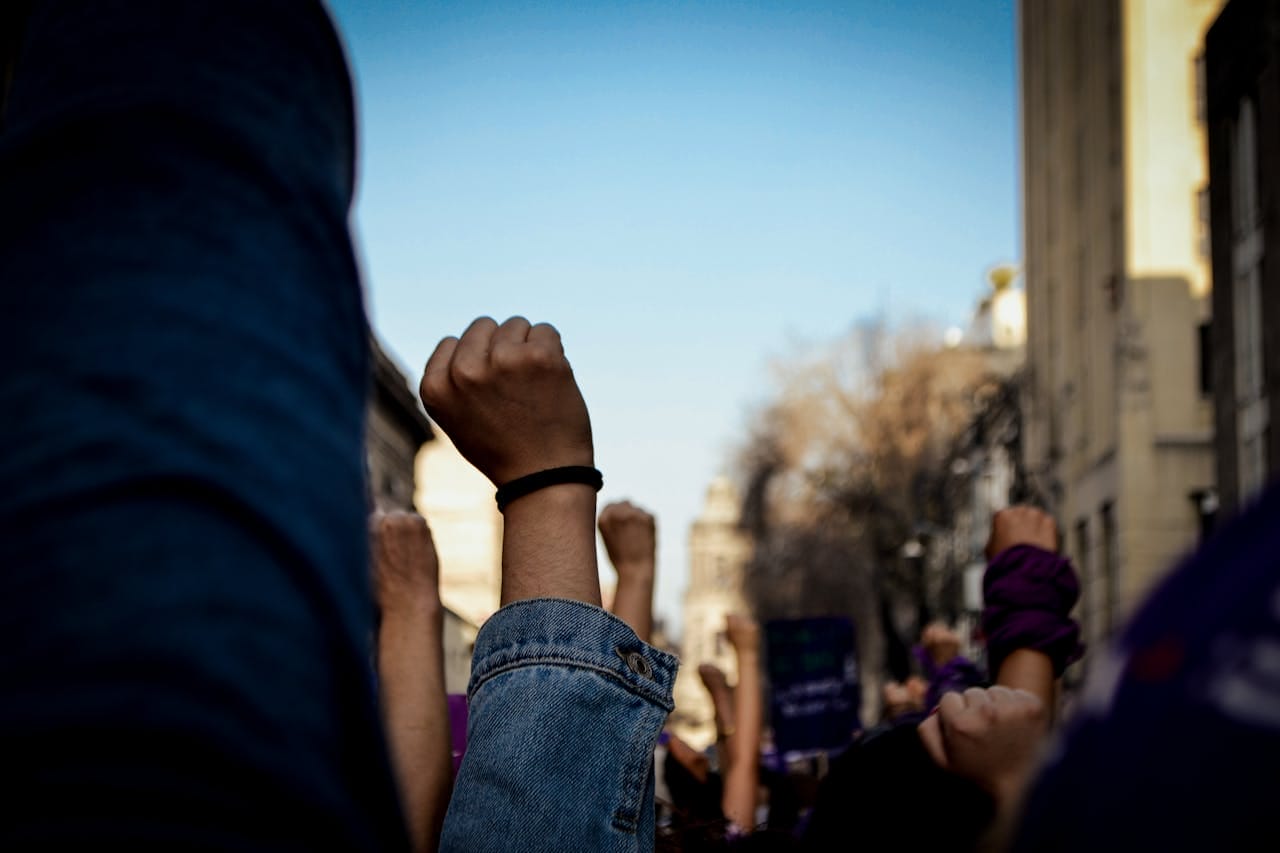
The EDSA Revolution Holiday is observed annually on February 25 in the Philippines. It commemorates the People Power Revolution of 1986, a four day period of mass demonstrations that led to the end of the presidency of Ferdinand Marcos and the assumption of office by Corazon Aquino. The date is fixed on February 25 each year, marking the final day of the uprising in 1986. In 2026, the EDSA Revolution Holiday falls on February 25, 2026.
The observance was formally recognized by the Philippine government following the events of February 22 to 25, 1986. Presidential proclamations and subsequent legislation established February 25 as a special non working holiday. The designation has been reaffirmed through periodic executive proclamations adjusting holiday schedules.
The geographic scope of the EDSA Revolution Holiday is national within the Philippines. It is not an international observance and does not derive from United Nations proclamation. Recognition is anchored in Philippine constitutional and legislative authority.
The historical events commemorated involved civilian demonstrations along Epifanio de los Santos Avenue, commonly known as EDSA, in Metro Manila. The revolution is characterized in Philippine history as a largely peaceful uprising supported by segments of the military and religious institutions.
The founding legal authority for the holiday lies in Philippine presidential proclamations issued after the 1986 revolution. These proclamations established February 25 as a recurring commemoration date.
The EDSA Revolution Holiday therefore remains defined by its February 25 fixed date, its origin in the 1986 People Power Revolution, and its status as a Philippine government recognized national holiday.
The 1986 People Power Revolution resulted in significant constitutional change in the Philippines. The 1987 Philippine Constitution was drafted and ratified following the transition of power. The holiday commemorates this period of constitutional restructuring.
Executive proclamations determine whether February 25 is observed as a regular holiday or as a special non working holiday in a given year. The classification affects compensation rules and public sector operations.
Philippine labor law distinguishes between regular holidays and special non working days in terms of pay computation. Adjustments to holiday classification are announced through official government channels.
The revolution is also documented in Philippine Supreme Court decisions referencing constitutional transitions. These decisions provide legal context for the shift from the Marcos administration to the Aquino administration.
Historical scholarship examines the revolution within broader discussions of democratic transition and civil resistance. These academic analyses do not alter the legal status of the holiday but provide interpretive context.
The EDSA Revolution Holiday functions within Philippine constitutional and labor law frameworks as an officially recognized national commemoration.
Government agencies in the Philippines mark February 25 through official ceremonies, public communications, and educational programming. Participation levels can vary depending on annual administrative directives.
Educational institutions often incorporate lessons on the 1986 revolution into civics curricula around the holiday period. These programs operate within national education standards.
Public discourse surrounding the revolution can involve differing historical interpretations. A neutral documentation approach acknowledges that perspectives on the political legacy of the period may vary while affirming the factual basis of the 1986 events and the legal establishment of the holiday.
International media coverage may reference the revolution when discussing democratic movements in Southeast Asia, but the holiday itself remains a domestic Philippine observance.
The classification of February 25 as a special non working holiday has been reaffirmed through recent proclamations, though classification can change based on executive scheduling decisions.
The EDSA Revolution Holiday continues annually on February 25 as a Philippine government recognized commemoration of the 1986 People Power Revolution and the constitutional transition that followed.
