Então Roberta’s Birthday
January 4, 2031

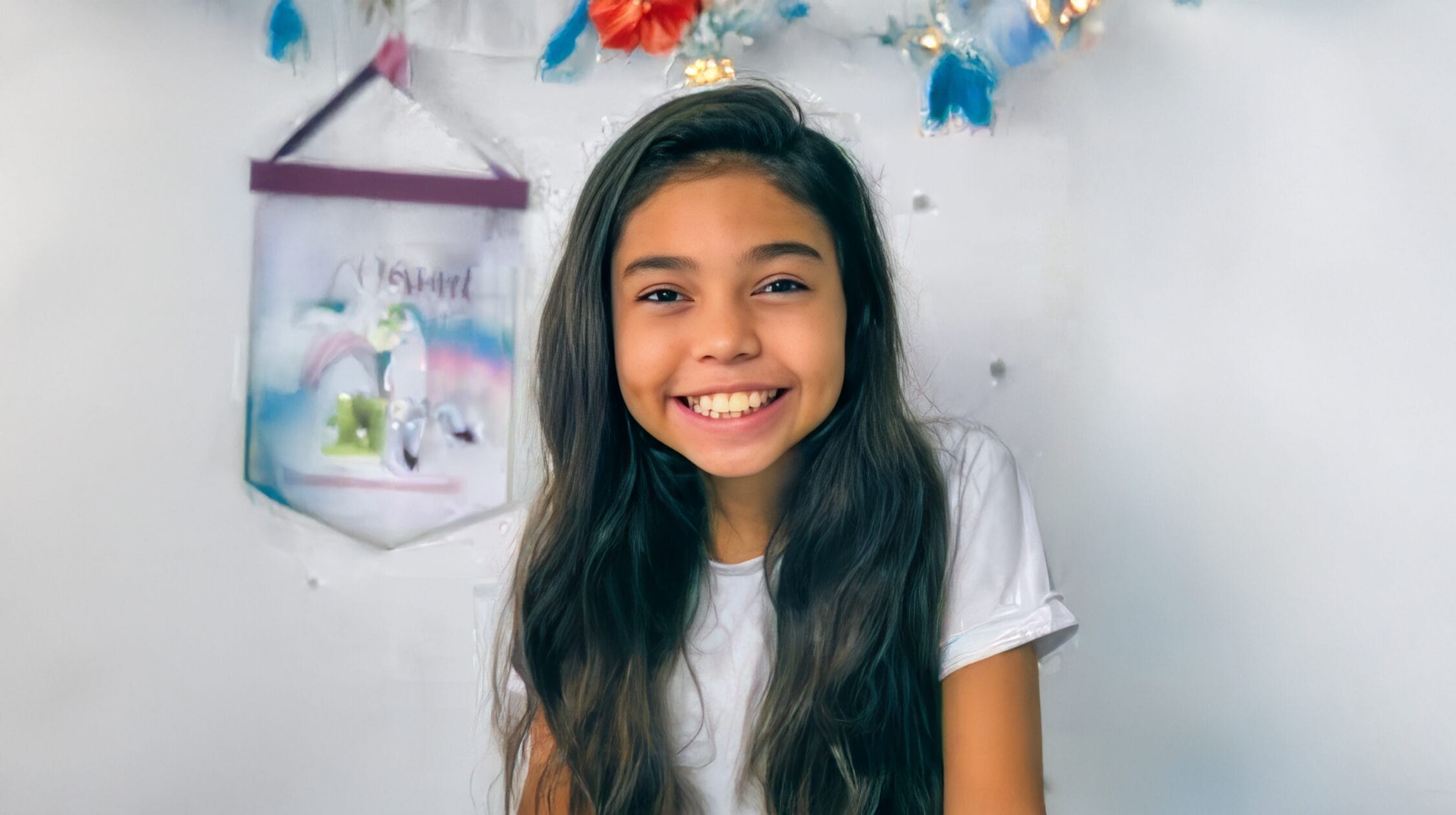
Unlike creators who enter public awareness through controversy or spectacle, Então Roberta’s visibility grew through relatability and repetition. Her content tends to revolve around everyday situations, reactions, and commentary delivered in a way that feels improvised but precise. The appeal lies in timing and recognition rather than surprise. Viewers are not watching to see what extraordinary thing will happen next, but to hear familiar experiences articulated in a voice that sounds like someone they already know. That sense of shared context is central to her popularity and explains why her content travels easily within Brazilian social networks.
As her audience expanded, Então Roberta became less a single viral moment and more a recurring presence. Her work fits into a broader ecosystem of Brazilian internet creators who operate close to daily life, drawing humor from language, gesture, and social nuance rather than scripted narrative. This positioning makes her especially relevant in conversations about how regional culture survives and adapts within global platforms that often reward homogenized trends.
Então Roberta emerged during a period when Brazilian creators were increasingly shaping their own digital lanes instead of adapting themselves to international influencer templates. Brazilian internet culture has long favored expressiveness, verbal rhythm, and humor rooted in social observation, and her work aligns with that tradition. Rather than centering aspirational lifestyles or exaggerated personas, she built recognition by leaning into the ordinary. This approach resonates in a country where social media often functions as an extension of conversation rather than performance, and where humor is frequently used as a way to process social pressure, economic uncertainty, and daily contradiction.
Her content style relies heavily on tone and delivery. Much of its effectiveness would be difficult to translate directly outside Portuguese without losing meaning, which is an important aspect of her cultural specificity. The way phrases are delivered, paused, or repeated matters as much as what is being said. This makes her a strong example of how language itself can function as content, and why some creators achieve deep local relevance even if their work does not immediately cross linguistic borders. In an era dominated by global trends, this kind of rootedness becomes a form of resistance against flattening cultural difference.
As her visibility increased, Então Roberta became part of a recognizable category of Brazilian digital figures whose influence is felt through repetition rather than reinvention. She does not rely on constant escalation or dramatic shifts in format. Instead, she refines a voice and lets audiences return to it. This consistency builds trust, which is essential for longevity in internet spaces where attention is volatile. Her audience engagement reflects familiarity rather than fandom, suggesting a relationship based on recognition instead of projection.
Culturally, her significance lies in how she demonstrates the durability of localized internet fame. While many creators attempt to broaden appeal by neutralizing accent, expression, or subject matter, Então Roberta’s work moves in the opposite direction. It becomes more effective the more closely it adheres to Brazilian social texture. This reinforces the idea that global platforms do not erase local identity by default, but instead amplify whatever creators choose to foreground. Her success supports the argument that authenticity in digital culture is not about universality, but about specificity delivered with confidence.
Her presence also highlights the shifting definition of celebrity within Brazil. Traditional media once controlled who became publicly known, but social platforms have redistributed that power toward individuals who can articulate everyday experience in compelling ways. Então Roberta’s recognition does not depend on formal credentials or institutional backing. It depends on resonance. That form of visibility may appear informal, but it is no less impactful, particularly when it shapes how audiences see themselves reflected in media.
In the context of a birthday-based cultural archive, Então Roberta represents a category of modern public figure whose relevance is inseparable from platform culture and linguistic identity. Her work helps document how humor, speech, and familiarity function as cultural currency in the digital age. Even as platforms change and trends shift, the mechanism she embodies remains stable: people return to voices that make them feel seen in the language they already live in. That is the foundation of her lasting relevance within Brazilian internet culture.