Exotic Winter Fruit & Leeks and Green Onions Month
March 1, 2026

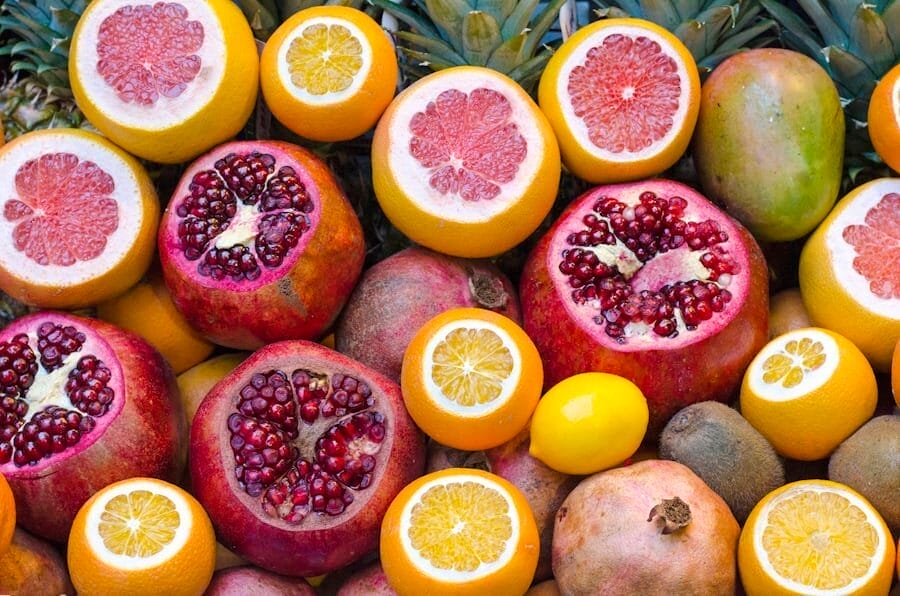
Exotic Winter Fruit & Leeks and Green Onions Month is observed in March and highlights two distinct but seasonally linked agricultural categories. The observance recognizes exotic winter fruits such as citrus, pomegranates, and persimmons alongside leeks and green onions, crops that mature in cooler climates and sustain markets during colder months. Exotic Winter Fruit & Leeks and Green Onions Month emphasizes agricultural adaptation, global trade networks, and the role of winter harvest cycles in stabilizing food systems.
The concept of exotic winter fruit emerged as global shipping and cold storage expanded in the nineteenth and twentieth centuries. Citrus fruits originating in Southeast Asia migrated westward through trade routes into the Mediterranean and later into the Americas. Oranges, lemons, and grapefruits became winter staples in temperate regions because they ripen during colder months and store well under controlled conditions.
Pomegranates and persimmons carry older agricultural histories. Pomegranates were cultivated in ancient Persia and spread through Mediterranean trade. Persimmons originated in East Asia and were introduced into North America in the nineteenth century. Both fruits depend on specific climate conditions that align with late fall and winter harvests.
Leeks and green onions represent a different agricultural story. These allium vegetables descend from wild species domesticated in the Near East. Unlike delicate summer vegetables, leeks tolerate frost and colder soil conditions, making them reliable winter crops. Their layered structure and mild sulfur compounds contribute both aroma and resilience.
Technological inflection points expanded winter produce availability. Refrigerated rail transport, maritime shipping containers, and modern cold chain logistics allowed citrus and other fruits to move globally without spoilage. Controlled atmosphere storage further extended shelf life.
Exotic Winter Fruit & Leeks and Green Onions Month reflects the integration of seasonal agriculture with global logistics systems that supply fresh produce even during colder months.
Exotic winter fruits and allium crops stabilize agricultural income during off-peak growing seasons. Citrus industries in Florida, California, Spain, and Brazil generate significant winter revenue streams. These industries rely on irrigation systems, pest management strategies, and international export agreements.
Leeks and green onions require different cultivation infrastructure. They grow in cooler climates and are often harvested manually to preserve root structure and quality. Their frost tolerance makes them valuable in temperate farming systems seeking year-round output.
Migration shaped culinary adoption. Citrus fruits became associated with winter vitality in northern climates where fresh produce was historically scarce. Leeks hold cultural significance in Welsh tradition and French cuisine, demonstrating regional identity tied to crop resilience.
Misconceptions often equate exotic fruits with rarity. In reality, many so-called exotic fruits are economically standardized commodities supported by large-scale industrial agriculture.
Economic resilience emerges from crop diversification. Farmers balancing winter fruit production with hardy vegetables can reduce seasonal income volatility.
Sensory anthropology reinforces these crops’ winter role. Citrus acidity cuts through heavy seasonal dishes, while leeks provide subtle sweetness and aromatic depth when slowly cooked.
Ancient Period: Citrus domesticated in Southeast Asia; pomegranates cultivated in Persia.
Roman Era: Expansion of Mediterranean fruit orchards.
Medieval Period: Allium crops including leeks widely cultivated in Europe.
19th Century: Refrigerated rail transport expands winter fruit distribution.
20th Century: Cold storage and container shipping globalize citrus trade.
Late 20th Century: Controlled atmosphere storage extends fruit shelf life.
21st Century: Climate change reshapes winter harvest zones and irrigation demands.
This observance remains relevant because winter agriculture increasingly depends on climate stability and water management. Drought and temperature fluctuations directly impact citrus yields.
Global trade ensures year-round availability, yet it also exposes supply chains to disruption.
Leeks and green onions continue serving as affordable winter vegetables with high culinary versatility.
The month highlights pollination needs for fruit trees and soil health management for root crops.
Modern consumers increasingly seek locally grown winter produce to reduce transportation emissions.
Exotic Winter Fruit & Leeks and Green Onions Month matters because it honors agricultural systems that sustain fresh food availability during colder seasons.

