Feeding Tube Awareness Week
February 1, 2026

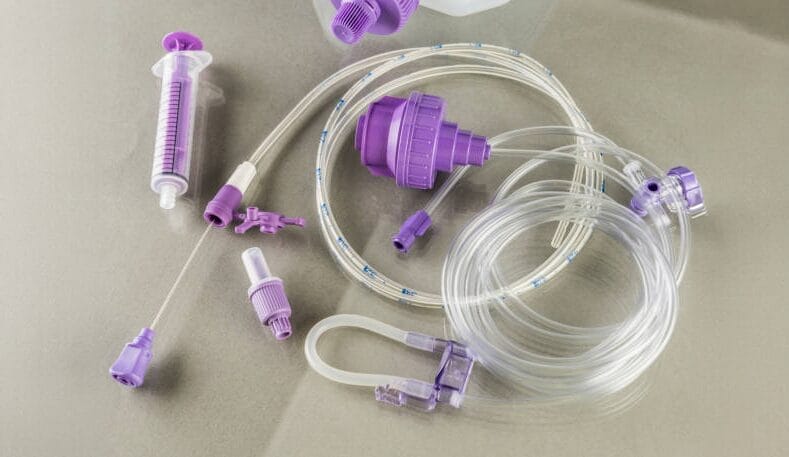
Feeding Tube Awareness Week is an annual health observance held during the first full week of February. It was established in 2011 by the Feeding Tube Awareness Foundation, a United States based nonprofit organization founded by parents of children who rely on enteral nutrition. The observance was created to centralize medically accurate information about tube feeding, document the lived experiences of patients and caregivers, and address widespread misconceptions about feeding tubes. The first official observance occurred during the first full week of February 2011. In 2026, the first full week of February runs from February 1 through February 7, which constitutes the observance period for that year.
The Feeding Tube Awareness Foundation was formed in 2011 in response to recurring reports from caregivers who described misinformation about feeding tubes within schools, community settings, and even healthcare environments. At the time of its founding, parents of tube fed children reported difficulty accessing coordinated medical supplies, securing insurance authorization, and obtaining educational accommodations. The organization was incorporated as a nonprofit entity in the United States and structured Feeding Tube Awareness Week as a recurring annual initiative within its mission.
Feeding Tube Awareness Week was not established through federal statute, executive proclamation, or international treaty. It is a nonprofit initiated observance rather than a government designated awareness period. Its recognition is therefore institutional and voluntary. Hospitals, pediatric specialty clinics, medical device manufacturers, nutrition providers, and disability organizations may formally acknowledge the week, but participation is not mandated by law.
The stated purpose of Feeding Tube Awareness Week at its inception was informational accuracy. Enteral feeding, commonly referred to as tube feeding, involves delivering nutrition directly to the gastrointestinal tract when oral intake is medically unsafe or insufficient. The foundation sought to clarify that feeding tubes are clinical interventions prescribed by licensed medical professionals and are not elective devices. The week functions as a concentrated period of educational publication rather than as a fundraising campaign.
The observance structure as the first full week of February was chosen to ensure consistency within the calendar year. A full week is defined as a Sunday through Saturday period entirely contained within February. If February 1 falls on a Sunday, the observance begins that day. If February 1 falls midweek, the observance begins on the first Sunday that allows seven consecutive days within the month. This calculation method has remained consistent since 2011.
Since its founding, Feeding Tube Awareness Week has expanded beyond the United States through informal international participation. Healthcare providers and advocacy organizations in Canada, the United Kingdom, Australia, and other countries reference the observance period. However, no intergovernmental body such as the United Nations or the World Health Organization has formally designated Feeding Tube Awareness Week as an official international observance.
Feeding Tube Awareness Week exists within the broader clinical framework of enteral nutrition practice. Feeding tubes include nasogastric tubes, gastrostomy tubes, and jejunostomy tubes, each placed for specific medical indications. Placement and maintenance protocols are guided by evidence based clinical standards, including guidelines issued by professional bodies such as the American Society for Parenteral and Enteral Nutrition. The observance does not establish medical standards but references existing ones.
Enteral nutrition is prescribed across age groups. In pediatric populations, common indications include congenital heart defects, neurological disorders, prematurity complications, cystic fibrosis, gastrointestinal malformations, and metabolic diseases. In adult populations, stroke, traumatic brain injury, advanced neurodegenerative conditions, and head and neck cancers frequently necessitate tube feeding. These prescriptions are based on medical necessity as determined by licensed clinicians.
In the United States, regulatory oversight of feeding tube devices falls under the authority of the Food and Drug Administration. Enteral feeding devices are classified as medical devices and must meet federal safety and manufacturing standards. Coverage for enteral nutrition supplies is subject to insurance policy rules. Medicare Part B may provide coverage for durable medical equipment, including certain enteral feeding supplies, when documentation of medical necessity is established. Medicaid coverage varies by state, and private insurance policies apply plan specific criteria.
Internationally, coverage and access are influenced by national healthcare systems. In countries with publicly funded healthcare, enteral feeding supplies may be incorporated into national health service benefits. In lower income regions, availability may be limited by infrastructure constraints and import regulations affecting medical equipment. Feeding Tube Awareness Week does not function as a regulatory instrument but intersects with these structural factors.
Prevalence data for long term enteral nutrition vary depending on methodology and reporting systems. In the United States, estimates suggest that several hundred thousand individuals rely on enteral feeding annually, though precise national registries are limited. Pediatric data are often aggregated within hospital discharge databases rather than centralized national surveillance systems. Variability in data reporting does not negate the clinical significance of enteral nutrition use.
Legal protections may apply to individuals who rely on feeding tubes when functional limitations are present. In the United States, individuals whose medical conditions substantially limit major life activities may qualify for accommodations under the Americans with Disabilities Act. Educational accommodations in schools may be addressed through individualized education programs under federal education law. Feeding Tube Awareness Week itself does not create legal rights but references the existing policy environment in which tube fed individuals live.
Feeding Tube Awareness Week has developed into a recurring documentation period within healthcare and patient communities. Since its establishment in 2011, the Feeding Tube Awareness Foundation has continued to coordinate educational publication during the first full week of February. The observance remains nonprofit led and community recognized rather than government mandated.
Technological developments in enteral feeding have evolved since the observance began. Low profile gastrostomy devices, improved feeding pump systems, and enhanced infection prevention protocols have altered patient management over time. Feeding Tube Awareness Week often coincides with dissemination of updated clinical resources and device information from medical professionals and manufacturers.
Public perception of feeding tubes has historically been shaped by their association with acute hospital settings or end of life care. Clinical practice demonstrates that tube feeding may be temporary, intermittent, or long term depending on diagnosis and recovery trajectory. Feeding Tube Awareness Week provides a structured period in which this distinction is clarified using medically verified explanations.
Participation in Feeding Tube Awareness Week typically includes hospitals, pediatric specialty clinics, medical supply companies, and patient organizations. Recognition may take the form of informational publications, clinical education sessions, or digital resource distribution. There is no statutory reporting requirement or governmental oversight of participation levels.
Controversies surrounding artificial nutrition in certain medical contexts, including end of life decision making, are governed by established medical ethics frameworks and court precedents. Feeding Tube Awareness Week does not establish ethical doctrine and does not function as a policy advocacy campaign. It operates within existing medical and legal standards.
More than a decade after its founding, Feeding Tube Awareness Week remains defined by three core attributes: its annual placement during the first full week of February, its establishment in 2011 by the Feeding Tube Awareness Foundation, and its nonprofit international participation model. Its continued recurrence reflects sustained institutional and community engagement rather than statutory designation.