Friday Fish Fry Day
March 20, 2026

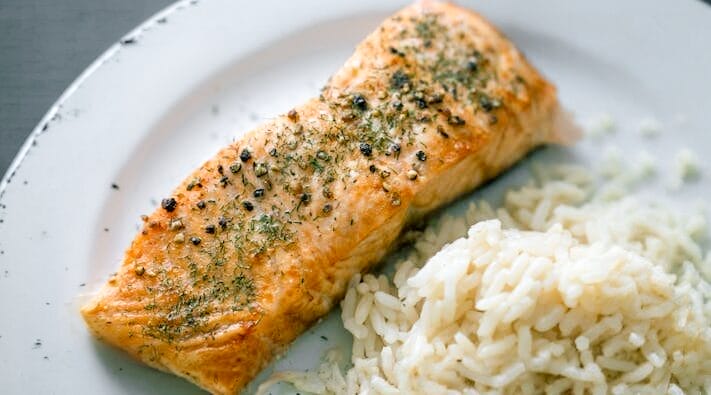
Friday Fish Fry Day celebrates a culinary tradition deeply associated with community gatherings, religious observances, and regional seafood culture. The phrase “fish fry” typically refers to battered or breaded fish that is fried and served with simple side dishes such as potatoes, coleslaw, or bread. Friday Fish Fry Day highlights how a cooking method became a social ritual in many communities.
The roots of the fish fry tradition are closely tied to Christian religious practices, particularly in communities that historically avoided meat on Fridays. Fish provided an acceptable alternative protein during periods of abstinence. As a result, fried fish meals became common in churches, community halls, and family kitchens.
The ingredient microhistory central to fish fry traditions is freshwater or coastal fish species such as cod, perch, or catfish. These fish were widely available in many regions and could be prepared quickly after harvest. The addition of batter or cornmeal coating created a crisp exterior that protected delicate fish flesh during frying.
Migration and cultural exchange played an important role in shaping fish fry traditions. European immigrants brought frying techniques and batter recipes to North America, where they adapted them to locally available fish species.
Technological inflection points influenced the popularity of fried fish. The widespread availability of cooking oils, cast iron cookware, and later deep fryers allowed cooks to produce consistent results in both home kitchens and commercial establishments.
Friday Fish Fry Day reflects the intersection of religious tradition, regional fishing economies, and the universal appeal of crisp fried foods.
Friday Fish Fry Day highlights how food traditions can strengthen community connections. In many towns, weekly fish fry events became opportunities for neighbors to gather, share meals, and support local organizations.
Sensory anthropology explains why fried fish remains appealing. The hot oil creates a crisp crust while preserving the tender interior of the fish. The contrast between crunchy coating and flaky meat contributes to the dish’s satisfying texture.
Agriculturally, fish fry traditions depend on healthy aquatic ecosystems. Freshwater lakes, rivers, and coastal fisheries supply the fish used in these meals. Sustainable fishing practices ensure that fish populations remain stable over time.
Regional comparisons highlight diverse fish fry styles. In the American Midwest, battered perch and walleye are common. In the Southern United States, catfish coated in cornmeal is a staple. British fish and chips represent another well-known fried fish tradition.
A misconception worth correcting is that fish fry events are purely commercial restaurant meals. Many fish fry traditions originated in churches and community organizations that used the events for fundraising and fellowship.
Economic resilience appears in fish fry meals because they can be scaled easily for large groups while using relatively affordable ingredients.
Medieval period: Religious fasting traditions encourage fish consumption on certain days.
18th and 19th centuries: European frying techniques spread through migration to North America.
Early 20th century: Community fish fry events become popular in churches and local organizations.
Mid 20th century: Restaurants and diners begin offering regular fish fry meals.
Late 20th century: Regional fish fry traditions become cultural landmarks in many towns.
21st century: Community fish fry events continue as social gatherings and fundraising traditions.
Present day: Fried fish meals remain widely enjoyed in both restaurants and community settings.
Friday Fish Fry Day matters because it celebrates a meal that brings people together through shared culinary tradition. The dish’s simplicity allows it to be prepared in homes, restaurants, and community gatherings alike.
Modern seafood supply chains ensure consistent access to fish, though environmental and sustainability concerns continue to influence fishing practices.
Sensory anthropology reinforces the universal appeal of fried foods, particularly the combination of crisp texture and delicate fish flavor.
Misconceptions about fish fry meals being limited to specific regions overlook their global variations and cultural significance.
Economic resilience remains strong because fish fry meals can be prepared efficiently for both small families and large community events.
Friday Fish Fry Day matters because it honors the intersection of tradition, community, and culinary technique.
