German American Heritage Month
October 1, 2026

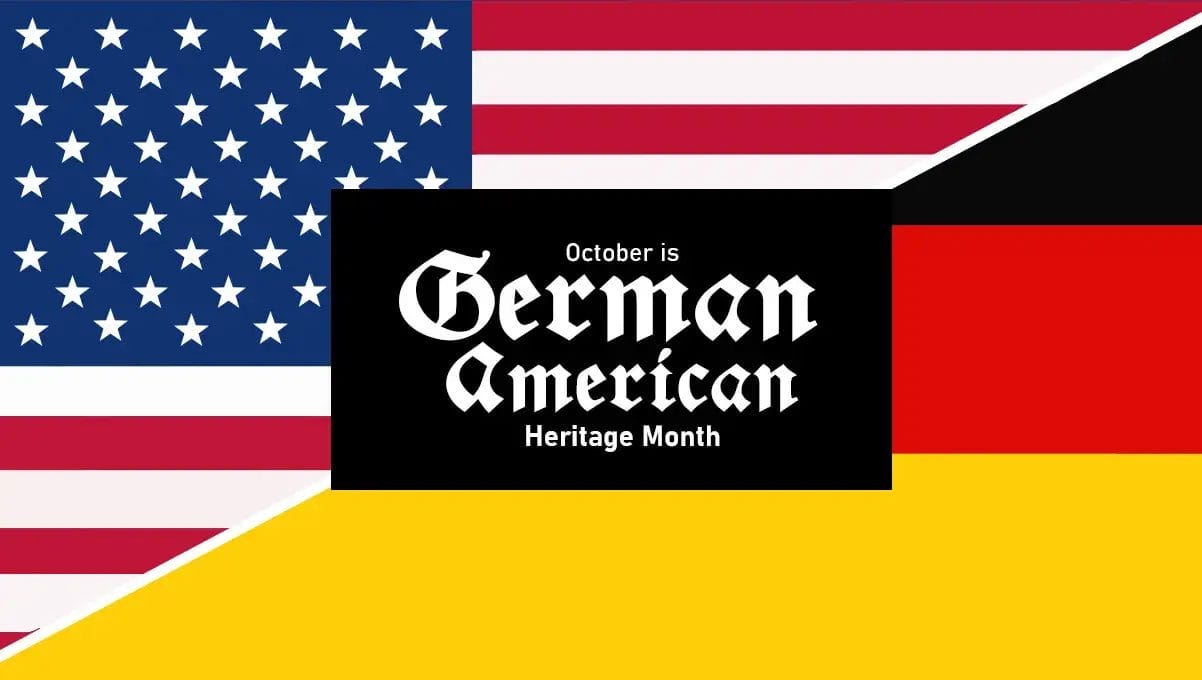
German American Heritage Month, often observed in October, celebrates a lineage that predates the founding of the United States. On October 6, 1683, thirteen German families from Krefeld arrived at William Penn’s colony in Pennsylvania aboard the ship Concord. They established Germantown and laid the groundwork for future waves of German immigration. Over the next three centuries, Germans became one of the largest immigrant groups in America. They brought with them brewing traditions, Christmas trees and St. Nicholas customs; they founded kindergartens and introduced gymnastics clubs (Turnvereine). Their influence can still be seen in the many towns with names like Heidelberg and New Braunfels, and in food staples such as sauerkraut and pretzels.
The observance of German heritage gained national recognition in the late 19th century. Communities celebrated the 200th anniversary of Germantown in 1883 as German Day, organizing parades and concerts. During World War I, anti-German sentiment led to the suppression of the language and culture. German street names were changed, and sauerkraut was rebranded as ‘liberty cabbage.’ After the war, interest in celebrating German heritage waned. It resurfaced in 1983 when President Ronald Reagan proclaimed October 6 German-American Day to mark the tricentennial of the first German settlers and to acknowledge the contributions of Germans in fields ranging from architecture to music. In 1987 Congress passed a resolution designating October 6, 1987, as German-American Day and authorized the president to issue annual proclamations. Many communities extended these celebrations throughout October, transforming the day into a month-long German American Heritage Month.
Across the country, the month is filled with polka music, dirndls and lederhosen, and the smell of bratwurst sizzling on grills. Milwaukee hosts German Fest with folk dancers and steins of beer. In Fredericksburg, Texas, Wurstfest offers sausage-eating contests and alpine horns. Schoolchildren bake pretzels and study stories of German immigrants, like the Amana Colonies of Iowa or the craftsmen of Bethlehem, Pennsylvania. Museums highlight the work of German American architects such as Walter Gropius and Ludwig Mies van der Rohe, while orchards celebrate the contributions of German farmers who cultivated apples in the Midwest.
German American Heritage Month also encourages reflection on the complexities of assimilation and identity. Many families anglicized their names or hid their heritage during wartime. Present-day descendants reclaim German language classes and genealogical research to reconnect with ancestors. The month’s festivities—paired with Oktoberfest celebrations and the crisp scent of fall—are reminders that cultures can endure even after facing suppression and prejudice. Sharing a plate of sauerbraten or raising a stein isn’t just about nostalgia; it’s a celebration of resilience and the rich threads Germans have woven into America’s cultural tapestry.