Greta Thunberg’s Birthday
January 3, 2030

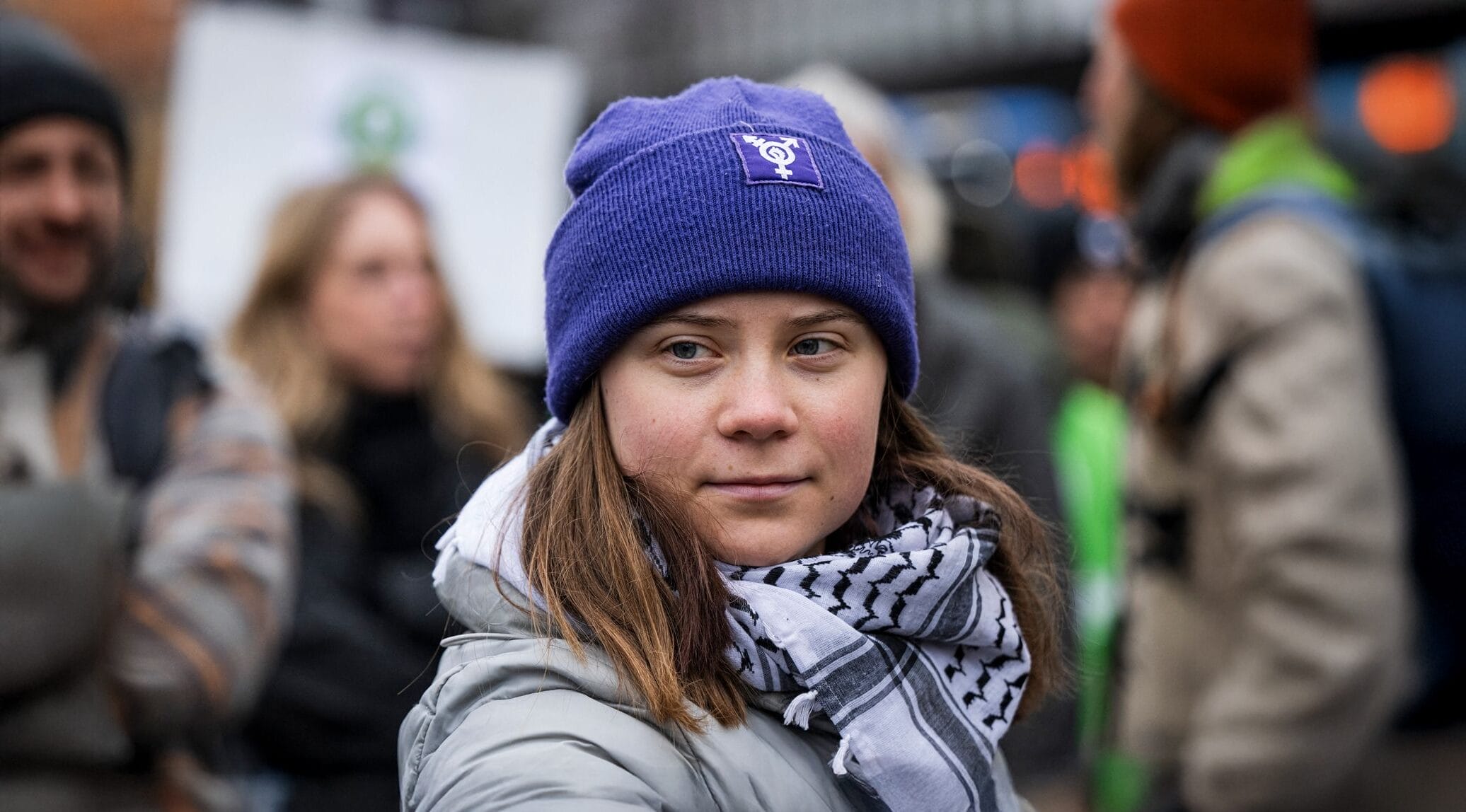
Greta Thunberg is a Swedish environmental activist whose emergence transformed youth climate advocacy into a central global conversation. She became internationally recognized for her direct, uncompromising communication style and her insistence on grounding climate discourse in scientific consensus rather than political convenience. Unlike traditional public figures, Thunberg’s influence developed not through institutional authority but through moral clarity and persistence.
Her public identity is defined less by personality performance and more by message discipline. Thunberg’s speeches and actions emphasize urgency, accountability, and intergenerational responsibility, positioning her as a catalyst rather than a symbolic figurehead.
Within contemporary activism, she represents a shift toward youth-led movements that bypass conventional power structures and address global audiences directly.
Greta Thunberg was born in Stockholm, Sweden, and raised in a cultural environment that values social responsibility and civic engagement. Her early life included challenges related to mental health, which she has openly discussed as shaping how she processes information and communicates urgency. These experiences contributed to a worldview centered on clarity, structure, and ethical consistency.
Her rise began with solitary school strikes for climate action, a simple but symbolic act that gained traction through digital sharing and media amplification. What distinguished her activism was not novelty but repetition and focus. She returned weekly, reinforcing the message that climate action required sustained attention rather than episodic concern.
As her platform expanded, Thunberg addressed international bodies, political leaders, and global audiences, often critiquing performative environmentalism. Her refusal to soften language or prioritize likability challenged norms around how young activists are expected to speak, particularly young women.
Culturally, Thunberg’s significance lies in how she reframed climate change as a moral issue rather than a distant technical problem. She helped collapse the gap between scientific abstraction and lived consequence, insisting that future impact is already present reality.
Her continued relevance reflects the persistence of the climate crisis itself. Thunberg remains a reference point in environmental discourse because she represents accountability without compromise, a stance that continues to influence activism across generations.