Hanukkah
December 14, 2025

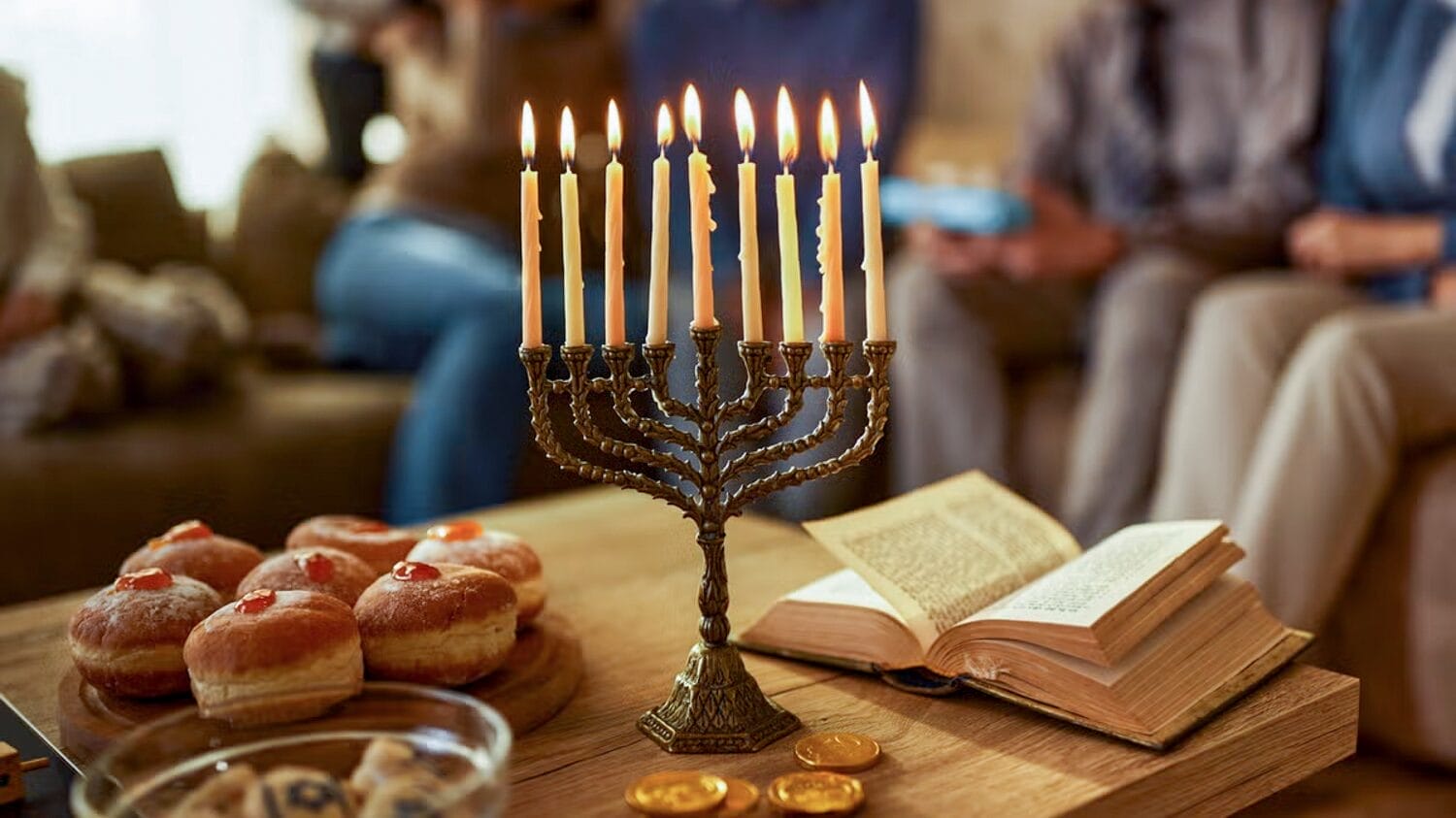
Hanukkah returns each year as a warm, flickering beacon against the deepening nights of winter. Its story reaches back to the second century BCE, when the Seleucid ruler Antiochus IV Epiphanes outlawed Jewish practice and desecrated the Second Temple in Jerusalem. In response, a small group of Jewish rebels — led by Judah Maccabee and his brothers — launched a guerrilla revolt. Against overwhelming odds, they reclaimed Jerusalem and rededicated the Temple. According to tradition, when the Maccabees sought to rekindle the Temple’s menorah, they found only a single cruse of ritually pure oil, enough for just one day. Miraculously, the flame burned for eight days, long enough to prepare new oil. Hanukkah — meaning “dedication” — commemorates both this military victory and the enduring miracle of the light.
The holiday begins on the 25th of the Hebrew month of Kislev, usually in December, and lasts for eight nights. Families light a nine-branched hanukkiah, adding one candle each evening and using the central shamash (helper candle) to kindle the others. The growing glow symbolizes perseverance, hope, and the belief that even a small light can dispel great darkness. Children spin dreidels, tops engraved with Hebrew letters forming the acronym for “A great miracle happened there” — or, in Israel, “here.” Foods fried in oil, such as crispy latkes and pillowy sufganiyot, honor the miracle of the oil through taste and aroma.
Though Hanukkah’s core narrative is ancient, its customs have evolved across centuries and cultures. Medieval Jewish communities recited special hymns and read from the books of the Maccabees. In Eastern Europe, children received small gifts or gelt (coins). In the United States, where Hanukkah falls near Christmas, families developed new traditions: exchanging nightly presents, decorating with blue and white ornaments, and hosting lively gatherings. The holiday has also been a powerful statement of identity and resilience. During the Holocaust, Jews lit candles secretly in ghettos and camps as acts of spiritual defiance. Under Soviet repression, clandestine menorah lightings represented quiet but profound courage.
Today, Hanukkah shines brightly in public and private spaces alike. Cities such as New York and San Francisco host large menorah lightings in public squares; in Jerusalem, massive menorahs illuminate the Western Wall plaza. Jewish organizations hold concerts, charity drives, and latke cook-offs. Schools teach children Hebrew songs like “Maoz Tzur” and “Hanukkah, Oh Hanukkah.” At home, families gather near the kitchen table, the scent of frying oil filling the air, to retell the story of the Maccabees and reflect on the holiday’s enduring themes.
Hanukkah does not promise miracles in every era — but it does promise memory, identity, and hope. It reminds us that even in moments of darkness, courage can ignite lasting light. As candles burn down to glowing embers and wax pools at the base of the hanukkiah, the message persists: a small flame can warm a home, unite a community, and inspire future generations to stand up for their beliefs, no matter the obstacles.