Happy Mew Year for Cats Day
January 2, 2027

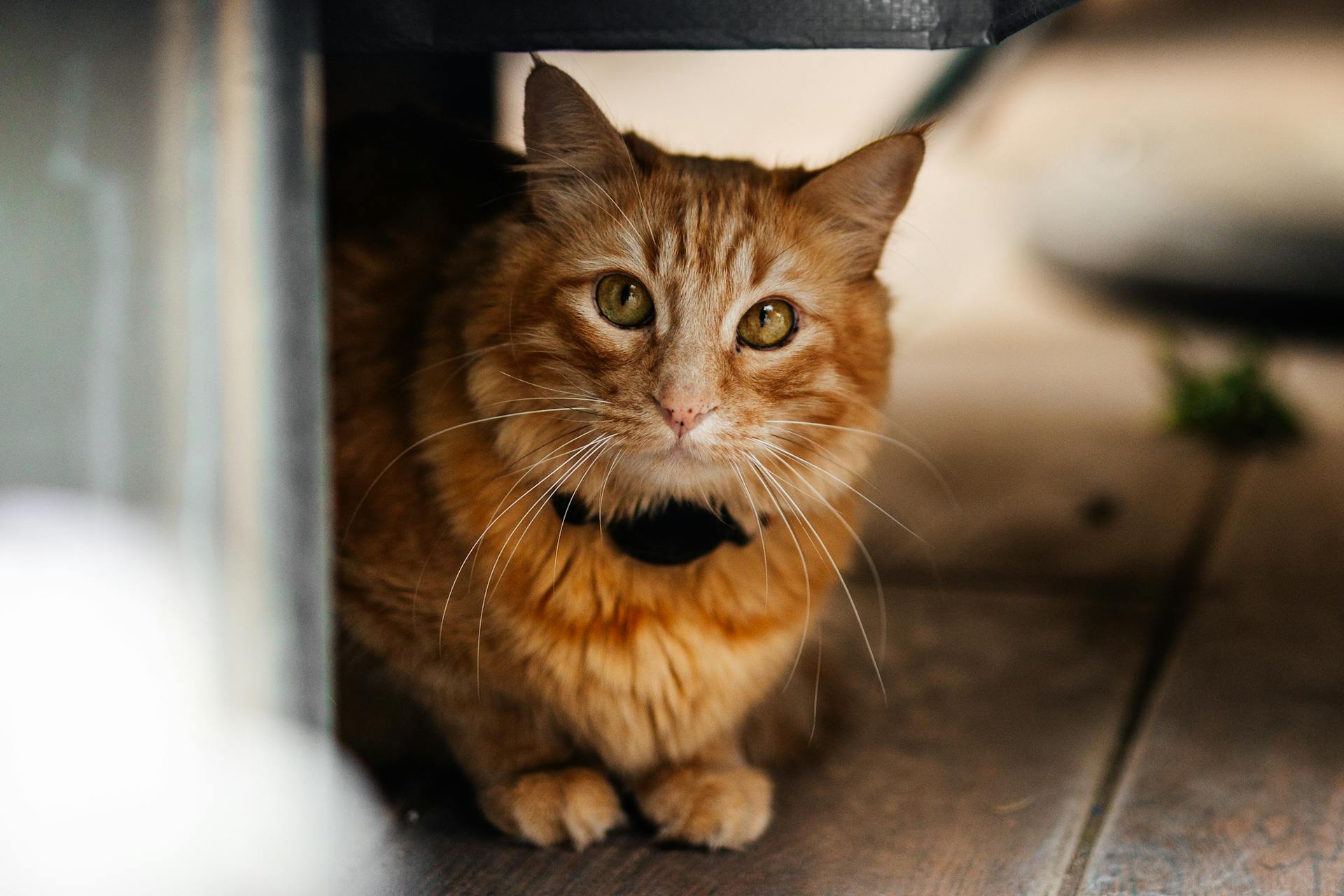
Happy Mew Year for Cats Day is observed annually on January 2 and is a modern, intentionally whimsical observance created by Thomas and Ruth Roy of Wellcat Holidays. The Roys are known for designing lighthearted calendar days that center animals, kindness, and humor rather than historical ritual. Unlike traditional holidays rooted in religion, agriculture, or political events, Happy Mew Year for Cats Day was openly conceived as a playful extension of the human New Year, offering cats symbolic recognition as the calendar turns.
While the holiday itself has no ancient lineage, its thematic foundation rests on one of the oldest and most unusual relationships between humans and animals. Cats began living alongside humans approximately ten thousand years ago, coinciding with the rise of permanent agricultural settlements in the Near East. Grain storage attracted rodents, and wildcats were drawn to these food sources. Over time, cats that tolerated human proximity gained a survival advantage, leading to a slow, mutual adaptation rather than deliberate domestication.
Archaeological discoveries support this gradual integration. A well-known burial on the island of Cyprus dating back more than nine thousand years shows a human interred alongside a cat, indicating emotional or symbolic significance beyond utility. In ancient Egypt, cats were elevated to an extraordinary status, associated with protection, fertility, and domestic harmony. Killing a cat, even accidentally, carried severe punishment, underscoring their cultural importance. From Egypt, cats spread throughout the Mediterranean via trade and naval travel, becoming indispensable aboard ships and eventually common in European towns and farms.
By the nineteenth century, cats had firmly entered domestic life in Europe and North America, shifting from working animals to companions. This long arc of coexistence forms the historical backdrop against which a modern observance like Happy Mew Year for Cats Day makes sense. Although newly invented, the holiday draws meaning from thousands of years of shared human and feline history.
The cultural significance of Happy Mew Year for Cats Day lies not in tradition but in what it reflects about contemporary relationships with animals. In modern societies, cats are increasingly viewed as family members rather than property. This shift is evident in changes to veterinary care, housing policies, and social attitudes toward animal welfare. A holiday that symbolically grants cats their own New Year mirrors the broader tendency to humanize pets and acknowledge their emotional presence in households.
Cats occupy a unique cultural position compared to other companion animals. Their independence, subtle communication, and selective affection have shaped centuries of storytelling, art, and superstition. From revered protectors in ancient civilizations to misunderstood figures in medieval folklore, cats have consistently carried symbolic weight. In the digital age, cats have become cultural icons through photography, video, and online communities, further reinforcing their visibility and influence.
Happy Mew Year for Cats Day also intersects with ongoing social concerns about animal welfare. Millions of cats worldwide live in shelters or as strays, often due to human circumstances such as housing instability, economic hardship, or lack of access to spay and neuter services. While the holiday does not explicitly campaign for reform, it provides a cultural moment that can prompt reflection on adoption, responsible ownership, and long-term commitment.
By framing appreciation as celebration rather than instruction, the holiday avoids moralizing while still encouraging empathy. It creates space for light engagement that can lead to deeper awareness, allowing people to connect affection with responsibility rather than treating them as separate concepts.
The relevance of Happy Mew Year for Cats Day in the present lies in its timing and symbolism. Positioned immediately after the human New Year, it functions as a moment of reflection for cat owners, aligning feline care with the broader cultural impulse toward renewal and intention-setting. This temporal placement encourages owners to reassess routines related to health, enrichment, safety, and environment.
In practical terms, the holiday can prompt actions such as scheduling veterinary visits, evaluating nutrition, improving living spaces, or addressing behavioral needs. More broadly, it reinforces the idea that companionship involves ongoing attention rather than passive affection. Cats may be independent, but their well-being depends heavily on human choices regarding housing, stimulation, and medical care.
On a societal level, Happy Mew Year for Cats Day reflects how modern culture constructs meaning through intentionally created rituals. Not all observances require ancient roots to be meaningful. Some exist to reinforce values, create moments of shared recognition, or reframe everyday relationships. This holiday succeeds in that role by using humor to highlight responsibility and by transforming an ordinary calendar date into an opportunity for mindful care.
Ultimately, the holiday matters because it affirms the enduring human-cat relationship while acknowledging that stewardship evolves alongside culture. It recognizes cats not as novelties or trends, but as long-standing companions whose presence continues to shape domestic life.