Hispanic Heritage Month
September 15, 2025

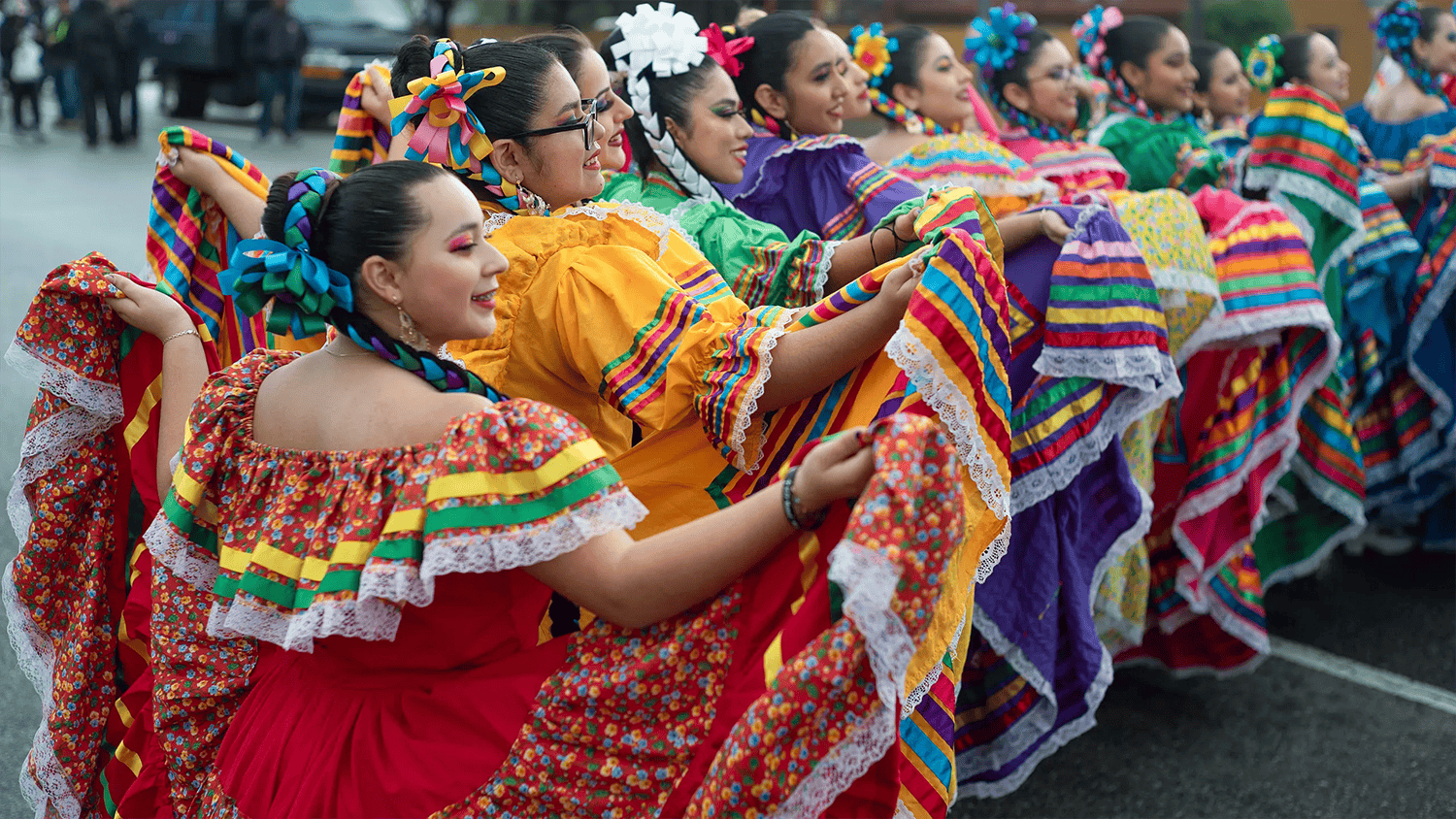
Hispanic Heritage Month unfolds across two months—beginning on September 15 and ending on October 15—reflecting the complex tapestry of Latin American independence and culture. The starting date, September 15, honors the anniversaries of independence for Costa Rica, El Salvador, Guatemala, Honduras, and Nicaragua; Mexico’s independence follows on September 16, and Chile’s on September 18. Traditionally, these days are filled with parades, dances, fireworks, and cries of “¡Viva!” echoing through plazas. In the United States, the holiday links these milestones abroad to the rich and ongoing story of Hispanic communities at home.
The path to Hispanic Heritage Month began during the civil rights era. In 1968, California Congressman George E. Brown introduced legislation to establish National Hispanic Heritage Week, and President Lyndon B. Johnson signed it into law. For two decades, presidents issued annual proclamations highlighting the contributions of Hispanic Americans to the nation’s culture, economy, and politics. By the 1980s, advocates pushed for more time, recognizing that a single week could not reflect the diversity of communities from Mexico, Puerto Rico, Cuba, the Dominican Republic, and Central and South America. In 1987 Representative Esteban Torres proposed expanding the observance to a month, emphasizing the need for schools and organizations to have enough time to celebrate. The following year, Senator Paul Simon introduced a similar bill, and on August 17, 1988, President Ronald Reagan signed it into law. The first official proclamation for Hispanic Heritage Month was issued the next year by President George H.W. Bush.
Throughout Hispanic Heritage Month, cities across the United States come alive with music, food, and art. In Washington, D.C., Smithsonian museums host dance workshops and showcase Mayan textiles and Puerto Rican bomba drums. In Chicago, colorful murals of Selena and Frida Kahlo appear in neighborhoods. Libraries across the country hold bilingual storytimes and poetry readings by authors such as Gloria Anzaldúa and Sandra Cisneros. Schools introduce students to leaders like labor organizer César Chávez, baseball legend Roberto Clemente, and Supreme Court Justice Sonia Sotomayor. Meanwhile, kitchens and restaurants fill the air with the scent of roasting chiles, simmering pozole, and caramel-sweet flan.
National Hispanic Heritage Month is not only about celebration—it is also a moment of reflection. It highlights issues of immigration, equity in education, political representation, and cultural recognition. The observance acknowledges the rich traditions of Indigenous peoples and Afro-Latinos, voices that can sometimes be overshadowed in broader narratives. At its best, the month deepens understanding and sparks dialogue about the complexities of identity within the Hispanic and Latino communities in the United States.
When Hispanic Heritage Month concludes on October 15, parades and festivals give way to quieter forms of remembrance: family photo albums pulled from shelves, lullabies sung in Spanish, guayabera shirts ironed for upcoming quinceañeras. The celebration underscores that Hispanic heritage is inseparable from American identity, shaping its language, cuisine, art, music, and values. By honoring both historic milestones and present-day contributions, Hispanic Heritage Month reminds us that heritage is not static—it is a living force that continues to transform and enrich the fabric of the nation.