International Choreographers Day
January 9, 2028

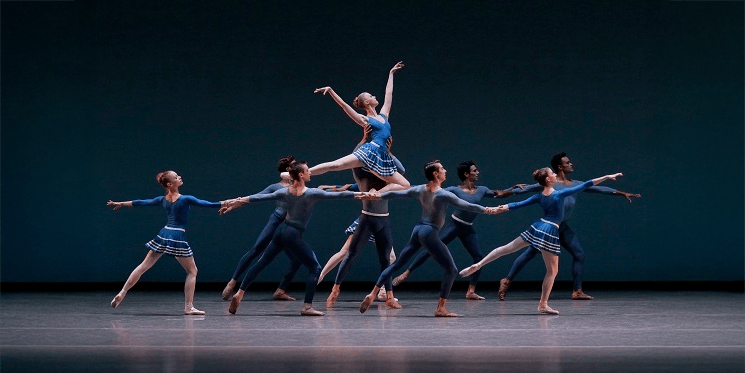
International Choreographers Day is observed annually on January 9 and recognizes the role of choreographers in shaping dance as an art form, cultural expression, and professional discipline. The observance developed through dance communities and cultural institutions rather than formal governmental declaration.
Choreography, as a defined practice, emerged alongside the formalization of dance in courts, theaters, and ritual settings. While humans have always moved rhythmically, choreography introduced intentional structure, notation, and authorship to movement. Early choreographers worked within court ballets, religious ceremonies, and folk traditions, codifying motion into repeatable forms.
During the nineteenth and twentieth centuries, choreography expanded beyond classical ballet into modern, contemporary, and experimental dance. Choreographers increasingly became recognized as creative authors, shaping not only movement but meaning, narrative, and social commentary.
International Choreographers Day acknowledges this evolution, highlighting choreography as both artistic creation and intellectual labor.
Choreography functions as a language of the body. It communicates emotion, identity, and cultural memory without relying on spoken words. Across cultures, choreographed movement has marked celebrations, rituals, protests, and storytelling.
The choreographer’s role is often invisible to audiences, even though choreography determines how dancers interact with space, music, and each other. National and international stages reflect the choreographer’s vision long after individual performances conclude.
International Choreographers Day also recognizes the collaborative nature of dance creation. Choreographers work with dancers, composers, designers, and cultural traditions, balancing structure with interpretation.
The observance affirms choreography as a foundational creative force rather than a supporting element.
International Choreographers Day remains relevant as dance continues to evolve across media, including film, digital platforms, and global performance spaces. Choreography now reaches audiences far beyond traditional theaters.
The observance encourages recognition of creative labor in movement-based art, particularly in industries where visibility often favors performers over creators.
It also supports cultural preservation, as choreography carries lineage and technique across generations.
International Choreographers Day matters because movement shapes culture, and choreographers shape movement.