International Irish Whiskey
March 3, 2031

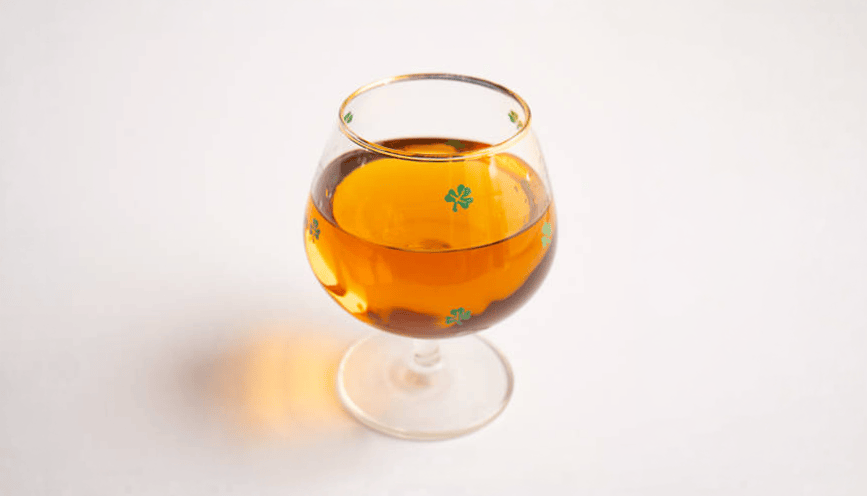
International Irish Whiskey Day is observed annually on March 3 and celebrates Irish whiskey as a spirit shaped by monastic learning, agricultural cycles, taxation, global trade, and modern revival. International Irish Whiskey Day highlights a category that has moved through periods of dominance, collapse, and resurgence, all while maintaining a distinct identity within the broader world of distilled spirits.
The roots of Irish whiskey are tied to the arrival of distillation knowledge in Ireland, often associated with medieval monastic contexts and the transfer of techniques across Europe. While exact origins are difficult to pin down with certainty, historical records indicate that distillation became established in Ireland centuries ago, and the spirit became an important economic product as grain agriculture expanded.
The ingredient microhistory central to Irish whiskey is barley. Barley thrives in Ireland’s cool, wet climate and became a key grain for both brewing and distillation. The use of malted and unmalted barley, often combined in Irish pot still traditions, created distinctive flavor and texture profiles that differ from many other whiskey traditions.
Migration and trade shaped Irish whiskey’s global footprint. Irish communities abroad carried cultural memory of the spirit, while export markets helped define brand identity. Irish whiskey once held major international market share, especially in the nineteenth century, before industry decline caused by political upheaval, trade conflicts, and competition.
Technological inflection points shaped production. The evolution of pot still distillation, the introduction of column stills in broader spirits production, and the development of consistent aging and blending practices all influenced how Irish whiskey could be scaled and standardized. Aging in wooden barrels, itself a technology of time and storage, transformed raw spirit into a more complex product with caramel and spice notes.
International Irish Whiskey Day reflects the spirit’s long arc: agricultural origin, industrial pressures, near-collapse, and modern revival that reintroduced Irish whiskey to global cocktail and sipping culture.
International Irish Whiskey Day highlights Irish whiskey as both cultural symbol and economic export. In Irish identity, whiskey has been tied to hospitality, celebration, and social gathering. The spirit functions as a cultural marker in the way wine functions for some regions, linking place, tradition, and production methods.
Agriculture remains foundational. Barley supply determines production capacity and influences flavor through malting and mash composition. Water quality and availability also matter, not as mysticism, but as practical brewing chemistry. Climate affects aging because temperature swings influence how spirit interacts with barrel wood.
Economically, Irish whiskey demonstrates how spirits industries depend on long timelines. Aging requires inventory held for years, tying up capital. That economic structure favors stability, forecasting, and access to markets that can sustain premium pricing. It also makes the industry vulnerable to shocks, because disruptions can take years to recover from.
Regional comparisons clarify identity. Scotch whisky often emphasizes malted barley and specific peat influences in some regions, with strict regulatory definitions. American bourbon emphasizes corn and new charred oak barrels. Irish whiskey often emphasizes triple distillation in many traditions and a smoother profile, with notable pot still styles that include unmalted barley. These are broad patterns, but they explain why consumers experience Irish whiskey as distinct.
Misconceptions frequently flatten Irish whiskey into a single style. In reality, Irish whiskey includes blends, single malts, single grain, and single pot still expressions. Another misconception is that smoothness equals lack of complexity. Smoothness can be an intentional design outcome driven by distillation choices, blending, and aging strategy, not absence of character.
Economic resilience is a core part of the Irish whiskey story. The category declined sharply during the twentieth century, but revival was achieved through investment, export strategy, and renewed interest in heritage styles. International Irish Whiskey Day recognizes that spirits can be cultural artifacts that survive market collapse and return through deliberate rebuilding.
Medieval period: Distillation knowledge becomes established in Ireland through broader European technique transfer.
17th to 18th centuries: Whiskey production expands alongside grain agriculture and evolving taxation systems.
19th century: Irish whiskey becomes a major global export and holds strong market presence internationally.
Early to mid 20th century: Political and trade disruptions, industry consolidation, and competition contribute to significant decline.
Late 20th century: Surviving producers maintain continuity while export strategies begin to re-expand demand.
21st century: Distillery growth and renewed interest in single pot still and premium categories fuel a major revival.
Present day: Irish whiskey continues expanding globally in both cocktail culture and premium sipping markets.
International Irish Whiskey Day matters today because it highlights a spirits tradition that connects agriculture, time, and identity. Irish whiskey is a product that cannot be rushed without changing its nature. Aging and blending are forms of long-term planning that contrast with many fast consumer goods.
Sensory anthropology explains its appeal. Irish whiskey often presents a rounded texture, with grain sweetness, orchard fruit notes, and gentle spice shaped by barrel influence. These sensory cues are linked to distillation choices and the cultural preference for approachability without sacrificing depth.
Modern cocktail culture keeps Irish whiskey relevant. Classic and contemporary drinks use its profile as a base that can integrate with citrus, bitters, coffee, and herbal components. This versatility supports both casual consumption and connoisseur interest.
Misconceptions that Irish whiskey is interchangeable with other whiskey styles overlook production differences and historical context. International Irish Whiskey Day provides a moment to recognize category diversity and the reasons specific styles exist.
Economic resilience remains central. The modern revival demonstrates how cultural products can re-enter global markets through investment, storytelling, and genuine production expansion. The industry’s dependence on long aging cycles means today’s growth reflects decisions made years earlier.
International Irish Whiskey Day matters because it honors a spirit that has survived historical shocks and returned as a global category, carrying Irish agricultural roots and distillation heritage into contemporary drinking culture.

