International Polar Bear Day
February 27, 2027

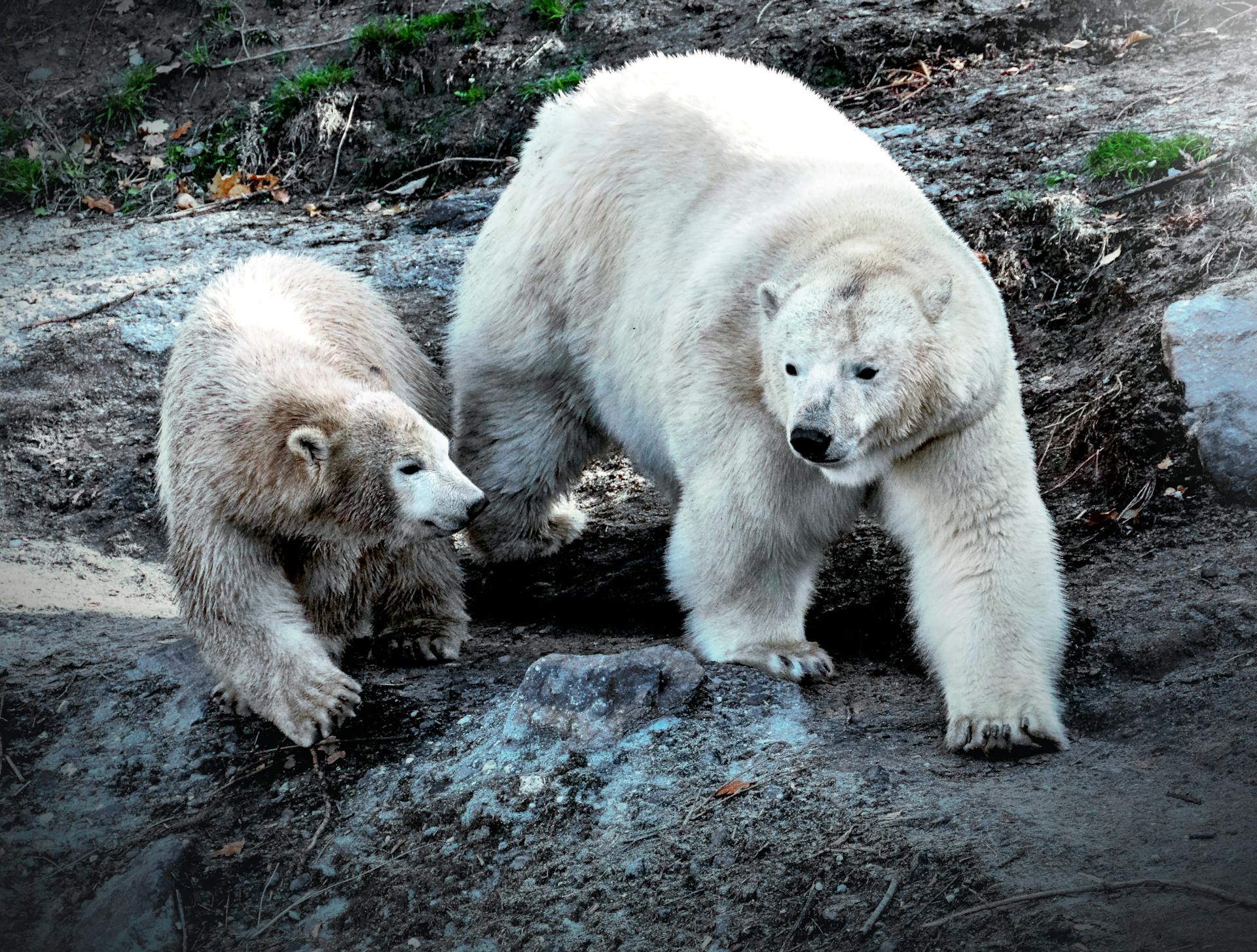
International Polar Bear Day is observed annually on February 27. The observance was established by Polar Bears International, a nonprofit conservation organization founded in 1992 and headquartered in the United States. The organization introduced the observance in the mid 2000s, with 2008 widely cited as the first formal International Polar Bear Day. The date is fixed on February 27 each year. In 2026, International Polar Bear Day occurs on February 27, 2026.
The founding organization, Polar Bears International, created the observance to coincide with a biologically significant period in the polar bear life cycle. Late February is the time when many polar bear mothers and cubs remain in maternal dens in Arctic regions. The date selection was therefore tied to species specific ecology rather than to a historical political event.
The geographic scope of International Polar Bear Day is international in participation. While the founding organization is U.S. based, polar bears inhabit Arctic regions spanning Canada, Greenland, Norway, Russia, and the United States. Recognition activities may occur in multiple countries, particularly those with Arctic territory or with research institutions focused on polar ecosystems.
International Polar Bear Day is not established by United Nations resolution or by intergovernmental treaty proclamation. It is a nonprofit initiated international awareness observance. Recognition depends on voluntary participation by conservation organizations, research institutions, zoos, and educational entities.
The purpose of the observance is educational and conservation focused. Public communications frequently address polar bear habitat, sea ice conditions, and Arctic ecosystem dynamics. The observance does not create regulatory authority but aligns with existing conservation policy discussions.
International Polar Bear Day is therefore defined by its February 27 fixed date, its establishment by Polar Bears International around 2008, and its international ecological scope tied to Arctic species conservation rather than to statutory designation.
Polar bear conservation operates within a framework of international and national law. The 1973 Agreement on the Conservation of Polar Bears, signed by Canada, Denmark, Norway, the Soviet Union, and the United States, provides a multilateral treaty basis for managing polar bear populations and habitats. The agreement addresses conservation, habitat protection, and research cooperation.
National legislation also governs polar bear protection. In the United States, the polar bear is listed as a threatened species under the Endangered Species Act. In Canada, polar bears are managed under federal and territorial wildlife laws. Norway and Russia maintain their own conservation statutes covering Arctic wildlife. International Polar Bear Day references these frameworks but does not modify them.
Climate policy is frequently discussed in relation to polar bear conservation because sea ice habitat is influenced by global temperature trends. International climate agreements, including the Paris Agreement under the United Nations Framework Convention on Climate Change, form part of the broader environmental policy landscape. The observance does not establish climate obligations but is often cited within environmental communication.
Scientific monitoring of polar bear populations involves satellite tracking, field surveys, and ecological modeling. Population estimates vary by subpopulation and by data collection methodology. Variability and uncertainty are inherent in Arctic wildlife research, and authoritative descriptions acknowledge these methodological limits rather than presenting a single global number as fixed.
Indigenous communities in Arctic regions participate in wildlife management decisions and subsistence harvest practices under national regulatory systems. Co management arrangements exist in several jurisdictions. International Polar Bear Day does not override these systems but operates within the same policy environment.
The observance therefore exists alongside treaty obligations, national wildlife law, and climate policy discussions. It functions as an educational reference date within established conservation governance structures.
Contemporary recognition includes educational programming by conservation organizations, research briefings, and public information campaigns about Arctic ecosystems. Participation may involve zoos, aquariums, universities, and environmental nonprofits.
Annual messaging often focuses on habitat conditions during late winter, reflecting the denning period for mother polar bears and cubs. This ecological timing reinforces the rationale for the February 27 date selection.
Scientific communication during the observance may address trends in sea ice extent, shifts in prey availability, and subpopulation assessments. Because Arctic conditions vary by region and year, authoritative presentations typically reference peer reviewed research and government monitoring data.
Public discussion can become politically sensitive when linked to climate policy debates. A neutral documentation approach describes the ecological context and the relevant legal frameworks without endorsing specific policy prescriptions.
International participation levels vary by year and by regional focus. Arctic nations may emphasize research and conservation data, while non Arctic countries may focus on educational awareness.
International Polar Bear Day continues annually on February 27 as a nonprofit initiated international observance established by Polar Bears International, grounded in Arctic ecological timing and situated within existing wildlife and climate policy frameworks.

