International Stout Day
November 6, 2029

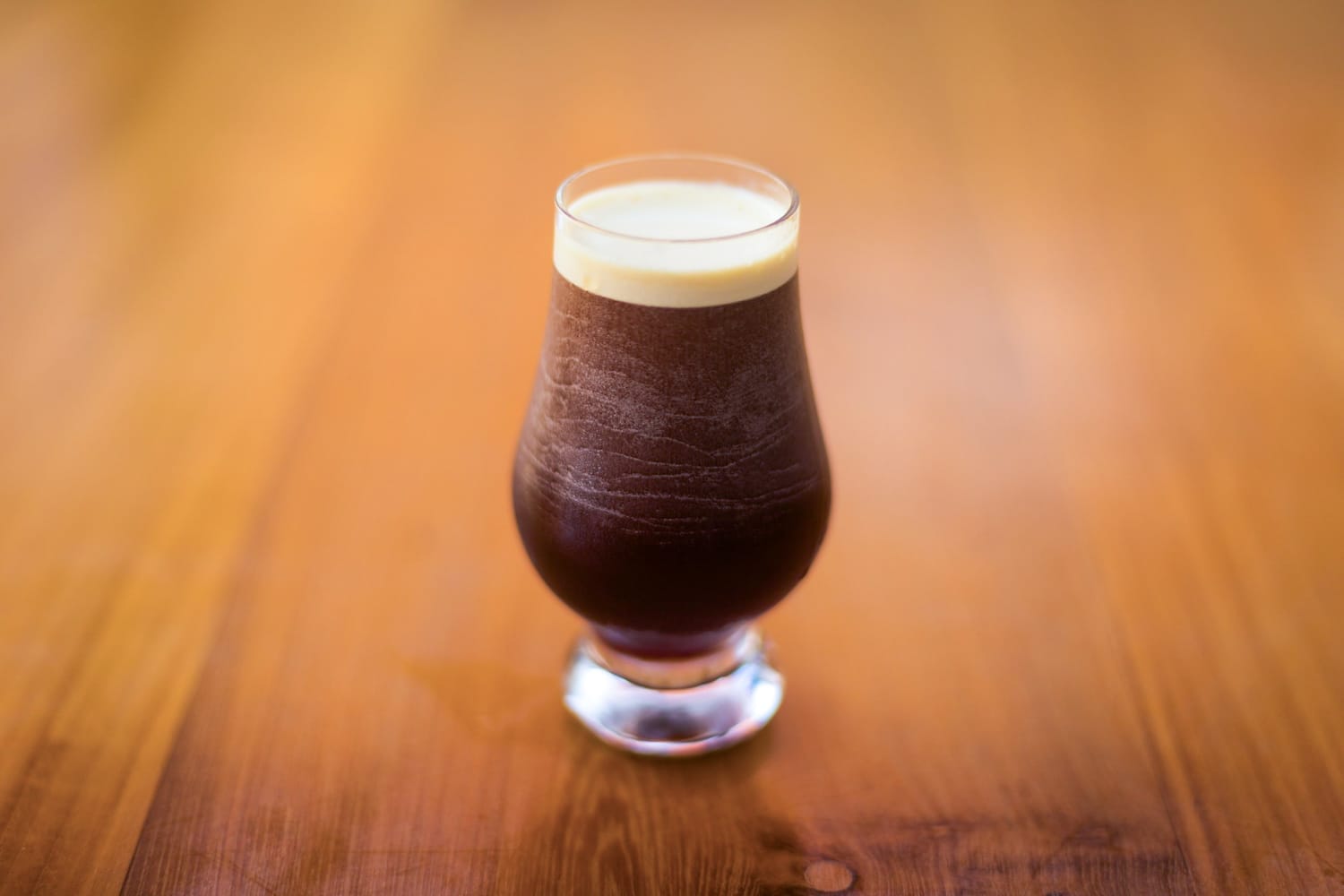
On the first Thursday of November, pint glasses around the world fill with velvety darkness in honor of International Stout Day. Though the event itself is relatively young—launched in 2011 by beer writer Erin Peters—the drink it celebrates has centuries of history and enough nuance to inspire passionate debate in any pub. Each November, as days shorten and evenings cool, stout lovers gather to raise a glass to a beer that embodies both comfort and craftsmanship.
The story of stout begins in seventeenth-century London, where brewers crafted a brown ale called porter, named for the working-class laborers who favored it. The term “stout porter” referred to stronger versions of the beer—“stout” then meaning bold or robust—and over time, the adjective took on a life of its own. By the 1730s, British brewers were intentionally brewing darker, stronger beers simply called stouts, using roasted barley and long boils to bring out aromas of coffee, chocolate, and toasted bread.
In 1776, Arthur Guinness began brewing stout in Dublin, introducing a signature twist: he used unmalted roasted barley instead of malted barley, producing a drier, more bitter beer with the creamy head now synonymous with Irish stout. From there, stout traveled across oceans and evolved into countless variations—milk stout sweetened with lactose, oatmeal stout made silky with flaked oats, and the rich Russian Imperial stout originally brewed to withstand a winter voyage and impress the czar’s court.
International Stout Day invites drinkers to appreciate stout as an experience, not just a beverage. Imagine the moment a pint is poured: the cascading bubbles that settle into a tan head, the aroma that rises like freshly ground coffee on a damp morning. The first sip coats the palate in smooth bitterness before revealing notes of dark chocolate, molasses, or even briny oysters in the style’s more adventurous forms. Unlike a crisp summer lager, stout is a fireside companion—a beer to sip slowly while the air turns cold outside.
In eighteenth-century London, workers might have toasted bread over the hearth while sipping their pint. Today’s drinkers might pair their stout with smoked meats, oysters, or a wedge of sharp cheddar. Each pairing brings new depth to the beer’s roasted, malty profile.
Because it falls in early November, Stout Day has become a kind of seasonal marker. Brewing has always followed the agricultural calendar: barley is malted after harvest, and dark, hearty beers rise in popularity as nights lengthen and temperatures drop. That rhythm persists even in today’s craft beer world. Many breweries release special stouts in autumn—barrel-aged in whiskey casks, conditioned on coffee or cocoa nibs, or infused with vanilla and spice. These limited editions turn the celebration into a yearly ritual for beer enthusiasts who trade bottles, swap stories, and savor the diversity of the style.
International Stout Day isn’t just a toast to a single beer—it’s a celebration of craftsmanship, community, and continuity. Every pint poured links today’s drinkers to the brewers and laborers who first fell in love with its deep, roasted character. Whether you’re a purist who prefers a perfectly poured Guinness or an adventurer exploring bourbon-barrel imperial stouts that taste like dessert, Stout Day invites you to slow down, gather with friends, and find warmth in the glass as winter draws near.
