International Zebra Day
January 31, 2026

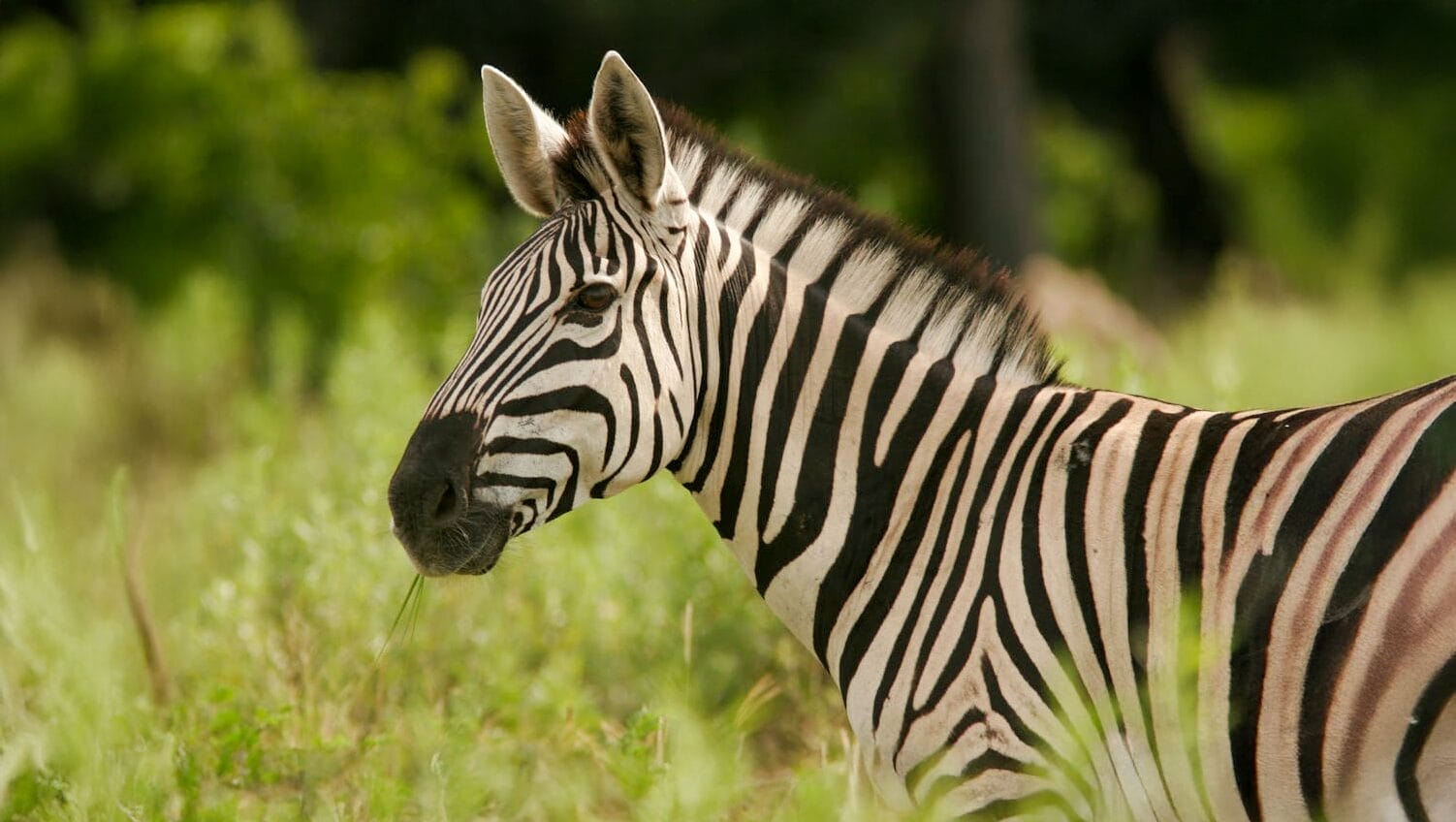
International Zebra Day is observed annually on January 31 and is dedicated to raising awareness about zebra conservation and the challenges facing zebra species in the wild. The observance emerged from wildlife conservation efforts rather than from a single founding organization or historical event.
Zebras are native to Africa and have been documented in human records for thousands of years. Ancient Greek and Roman writers described striped equines encountered through trade and exploration, often portraying them as exotic and untamable. Unlike horses and donkeys, zebras were never successfully domesticated, largely due to their strong flight instincts, social structures, and resistance to human control.
Modern interest in zebra conservation intensified during the twentieth century as habitat loss, hunting, and regional conflict began to affect population stability. International Zebra Day developed as a way to focus attention on these pressures and to distinguish zebras from more commonly discussed African megafauna.
The observance functions as an awareness marker rather than a celebration, emphasizing protection over symbolism.
Zebras play a critical ecological role within African grassland and savanna ecosystems. As grazing animals, they consume coarse vegetation that other herbivores avoid, helping maintain grassland balance and enabling secondary grazers to access fresh growth.
Culturally, zebras occupy a unique symbolic position. Their distinctive stripes have inspired scientific debate, artistic representation, and myth. The patterning has been studied for its potential role in predator deterrence, thermoregulation, and social recognition.
Zebras are also important prey species for large predators, contributing to ecosystem stability. Disruptions to zebra populations can cascade through food webs, affecting both plant life and carnivore survival.
International Zebra Day emphasizes that zebras are not merely visual icons, but integral components of functioning ecosystems.
International Zebra Day remains relevant because all three zebra species face ongoing threats. Habitat fragmentation, competition with livestock, poaching, and climate variability continue to pressure populations across Africa.
The observance encourages attention to lesser-known conservation challenges. While elephants and rhinos receive substantial global focus, zebras often receive less protection despite their ecological importance.
International Zebra Day also reinforces the interconnected nature of conservation. Protecting zebras requires habitat preservation, sustainable land use, and cooperation between local communities and conservation organizations.
The day matters because it redirects attention toward balance rather than spectacle, reminding society that biodiversity preservation depends on protecting entire systems, not only their most famous members.