J.R.R. Tolkien’s Birthday
January 1, 2028

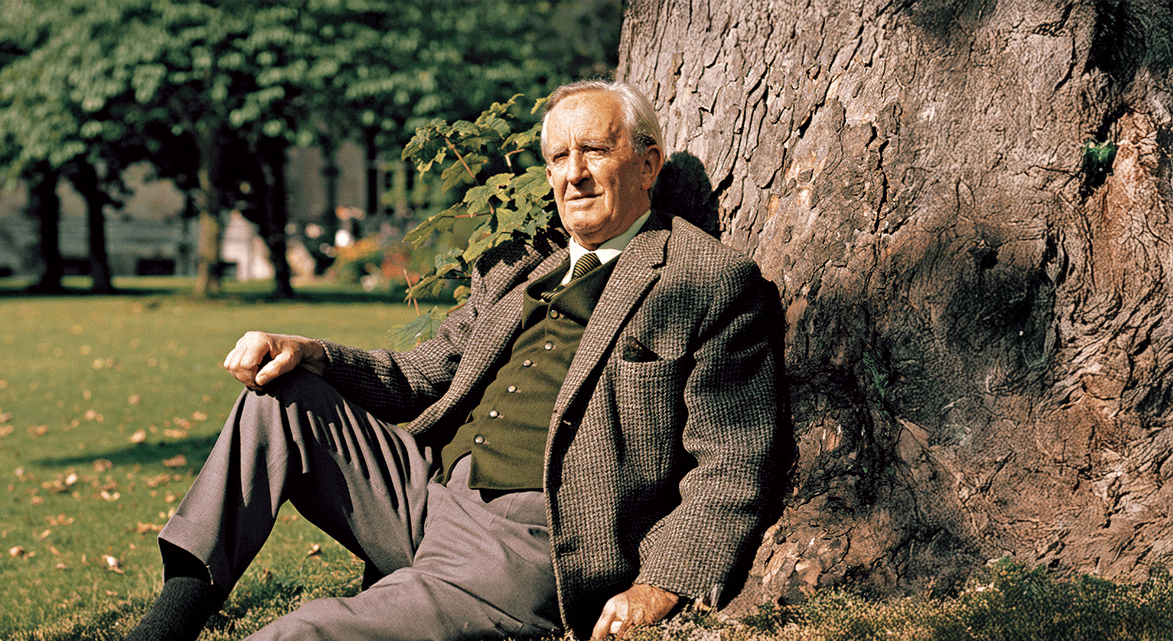
J.R.R. Tolkien was a British writer, philologist, and academic whose literary work reshaped modern fantasy. Best known for creating expansive mythological worlds, Tolkien combined linguistic scholarship with narrative imagination to produce stories that function as both entertainment and cultural mythology. His influence extends far beyond literature, shaping film, gaming, and popular conceptions of heroism, language, and world-building.
Tolkien’s public identity is rooted in intellectual depth rather than celebrity. His work emerged from academic study and personal creative discipline rather than commercial trend, giving his stories a sense of internal coherence that continues to attract readers across generations.
Within literary history, Tolkien stands as a foundational figure whose methods defined the architecture of modern fantasy.
John Ronald Reuel Tolkien was born in 1892 and raised in England, developing an early fascination with language, mythology, and storytelling. His academic career as a philologist deeply informed his creative work, leading him to construct entire languages before fully shaping the worlds they inhabited. This approach distinguished his writing from earlier fantasy traditions that relied primarily on allegory or folklore adaptation.
Tolkien’s experiences during World War I profoundly influenced his worldview. The loss, devastation, and disillusionment of war informed his understanding of conflict, sacrifice, and endurance, themes that permeate his fiction. Rather than presenting simplistic battles between good and evil, his narratives explore moral complexity and the cost of power.
The publication of his major works introduced readers to fully realized secondary worlds governed by internal logic, history, and linguistic consistency. This depth set a new standard for fantasy literature and established expectations that continue to shape the genre.
Culturally, Tolkien’s significance is vast. His stories became touchstones for discussions of mythology, environmentalism, and heroism, influencing countless creators across media. Adaptations expanded his reach, but the endurance of his work rests on the integrity of the original texts.
Tolkien remains relevant because his work addresses timeless human concerns through carefully constructed myth. His legacy persists not as nostalgia, but as an ongoing framework for how imagined worlds can reflect real moral and cultural questions.