
Bubble Gum Day
Origins and Historical Background of Bubblegum Day Bubblegum Day is observed annually in early February and centers on bubblegum as a distinct cultural and commercial invention rather than merely a […]

Origins and Historical Background of Bubblegum Day Bubblegum Day is observed annually in early February and centers on bubblegum as a distinct cultural and commercial invention rather than merely a […]

Origins and Historical Development of National Chopsticks Day National Chopsticks Day is observed annually on February 6 and centers on one of the most enduring and widely used eating utensils […]

The International Day of Zero Tolerance to Female Genital Mutilation is observed annually on February 6. The day was established by the United Nations General Assembly in 2012 through Resolution […]

Reclaim Social Day is observed annually on February 3. The observance was established in 2017 by Pause Global, a nonprofit organization founded in the United Kingdom to promote digital well […]
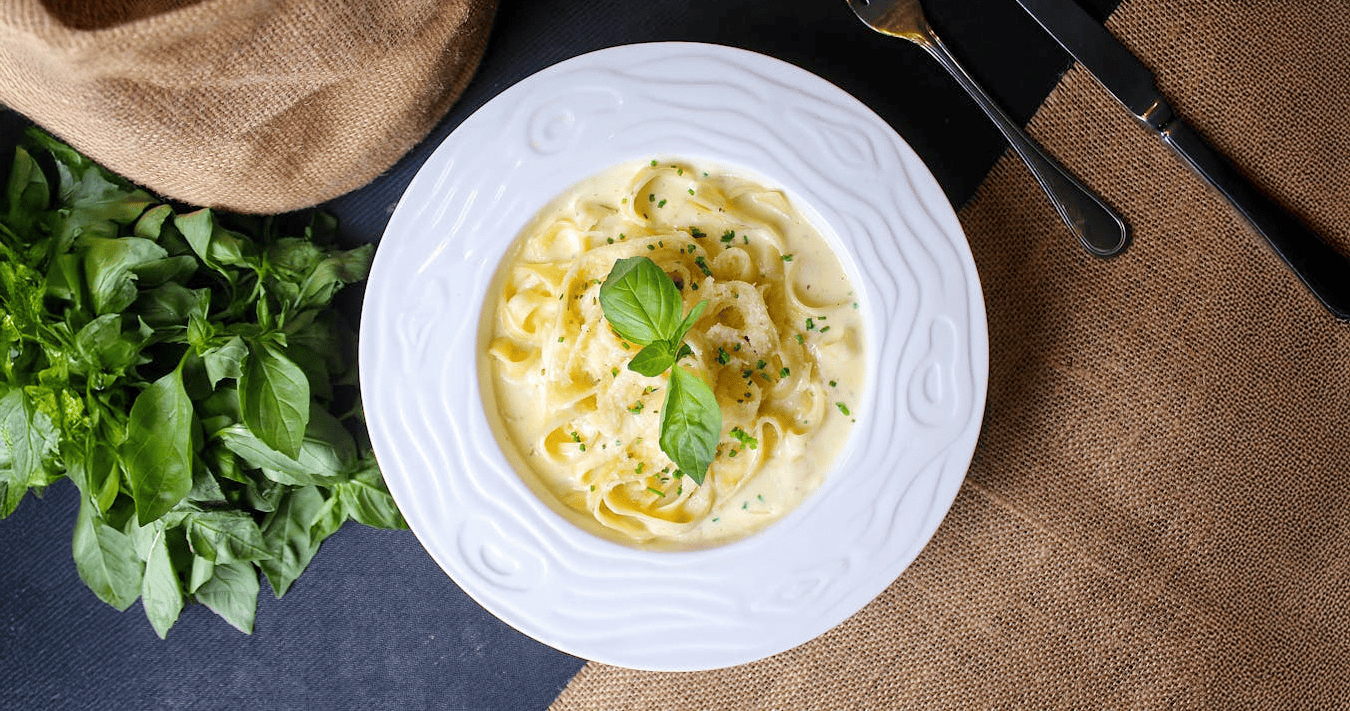
Origins and Historical Background of National Fettuccine Alfredo Day National Fettuccine Alfredo Day is observed annually in early February and celebrates a pasta dish whose global reputation far exceeds its […]
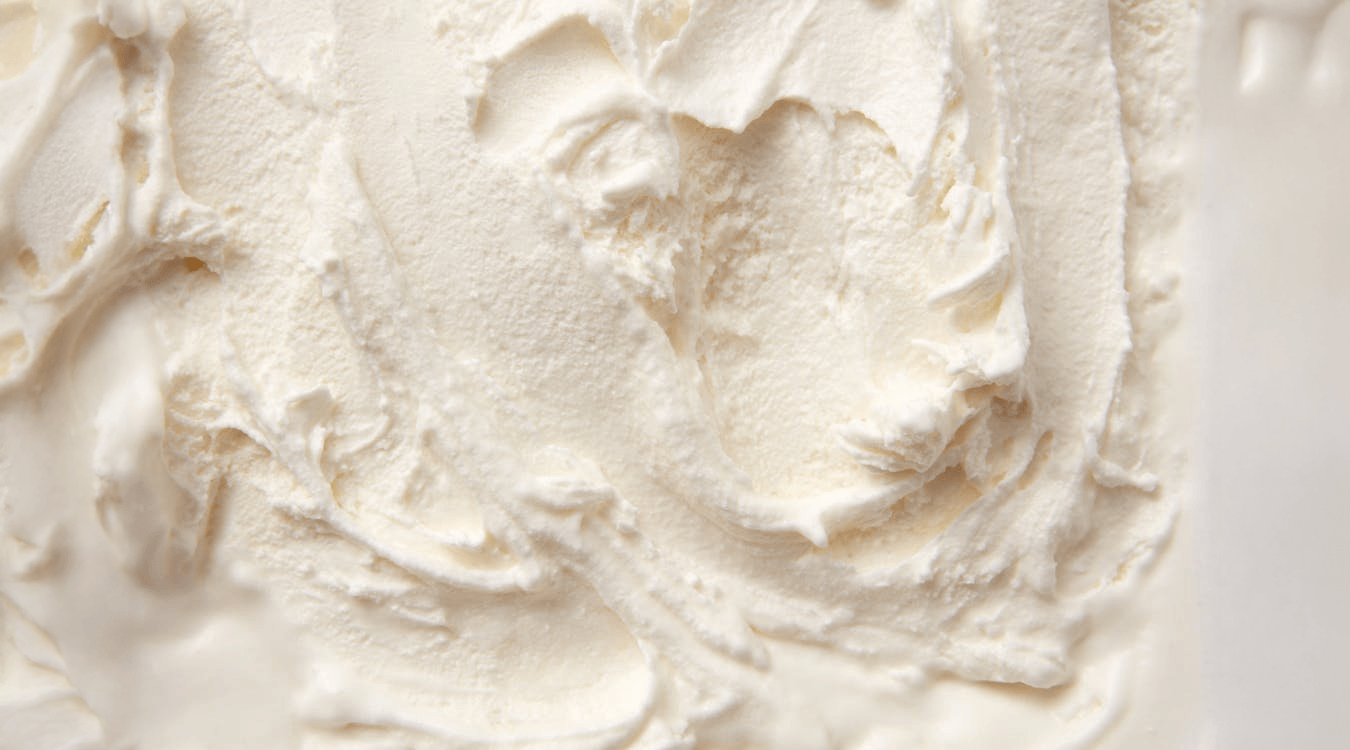
Origins and Historical Background of National Ice Cream for Breakfast Day National Ice Cream for Breakfast Day is observed annually on the first Saturday in February and celebrates deliberate disruption […]
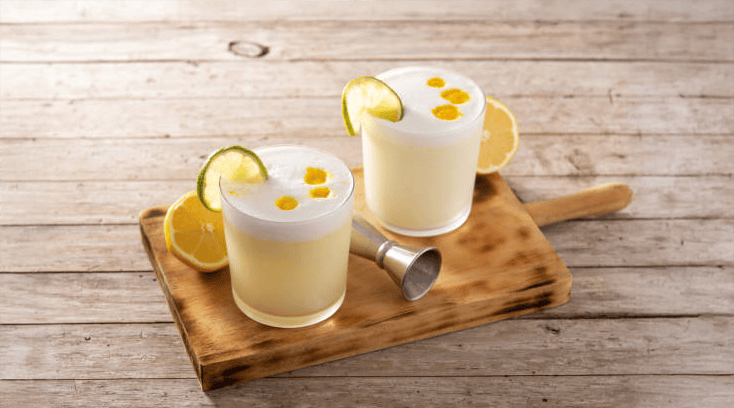
Origins and Historical Background of Pisco Sour Day Pisco Sour Day is observed annually in early February and honors a cocktail that reflects complex layers of regional identity, migration, and cultural exchange in South America. The pisco sour is most strongly associated with Peru, where it is regarded as a national drink, though its history […]

Origins and Historical Background of Molasses Bar Day Molasses Bar Day is observed annually in early February and highlights a baked good closely tied to historical sugar production, trade, and domestic cooking. Molasses bars emerged during periods when refined sugar was scarce or expensive, making molasses a practical alternative. Molasses is a byproduct of sugar […]

Origins and Historical Background of National Kraut and Frankfurter Week National Kraut and Frankfurter Week is observed annually in early February and centers on two foods whose histories are deeply intertwined with preservation, migration, and industrialization. Sauerkraut and frankfurters originated in Central Europe, particularly in German-speaking regions, where climate and seasonal scarcity shaped food traditions. […]
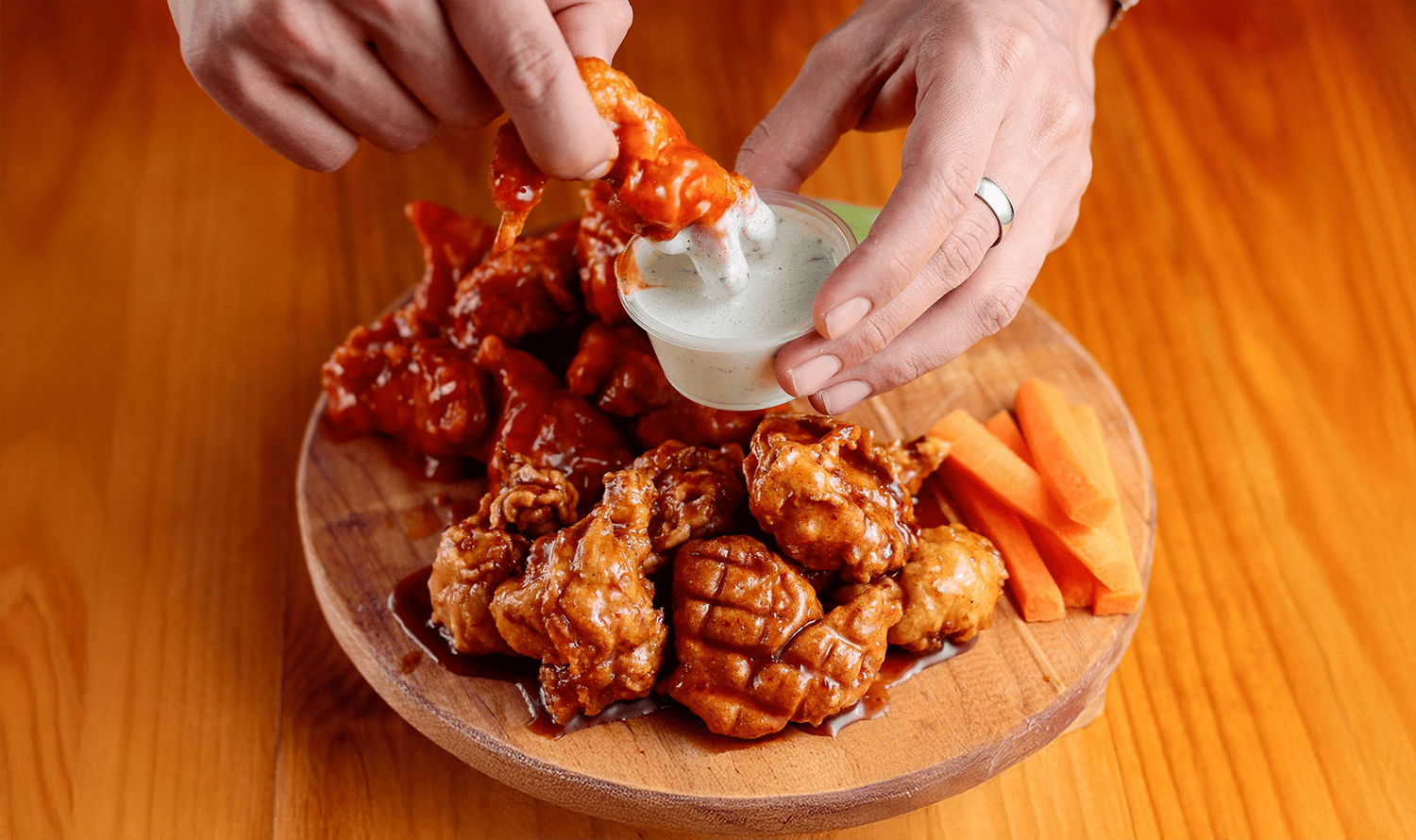
Origins and Historical Background of Super Chicken Wing Day Super Chicken Wing Day is observed annually in early February and celebrates chicken wings as a staple of communal eating, particularly in connection with sporting events. Chicken wings were once a marginal cut, valued primarily for stock rather than standalone dishes. The transformation of chicken wings […]

Children’s Hospice Day is an annual observance associated most strongly with Germany under the name Tag der Kinderhospizarbeit. It is observed on a fixed calendar date of February 10 each year. The observance was established by the Deutscher Kinderhospizverein, commonly referred to in English as the German Children’s Hospice Association. The organization states that it […]

Origins and Historical Background of National Bagels and Lox Day National Bagels and Lox Day is observed annually in early February and centers on a food pairing shaped by migration, preservation, and cultural adaptation. The combination of bagels and lox is most closely associated with Jewish culinary tradition, particularly as it developed in Eastern Europe […]