Molasses Bar Day
February 8, 2028

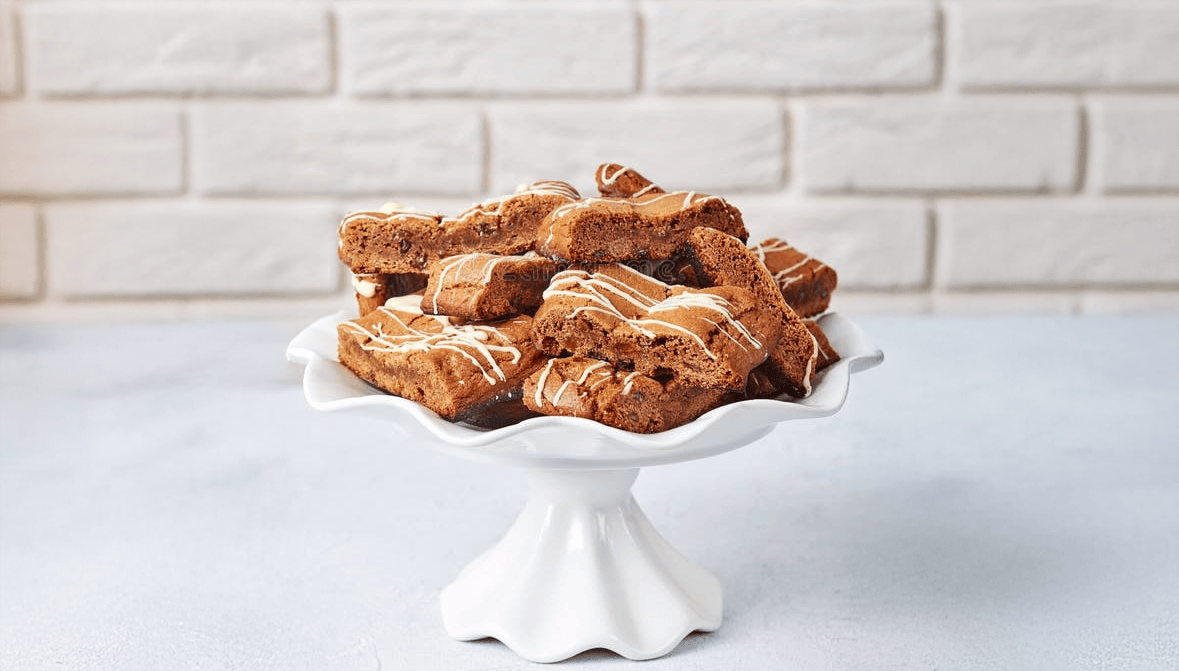
Molasses Bar Day is observed annually in early February and highlights a baked good closely tied to historical sugar production, trade, and domestic cooking. Molasses bars emerged during periods when refined sugar was scarce or expensive, making molasses a practical alternative.
Molasses is a byproduct of sugar refining, widely available in the eighteenth and nineteenth centuries through transatlantic trade networks. In North America, it became a common household sweetener, especially in regions where refined sugar was less accessible.
Molasses-based baking traditions developed out of necessity. Dense cakes, cookies, and bars used molasses not only for sweetness but for moisture and shelf stability. These baked goods were designed to last, making them suitable for travel and storage.
Molasses Bar Day reflects a time when baking was shaped by economy, preservation, and practicality rather than indulgence alone.
Molasses bars are culturally significant because they represent frugality transformed into tradition. Their deep flavor and dense texture reflect ingredients chosen for endurance rather than delicacy.
In many households, molasses bars were associated with everyday nourishment rather than celebration. Over time, this familiarity became a source of nostalgia, linking the bars to memory and continuity.
The flavor profile of molasses carries historical weight, often evoking associations with early American baking and rural life.
Molasses Bar Day highlights how humble baked goods can preserve history through taste.
Molasses Bar Day remains relevant as interest grows in historical recipes and traditional baking methods. Foods rooted in necessity offer insight into how previous generations navigated scarcity.
The observance also encourages appreciation for flavors that are less dominant in modern dessert culture but deeply rooted in culinary heritage.
Molasses bars remind contemporary audiences that sweetness once carried complexity and restraint.
The day matters because it honors a baked good that reflects resilience, continuity, and domestic history.
