Martin Luther King Jr. Day
January 17, 2028

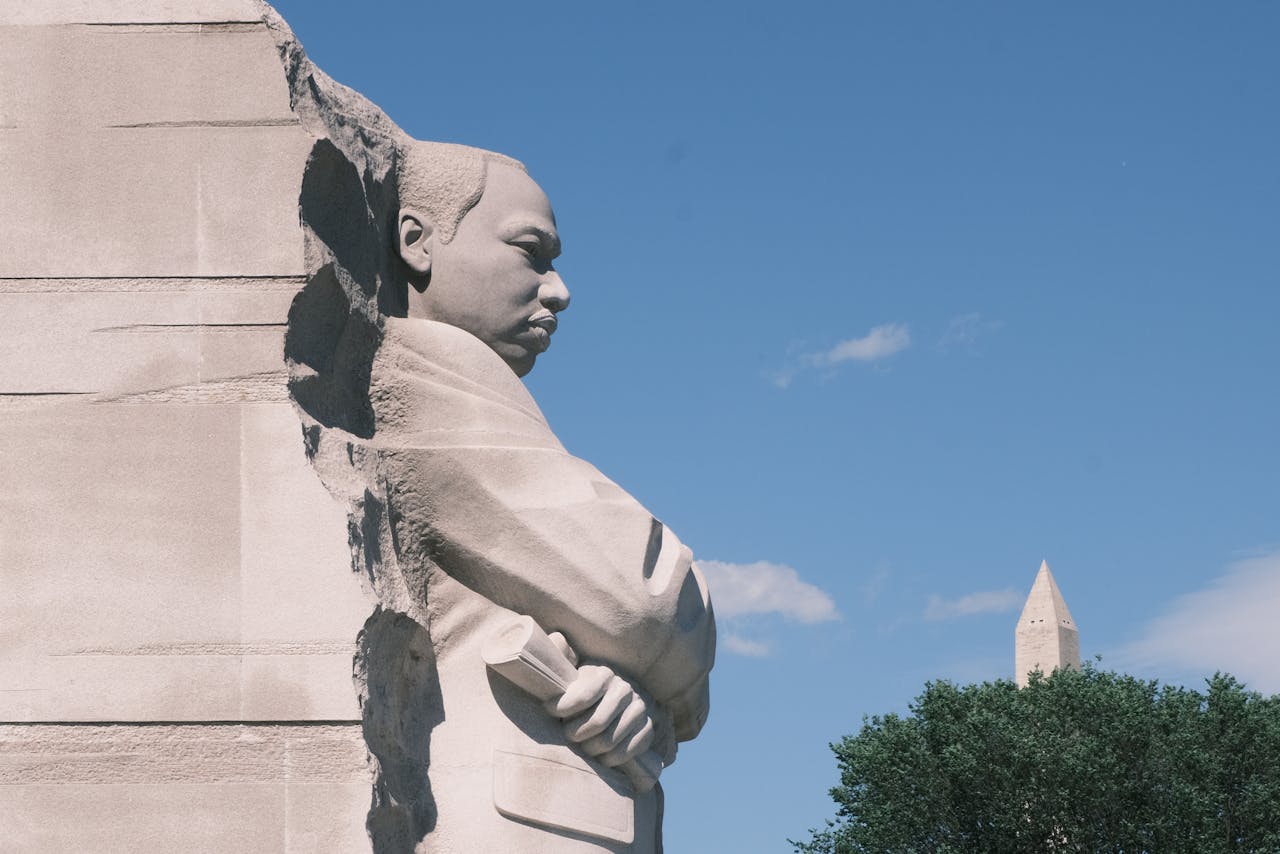
Martin Luther King Jr. Day is the only U.S. federal holiday dedicated to a private citizen — and the only one formally recognized as a national day of service. Observed on the third Monday in January, it commemorates the life and legacy of Reverend Dr. Martin Luther King Jr., the Baptist minister and civil rights leader who championed nonviolent resistance against racial segregation and injustice. His message continues to echo across generations: that moral courage and collective action can bend the arc of history toward justice.
Following Dr. King’s assassination in Memphis on April 4, 1968, Congressman John Conyers introduced a bill to create a holiday in his honor. The proposal met resistance for years, but Coretta Scott King — Dr. King’s widow — led a tireless campaign of marches, petitions, and public advocacy. In 1980, musician Stevie Wonder amplified the movement with his song “Happy Birthday”, which became an anthem for the cause. Growing public support finally pushed Congress to pass legislation in 1983 establishing the holiday. President Ronald Reagan signed it into law on November 2 of that year.
Despite the federal mandate, it took 17 more years for all states to observe Martin Luther King Jr. Day. Some states initially paired it with existing holidays — such as Robert E. Lee Day — before ultimately recognizing it outright. In 1994, Congress strengthened the holiday’s purpose by designating it as a national day of service, encouraging Americans to honor Dr. King not through rest, but through meaningful action in their communities.
Every year, MLK Day is marked by prayer breakfasts, concerts, marches, and community gatherings. At Ebenezer Baptist Church in Atlanta, where King once preached, congregants reflect on his teachings. Volunteers clean parks, tutor children, serve meals to unhoused neighbors, and participate in drives supporting families in need. Classrooms across the country explore King’s leadership in the Montgomery Bus Boycott, his landmark “I Have a Dream” speech at the 1963 March on Washington, and his philosophy of nonviolent resistance shaped by the teachings of Mahatma Gandhi. Students also learn about King’s advocacy for workers’ rights and his outspoken opposition to the Vietnam War — reminders that his activism addressed not only racial injustice but economic and moral injustice as well.
Martin Luther King Jr. Day asks Americans to reflect on how far the nation has come — and how far it still must go. It is not meant to be a passive holiday but a prompt to confront systemic racism, economic inequality, and the responsibilities of civic life. Above all, the day echoes King’s enduring words: “Everybody can be great, because everybody can serve.” In this spirit, the holiday transforms remembrance into fuel for social change, reminding us that honoring Dr. King means living out his legacy through action.