Meatloaf Appreciation Day
October 18, 2029

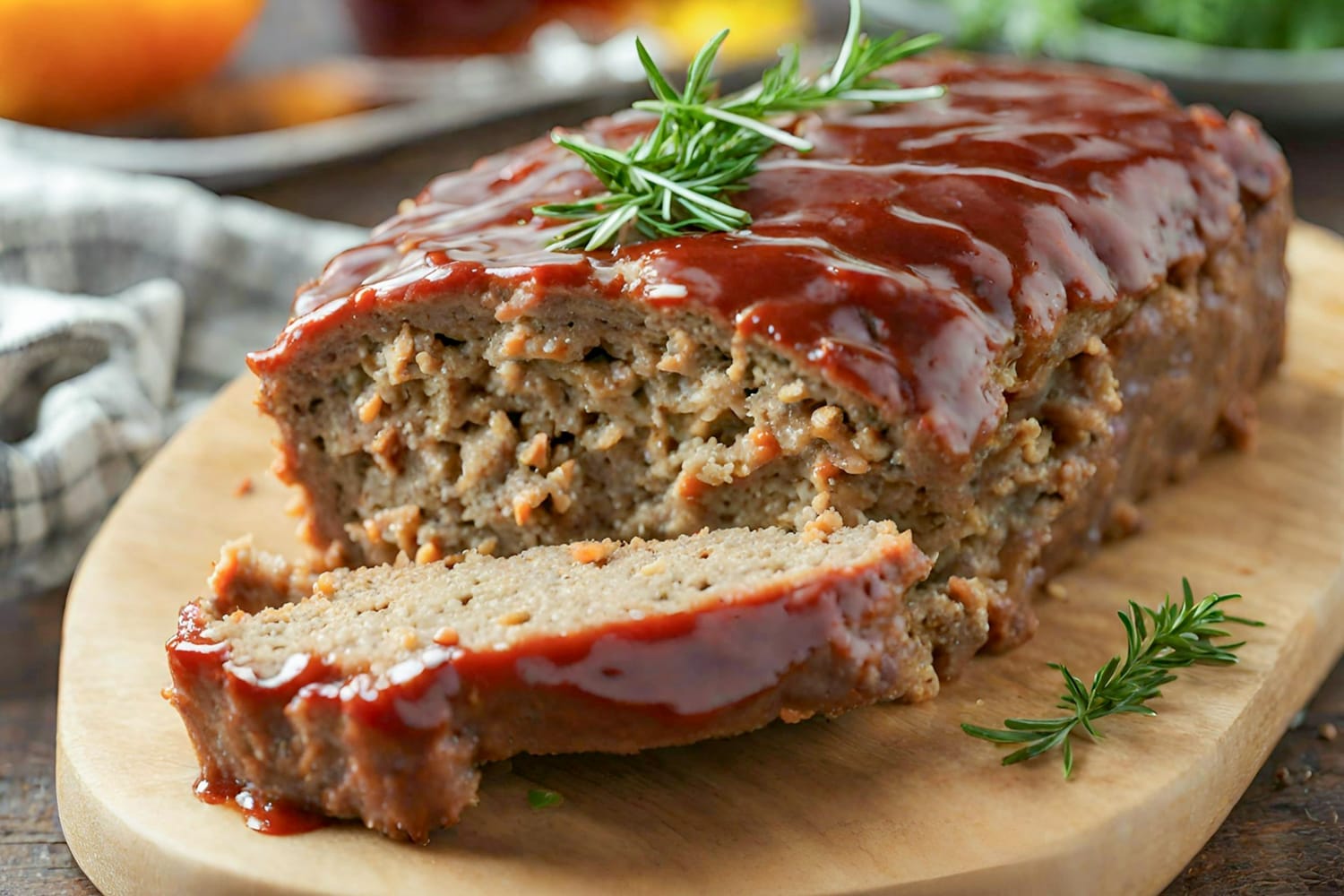
If there is a single dish that evokes both homey comfort and gentle ribbing, it’s meatloaf. Meatloaf Appreciation Day is a modern celebration created by food lovers who wanted to give this humble entrée its due after years of unfair jokes. At its core, meatloaf is a resourceful way to stretch ground meat with fillers like breadcrumbs, oats, or crushed crackers, bind it with eggs and milk, and season it with onions, herbs, and whatever spices are on hand.
Its origins trace back to ancient Rome, where cooks pounded leftover meats with nuts and spices. The American meatloaf we know took shape in the 19th century, when German and Scandinavian immigrants brought recipes for spiced, baked meat patties. During the Great Depression and wartime rationing, thrifty cooks relied on meatloaf to feed large families affordably. In the 1950s, glossy magazines offered endless variations—glazed with ketchup, stuffed with eggs or cheese—cementing its place as a mid-century staple of the American dinner table.
Despite its ubiquity, meatloaf became an object of sitcom satire in the latter half of the 20th century. Kids groaned when mom announced meatloaf night, and TV comedians mocked its brick-like shape. Yet nostalgia has a way of redeeming classics. In the 2010s, comfort food underwent a renaissance as chefs reimagined meatloaf with artisanal meats, sophisticated glazes, and inventive fillings.
SeriousEats.com helped fuel the comeback in 2018 by declaring a Meatloaf Appreciation Day and encouraging cooks to share their family recipes. Suddenly, meatloaf was back—juicy, flavorful, and proudly homemade. The appeal is obvious: it combines the tenderness of a burger with the satisfaction of a roast, and its leftovers make legendary sandwiches.
A well-made meatloaf depends on balance. The ratio of meat to filler affects texture; too little binder and it crumbles, too much and it turns dense. Slow baking melds flavors and caramelizes the outer crust, while a glossy glaze of ketchup, mustard, and brown sugar adds tang and sweetness. Served with mashed potatoes and gravy or tucked between slices of bread, meatloaf remains one of the most comforting dishes on the table.
Beyond nostalgia, meatloaf endures because it’s endlessly adaptable. Whether made from beef, pork, turkey, or plant-based alternatives, each version tells a story of resourcefulness and care. It’s the food equivalent of a hug—simple, hearty, and made to share.
This holiday celebrates the creativity of everyday cooks who turned humble ingredients into something special. Meatloaf bridges generations—it’s the meal your grandmother perfected, your parents tweaked, and you now personalize. In appreciating it, we honor the lineage of home cooks who made comfort food a cultural touchstone. A slice of meatloaf is a slice of history, flavored with nostalgia and innovation alike.