Mince Meat Pie Day
October 26, 2028

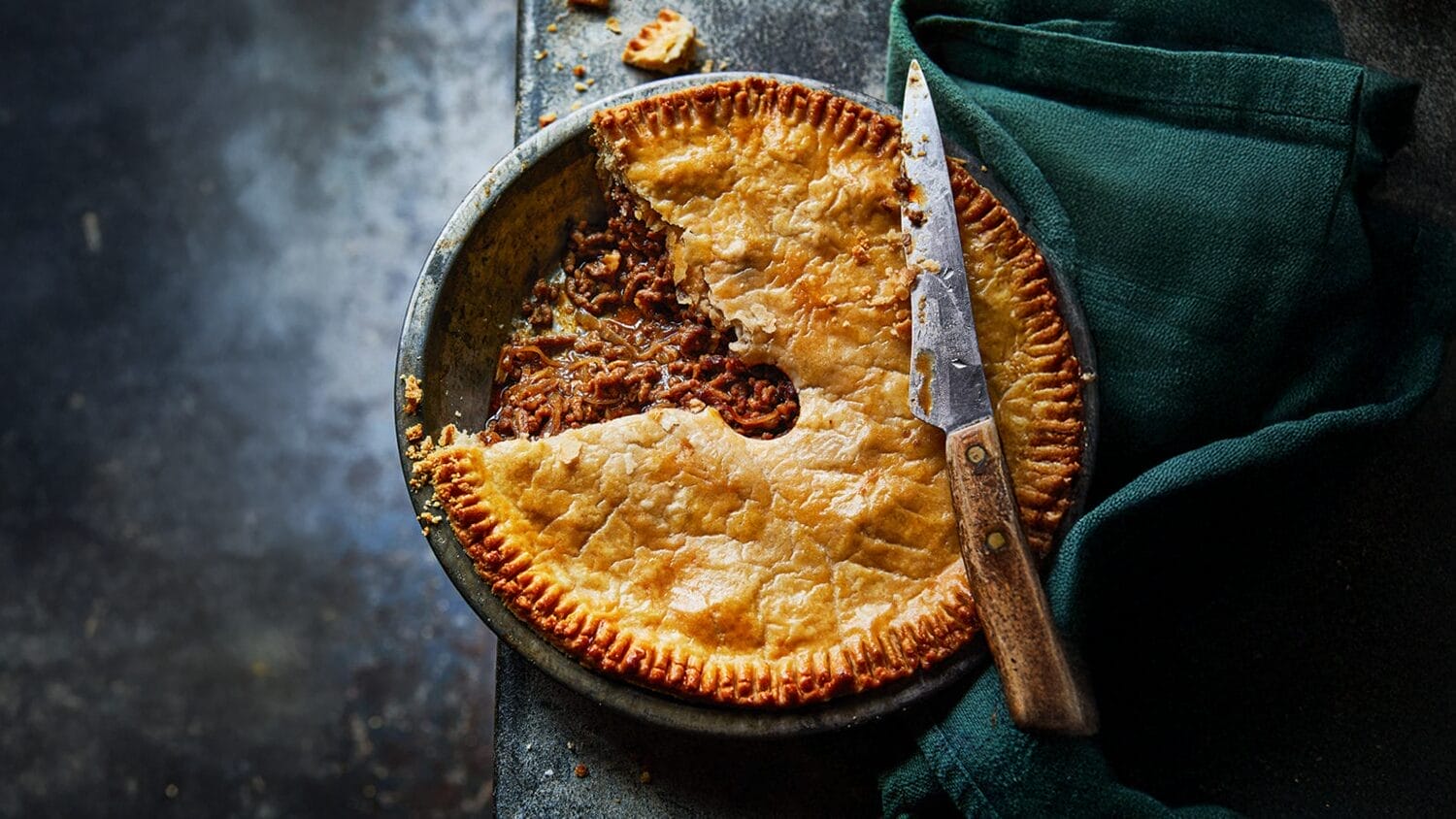
Mince Meat Pie Day celebrates one of Britain’s most storied desserts—a spiced, fruit-filled pastry so entwined with Christmas that it seems out of place in October. Yet that’s exactly when this delicious holiday falls, reminding bakers to prepare their mincemeat early so it can mature in time for the winter festivities. These rich little pies tell a fascinating story that spans centuries, continents, and culinary evolution—from medieval feasts to cozy modern kitchens.
The origins of mince pies stretch back to the 13th century, when European crusaders returned from the Middle East carrying exotic spices like cinnamon, cloves, and nutmeg. Medieval cooks, eager to showcase their wealth and imported flavors, combined these spices with minced mutton, beef, or venison, dried fruits, suet, and wine to create luxurious savory-sweet pies. The spices symbolized the gifts of the Magi, and the oblong shape of early pies was said to resemble a manger. These early mincemeat pies were feasting fare—rich, symbolic, and designed to impress.
Over the centuries, as sugar became more accessible and dried fruits more plentiful, the meat content in mince pies dwindled. By the Victorian era, mincemeat had transformed into a sweet preserve of raisins, currants, candied peel, suet, sugar, and brandy—often stored in jars for weeks before being spooned into buttery pastry shells. What remained was the essence of the original dish: an intoxicating mix of sweet, spicy, and rich flavors that evoked warmth and celebration. Today’s mince pies are an echo of their medieval ancestors, a culinary time capsule connecting past and present in a single bite.
Preparing mincemeat at home is an exercise in patience, craft, and anticipation. Dried fruits soak in brandy or rum for days or weeks, swelling as they absorb the spirits. Chopped apples, citrus zest, brown sugar, and spices are added before sealing the mixture in jars to mature. When it’s time to bake, shortcrust pastry is rolled out to line muffin tins, a spoonful of the fragrant filling is dropped into each, and a pastry lid—often decorated with stars or holly leaves—crowns the top. The pies bake until golden, their aroma filling the kitchen with notes of fruit, butter, and spice. Served warm with tea or mulled wine, they embody the comfort of winter itself.
Celebrating Mince Meat Pie Day in October might feel like jumping ahead to Christmas, but it’s the perfect time to begin preparing for the holidays. If you’ve only ever bought mincemeat from a jar, try making your own from scratch this year. Traditional recipes include beef suet for authenticity, but butter or vegetable shortening can easily make it vegetarian. Experiment with cranberries, dried cherries, or chopped nuts to make it your own. Once baked, serve the pies with cream, brandy butter, or—true to English custom—a sharp slice of cheddar cheese.
Mince pies are more than seasonal desserts; they are edible history. Each bite carries echoes of medieval banquets, Tudor kitchens, and Victorian parlor teas. The spices—once treasures of trade routes stretching from Asia to Europe—now sit quietly in your cupboard, linking your kitchen to centuries of cooks who found joy in blending sweetness and spice. So on Mince Meat Pie Day, take a moment to savor not just the flavor but the legacy: a celebration of culture, craft, and the enduring warmth of food shared in good company.