National Apricot Day
January 9, 2027

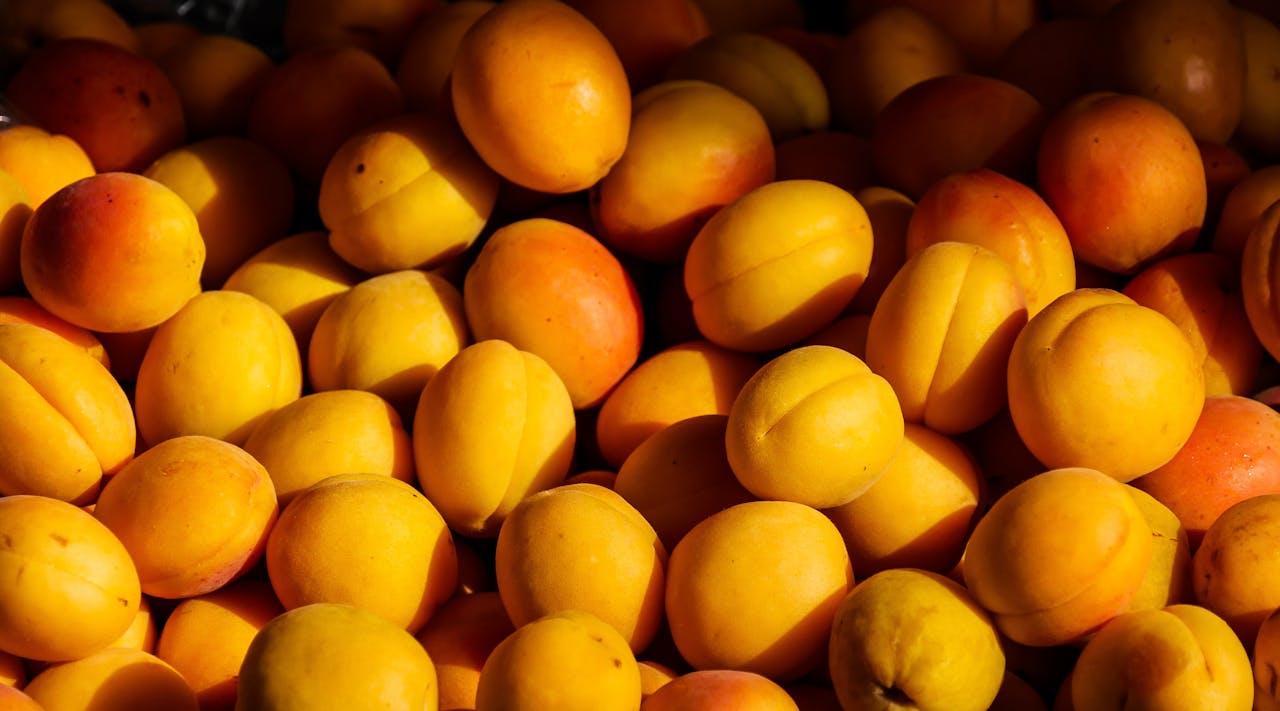
Apricots may be small, but their history spans continents and centuries. Most scholars agree that apricots were first domesticated in China more than 4,000 years ago, where they were valued not only for their flavor but also for their medicinal properties. Ancient Chinese texts reference apricot orchards and even associate the fruit with education and healing. From there, apricots traveled west along the Silk Road, moving through Central Asia into Persia and the Caucasus, where the fruit adapted easily to warm days and cool nights.
When apricots reached the Mediterranean world, their origins became blurred. Europeans long believed the fruit came from Armenia, a misconception preserved in its scientific name, Prunus armeniaca. Roman writers such as Pliny the Elder referred to apricots as praecocum, meaning “early ripening,” noting that they matured before peaches and other stone fruits. The Romans spread apricots throughout their empire, planting them in gardens from Italy to Gaul.
The fruit’s global journey continued during the Age of Exploration. Spanish missionaries brought apricot trees to the Americas in the 18th century, planting them along California’s mission system. The trees thrived in the region’s Mediterranean climate, and by the 20th century the San Joaquin Valley had become one of the most productive apricot-growing regions in the United States. National Apricot Day on January 9 reflects this long arc of cultivation, migration, and adaptation, reminding us that even familiar fruits carry stories shaped by trade routes, empires, and agriculture.
Fresh apricots are defined by subtlety. Their thin, velvety skin encloses flesh that balances gentle sweetness with a light tart edge. Unlike peaches or nectarines, apricots do not rely on bold juiciness. Instead, their appeal lies in nuance, which also makes them unforgiving. They bruise easily and spoil quickly, giving fresh apricots a narrow seasonal window that typically peaks in late spring and early summer.
This short season is part of what makes apricots special. When eaten at peak ripeness, their aroma is floral and faintly honeyed, with a soft texture that yields easily to the bite. Outside that window, dried apricots carry the torch. Drying concentrates sugars and deepens flavor, transforming the fruit into something richer and more resilient. Unsulfured dried apricots turn a deep brown, while sulfur-treated versions retain their bright orange color, a visual reminder of how preservation techniques shape perception.
Nutritionally, apricots punch above their weight. They are rich in beta carotene, which the body converts to vitamin A, supporting eye health and immune function. They also provide vitamin C, potassium, and dietary fiber. Traditional medicine systems have used apricots and their kernels in treatments for digestion and respiratory health, though modern guidance cautions against consuming raw kernels due to naturally occurring compounds.
Apricots also occupy a unique culinary space between sweet and savory. Their natural acidity allows them to pair effortlessly with meats, spices, and nuts, while their sweetness lends itself to desserts without overwhelming them.
National Apricot Day encourages appreciation not just of the fruit itself, but of its versatility across cultures. In the Middle East and North Africa, apricots appear in savory dishes like Moroccan tagines, where dried fruit simmers with lamb, warm spices, and nuts. In Turkey and Iran, apricots are eaten fresh, dried, or turned into thick pastes and syrups. Central European cuisines favor apricots in dumplings, cakes, and preserves, often paired with almonds or poppy seeds.
In American kitchens, apricots shine in cobblers, jams, and tarts, where their gentle tartness keeps desserts from becoming cloying. Poached apricots in wine, brandy, or spiced syrup offer an elegant preparation that highlights the fruit’s delicate structure. Even simple uses, such as chopping dried apricots into salads or grain dishes, showcase their ability to add brightness and contrast.
The day is also an invitation to reflect on seasonality and preservation. Apricots remind us that not all foods are meant to be available year-round in their fresh form, and that drying, canning, and jam making are not compromises but time-honored techniques for extending flavor and nourishment. Supporting orchards that grow heritage apricot varieties helps maintain genetic diversity and protects fruit cultivars that might otherwise disappear.
Whether you bake with fresh apricots, simmer a small batch of jam, or simply snack on dried slices, National Apricot Day offers a moment to slow down and appreciate a fruit shaped by centuries of human care. Its journey from ancient Chinese orchards to modern tables is a testament to how food connects geography, culture, and time in a single bite.