National Bake Week
April 5, 2027

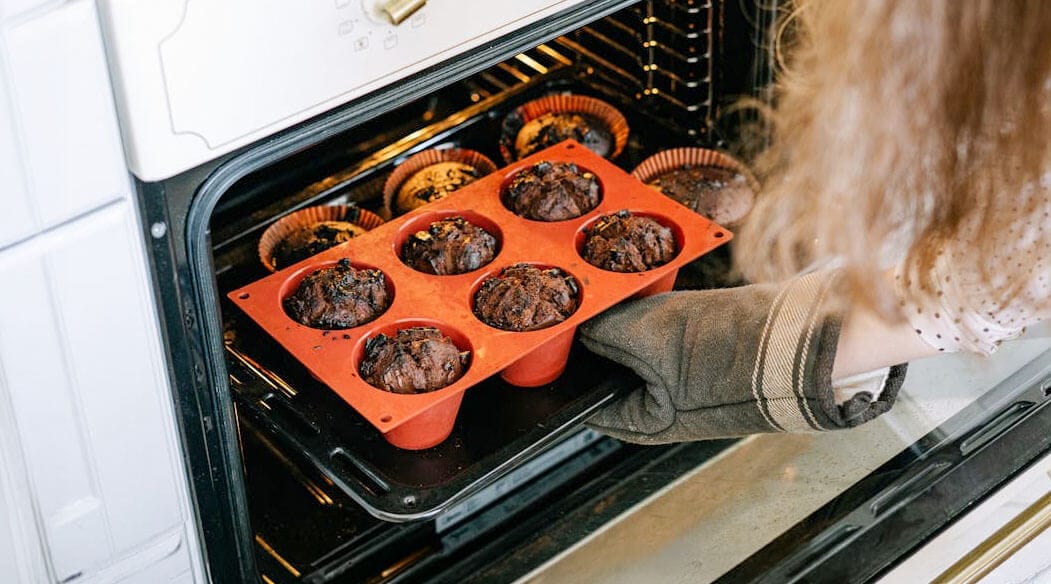
National Bake Week, observed annually during the third week of October in the United Kingdom, celebrates home baking traditions while raising funds for charitable causes through coordinated baking events, sales, and community gatherings. This week-long observance was established by the Baking Industry Awards in partnership with various charities to promote baking’s social, therapeutic, and community-building aspects beyond simple food preparation. Unlike single-day food holidays, National Bake Week extends celebration across seven days, allowing sustained participation through workplace bake sales, school baking competitions, community events, and social media challenges. The timing in mid-October coincides with autumn harvest traditions and positions the week before Halloween’s candy focus, creating space for celebrating homemade baked goods. This observance falls within the broader category of awareness weeks that combine celebration with charitable fundraising and public education. Whether baking classic Victoria sponge cakes, experimental flavor combinations, traditional regional specialties, or childhood favorites, National Bake Week invites participants throughout the United Kingdom and increasingly beyond to engage with baking as creative expression, stress relief, community connection, and charitable action that transforms flour, sugar, and eggs into both delicious treats and meaningful social impact.
National Bake Week emerged in the early 21st century through collaboration between the Baking Industry Awards, a organization promoting excellence in commercial and artisan baking, and charitable organizations seeking engaging fundraising vehicles. The specific founding year varies by source, with different references citing establishment between 2007 and 2009, though the exact date matters less than the observance’s rapid growth and cultural adoption. The week was conceived as both celebration and fundraising mechanism, combining appreciation for baking traditions with structured charitable giving that would engage communities through accessible, enjoyable activities.
The timing of National Bake Week’s establishment coincided with renewed British interest in home baking sparked partly by television programming celebrating baking skills and traditional recipes. Shows like “The Great British Bake Off,” which premiered in 2010, created massive cultural enthusiasm for home baking by presenting it as achievable yet worthy of serious attention and celebration. This media landscape provided fertile ground for National Bake Week to gain traction, as audiences already primed to value baking enthusiastically embraced organized celebration and participation opportunities.
British baking traditions themselves stretch back centuries, with regional specialties reflecting local ingredients, historical trade patterns, and cultural preferences. Cornwall’s saffron buns, Yorkshire’s parkin, Scotland’s shortbread, and Wales’ bara brith all represent distinct regional identities expressed through baking. These traditions developed when baking served essential preservation functions, transforming harvest abundance into shelf-stable foods that sustained communities through winter months. The Industrial Revolution and urbanization disrupted some traditional baking practices as commercial bakeries and eventually mass-produced goods displaced home baking for many families.
The late 20th and early 21st centuries brought home baking revival as people sought connections to heritage, creative outlets, and alternatives to industrial food systems. This resurgence reflected broader movements toward slow food, local production, and traditional skills preservation. National Bake Week tapped into these cultural currents by providing structured frameworks for celebrating baking while channeling enthusiasm toward charitable purposes. The combination of personal enjoyment, community connection, and meaningful giving created powerful motivation for participation beyond what simple celebration might generate.
National Bake Week’s establishment around 2007-2009 positioned it to benefit from the subsequent explosion of baking enthusiasm in British culture. The Great British Bake Off’s 2010 premiere and rapid ascension to cultural phenomenon status created unprecedented mainstream attention to baking techniques, ingredient quality, and traditional recipes. The show’s success transformed baking from homely domestic task to aspirational hobby and conversation topic, creating audiences eager to participate in events like National Bake Week that offered structured engagement with baking culture.
The early 2010s saw National Bake Week partnerships expand to include multiple charitable beneficiaries and increased corporate sponsorship from flour companies, baking equipment manufacturers, and supermarket chains. These partnerships provided resources for promotional materials, recipe development, and media campaigns that raised awareness beyond dedicated baking enthusiasts to reach general audiences. Schools, workplaces, and community organizations received structured participation frameworks including suggested activities, fundraising tips, and ready-made promotional materials that reduced barriers to involvement.
Social media integration beginning in the mid-2010s dramatically expanded National Bake Week’s reach and participant engagement. Platforms like Instagram and Twitter enabled participants to share baking creations, inspire others, and build community around shared participation. Hashtags like #NationalBakeWeek created digital gathering spaces where home bakers exchanged recipes, troubleshooting advice, and encouragement. This digital infrastructure transformed National Bake Week from primarily localized events to national and even international participation as social media erased geographic boundaries.
The COVID-19 pandemic of 2020 brought unexpected significance to National Bake Week as lockdowns forced event cancellations but simultaneously triggered massive home baking surges. Quarantined individuals sought meaningful activities, stress relief, and ways to maintain normalcy through familiar routines like baking. Flour and yeast shortages swept supermarkets as millions took up baking, many for the first time. National Bake Week adapted to virtual participation, encouraging home baking with digital sharing replacing in-person events. This flexibility demonstrated the observance’s resilience while expanding its participant base to include new bakers who discovered the activity during lockdown.
Post-pandemic National Bake Week has maintained expanded participation while returning to in-person events. The 2020-2021 baking boom created lasting engagement as many who discovered baking during quarantine continued the practice. Schools and workplaces that suspended events during pandemic restrictions have returned to hosting bake sales and competitions, often with increased enthusiasm after years of limited gatherings. The observance now benefits from both traditional in-person community events and digital participation that pandemic necessity normalized, creating hybrid models that maximize inclusion and engagement.
National Bake Week matters because it transforms individual baking into collective action that generates substantial charitable funds while building community connections and promoting wellbeing. The week’s charitable fundraising component, typically supporting causes like children’s hospitals, medical research, or poverty alleviation, gives baking meaningful purpose beyond personal enjoyment. Workplace bake sales, school competitions, and community events create opportunities for generosity and mutual support that strengthen social bonds while generating tangible financial support for important causes. This combination of pleasure and purpose makes National Bake Week psychologically rewarding in ways pure recreation or isolated charitable giving cannot match.
From a mental health perspective, National Bake Week celebrates baking’s therapeutic qualities increasingly recognized by psychology and healthcare professionals. The focused, methodical process of measuring, mixing, and monitoring baking provides meditative structure that reduces anxiety and racing thoughts. The sensory engagement with ingredients, the creative expression through flavor and decoration choices, and the tangible accomplishment of finished products all contribute to mood improvement and self-efficacy. Research suggests that baking for others specifically enhances wellbeing through acts of generosity and social connection, making National Bake Week’s charitable and community focus particularly beneficial for mental health.
The observance supports culinary skill development and food literacy at a time when convenience foods and restaurant dependence have eroded cooking competence across generations. Baking requires understanding ingredient functions, following sequential instructions, and recognizing visual and textural cues that indicate proper development. These skills transfer to other cooking contexts while building confidence and independence around food preparation. National Bake Week’s accessible, celebratory framework encourages skill development without the pressure of daily meal preparation, making it effective entry point for developing broader cooking competencies.
National Bake Week matters economically by supporting small bakeries, ingredient suppliers, and baking equipment retailers who face competitive pressure from supermarket bakery sections and industrial producers. The week generates increased consumer interest in quality ingredients, specialized equipment, and artisan products that sustain these businesses. Many small bakeries participate by hosting demonstrations, offering special products, or donating portions of sales to designated charities, gaining marketing benefits while contributing to community causes. This economic activity supports local employment and business diversity that enriches community food systems.
The celebration also preserves cultural heritage embedded in traditional baking recipes and techniques that connect contemporary Britons to regional identities and family histories. National Bake Week encourages baking traditional specialties like Bakewell tarts, Eccles cakes, and regional bread varieties that might otherwise fade from active practice as convenience foods displace home baking. This cultural preservation occurs not through museum exhibition but through living practice that keeps traditions relevant and evolving. Young people learning family recipes during National Bake Week events become tradition bearers who can transmit knowledge to future generations, maintaining cultural continuity through delicious, tangible connections to the past that remain meaningful in contemporary contexts.