National Baked Alaska Day
February 1, 2026

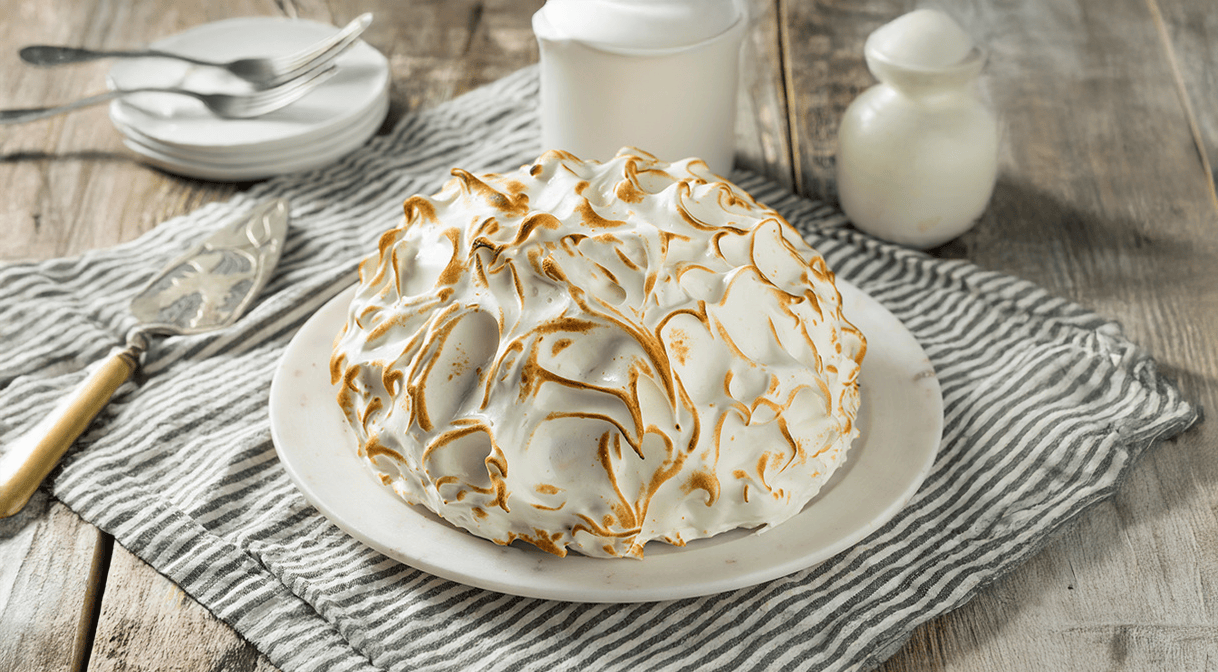
National Baked Alaska Day is observed annually on February 1 and celebrates a dessert that combines theatrical presentation with culinary ingenuity. Baked Alaska is traditionally composed of cake topped with ice cream and sealed in a layer of meringue, then briefly baked or torched so the exterior browns while the interior remains frozen.
The origins of Baked Alaska are rooted in nineteenth-century experimentation with temperature, insulation, and food science. Early forms of the dessert appeared in Europe, where chefs explored the insulating properties of egg whites. The concept demonstrated that air trapped within whipped meringue could protect cold ingredients from heat for short periods.
The dessert became closely associated with the United States in the late 1800s, when it was popularized under the name “Baked Alaska.” The name reflected national pride tied to the recent acquisition of Alaska, using culinary spectacle to symbolize contrast between fire and ice.
National Baked Alaska Day recognizes this intersection of science, symbolism, and showmanship in culinary history.
Baked Alaska occupies a unique place in dessert culture because it challenges intuitive expectations. The idea of placing ice cream into a hot oven initially appears contradictory, yet the dessert succeeds through controlled technique and understanding of insulation.
Culturally, Baked Alaska became associated with formal dining and celebration. Its preparation often occurred tableside or was presented as a dramatic finale, reinforcing the role of dessert as performance rather than sustenance.
The dessert also reflects a period when culinary innovation was closely linked to scientific curiosity. Demonstrating physical principles through food elevated cooking into both entertainment and education.
National Baked Alaska Day highlights how cuisine can serve as both nourishment and intellectual display.
National Baked Alaska Day remains relevant because it represents creativity grounded in technique rather than novelty alone. While modern desserts continue to evolve, Baked Alaska endures as an example of timeless culinary problem-solving.
The observance also encourages appreciation for classical methods that influenced contemporary gastronomy. Understanding how chefs historically manipulated temperature and texture informs modern experimentation.
In an era where food is frequently shared visually, Baked Alaska retains its impact as a dramatic, recognizable form.
The day matters because it celebrates a dessert that proves imagination and knowledge can coexist on the plate.
