National Banana Cream Pie Day
March 2, 2027

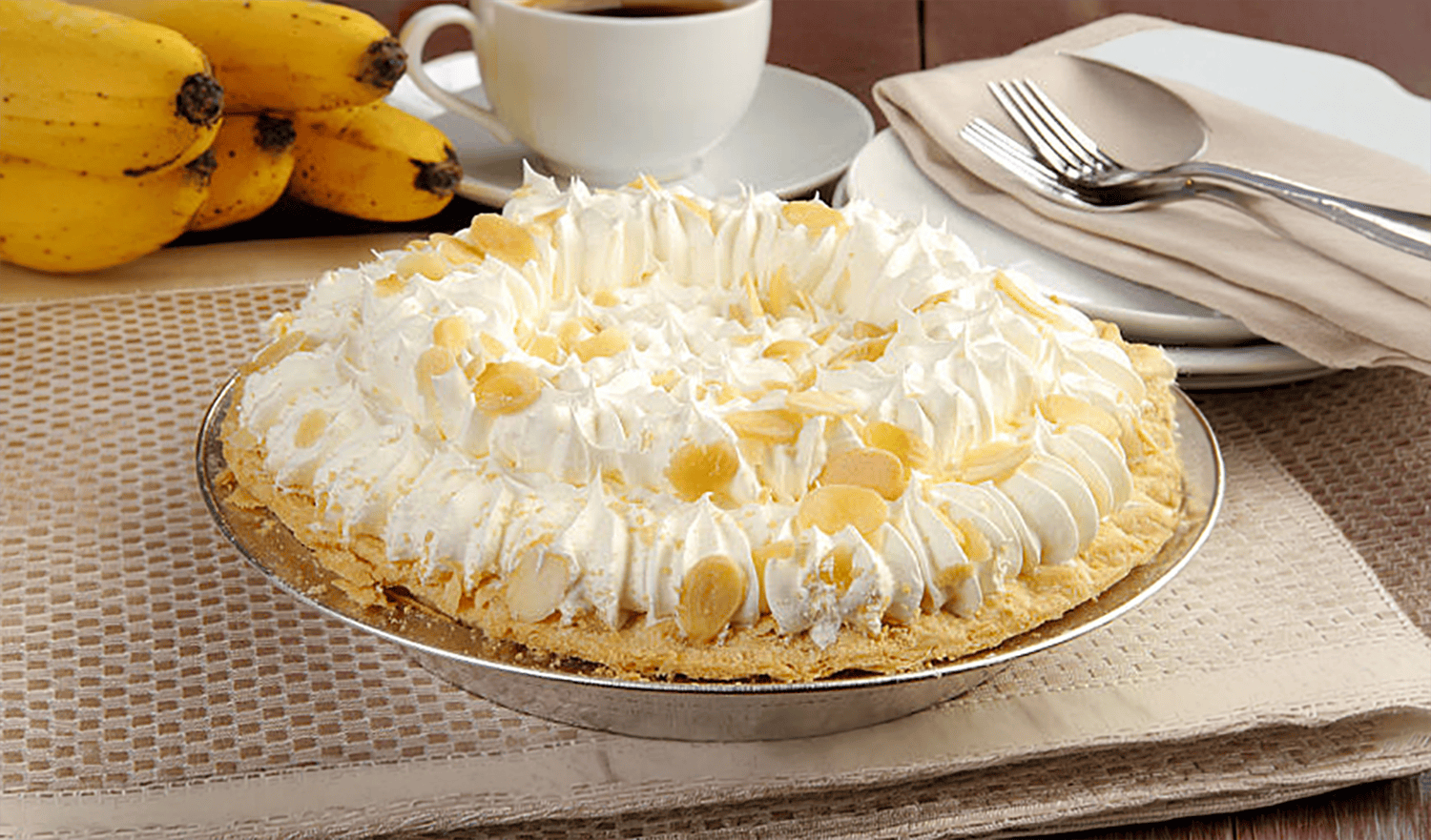
National Banana Cream Pie Day is observed annually on March 2 and celebrates a dessert built on layered textures and a global ingredient story. National Banana Cream Pie Day highlights how bananas, dairy, sugar, and pastry became linked through trade, refrigeration, and the American tradition of cream pies that matured in the twentieth century.
Bananas are not native to North America, and their presence in American desserts depends on international agriculture and shipping. Bananas originated in Southeast Asia and spread through trade and cultivation to other tropical regions. Large-scale banana importation to the United States accelerated in the late nineteenth and early twentieth centuries, making the fruit broadly accessible and affordable.
The ingredient microhistory that defines banana cream pie is custard, a dairy-and-egg system that requires controlled heat and stable refrigeration. Custard traditions existed in European cooking for centuries, but the widespread adoption of cream pies in the United States expanded when dairy supply chains and home refrigeration improved, making chilled desserts safer and easier to store.
Pastry shells also reflect milling and fat history. Improved flour consistency and the availability of refined fats contributed to reliable crusts. Later, the popularity of crumb crusts and pre-baked shells reduced labor and increased accessibility, changing who could make a banana cream pie and how often it appeared at gatherings.
Migration and cultural exchange shaped cream pie traditions across the United States. Regional diners, church suppers, and family celebrations normalized chilled pies as social desserts. Banana cream pie became prominent because it combined a familiar custard base with a fruit that felt both everyday and faintly luxurious due to its imported origin.
National Banana Cream Pie Day reflects this convergence of global fruit trade, domestic dairy infrastructure, and American dessert culture. It celebrates a pie whose identity depends on balance between sweetness, aroma, and the soft structure of ripe banana slices suspended in cream.
National Banana Cream Pie Day highlights how cream pies function as social desserts. They are often associated with diners, potlucks, and holiday tables, where presentation matters but slicing and serving must remain easy. The pie format creates reliable portions and supports make-ahead preparation, both important in communal contexts.
Agriculturally, banana cream pie depends on two large systems: tropical fruit cultivation and dairy production. Banana supply chains are sensitive to weather, disease pressure, and shipping logistics. Dairy depends on cold storage, transport, and stable feed supply. A chilled pie that feels simple on the plate is, in reality, the product of complex infrastructure.
Technological inflection points made banana cream pie more common. Refrigeration enabled safe storage of custard-based fillings. Packaged pudding mixes and stabilized whipped toppings further reduced barriers to entry, allowing households to produce consistent results without advanced technique. This created a wide range of banana cream pie “styles,” from scratch custard to convenience-based versions.
Regional comparisons reveal different identities. Some banana cream pies emphasize cooked custard and meringue. Others emphasize whipped cream and vanilla pudding. Some use flaky pastry; others use crumb crusts that add a toasted, crunchy base. These differences reflect local preferences and historical access to ingredients and equipment.
A misconception worth correcting is that banana cream pie is an old-world tradition. It is more accurately a modern American synthesis built on older components. Bananas became broadly accessible relatively late, and cream pie popularity tracks with twentieth-century refrigeration and packaged ingredient growth. Treating it as ancient obscures its true origin story, which is industrial and social.
Economic resilience also appears in the dessert’s adaptability. When fresh fruit is expensive, smaller amounts of banana can still provide aroma and identity. When eggs are scarce or costly, pudding mixes substitute. These substitutions may change culinary character, but they preserve the pie’s cultural role as an approachable, shareable dessert.
Late 19th to early 20th century: Banana importation expands in the United States, increasing affordability and availability.
Early 20th century: Cream pies become more common as dairy distribution and urban bakery culture grow.
Mid 20th century: Household refrigeration becomes widespread, enabling safer storage of custard and cream desserts.
Mid to late 20th century: Packaged pudding mixes and stabilized whipped products popularize simplified banana cream pie methods.
Late 20th century: Diners and restaurants reinforce banana cream pie as a menu staple and nostalgia anchor.
21st century: Artisan bakeries revive scratch custards, high-quality vanilla, and butter crusts while retaining the classic flavor identity.
Present day: Supply chain shifts in bananas and dairy influence pricing and availability, shaping how households adapt the dessert.
National Banana Cream Pie Day matters today because it highlights how modern desserts depend on infrastructure that people rarely notice. Bananas arrive through international logistics. Dairy and eggs rely on cold storage and stable farming systems. A chilled pie in a refrigerator reflects a world of coordinated food technology.
Sensory anthropology explains why banana cream pie remains popular. The aroma of ripe banana, the cool sweetness of custard, and the soft contrast between slices and cream create a gentle, nostalgic sensory profile. It feels less intense than chocolate-heavy desserts, which makes it broadly appealing across age groups and gatherings.
Modern culinary trends continue to reinterpret the pie. Some versions reduce sugar, emphasize real vanilla, or incorporate caramel notes. Others use thicker crusts or different banana varieties. These changes demonstrate the pie’s flexibility, but the core identity remains: bananas, cream, and a sliceable structure.
Misconceptions about banana cream pie as mere convenience dessert overlook the skill involved in scratch custard and stable whipped cream. National Banana Cream Pie Day can honor both approaches without pretending they are identical. One reflects technique; the other reflects accessibility.
Economic resilience remains part of the story. Banana cream pie can be made with minimal equipment and served to many people, which fits the practical logic of communal desserts. It also adapts to ingredient price swings through substitution, maintaining cultural continuity even when conditions change.
National Banana Cream Pie Day matters because it honors a dessert that captures twentieth-century American food history: global fruit, domestic dairy, refrigeration culture, and the social ritual of sharing pie.

