National Banana Day
April 15, 2028

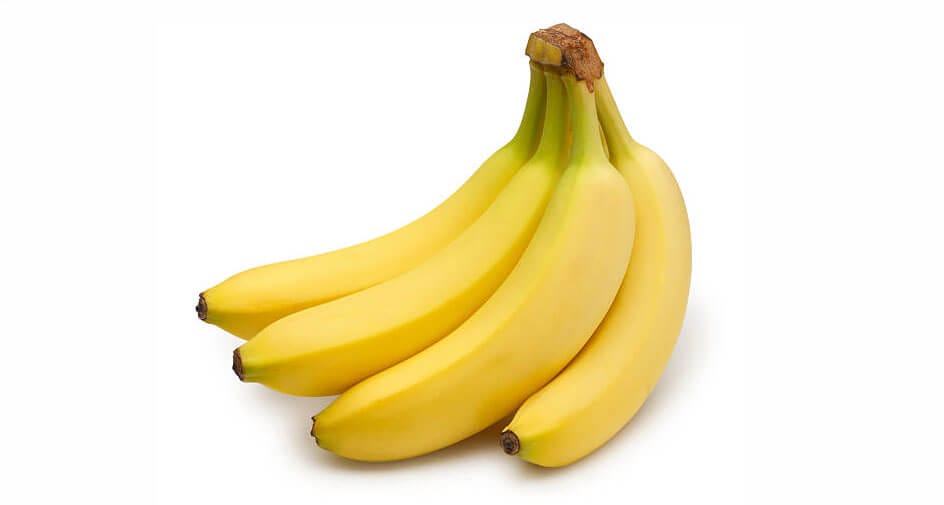
National Banana Day, observed annually on April 13th throughout the United States, celebrates the world’s most popular fruit and America’s most consumed fresh fruit despite bananas being entirely imported, requiring tropical climates unavailable in mainland United States. This food holiday honors a fruit that transformed from exotic luxury to everyday staple through dramatic agricultural industrialization, global trade development, and corporate power that made inexpensive bananas ubiquitous in American supermarkets year-round. Unlike celebrations focused on regional or seasonal foods, National Banana Day recognizes globally sourced commodity whose availability reflects complex international supply chains, labor systems, and corporate agriculture rather than local production or seasonal harvest. The observance falls within the broader category of fruit-specific holidays building awareness about particular crops and their nutritional, economic, and cultural significance. The timing in mid-April coincides with no particular banana production milestone, as tropical climates enable continuous year-round production unlike temperate fruits with distinct seasons. Whether eaten fresh as portable snacks, blended into smoothies, baked into bread, or enjoyed in countless other preparations, bananas represent modern food system’s ability to deliver consistent, affordable products from distant origins while raising important questions about agricultural sustainability, labor practices, and economic systems sustaining global commodity trade.
Bananas originated in Southeast Asia and the South Pacific where indigenous peoples domesticated wild species thousands of years ago. Portuguese explorers encountered bananas in Africa during the 15th century and introduced them to Caribbean islands and Central America, regions whose tropical climates proved ideal for cultivation. These introduced bananas remained local subsistence crops rather than commercial commodities until the late 19th century when improved shipping, refrigeration technology, and corporate organization enabled long-distance trade transforming bananas from regional specialty to global commodity.
The United Fruit Company, formed in 1899 through merger of Boston Fruit Company and other operations, pioneered modern banana industry through vertical integration controlling production, shipping, and distribution. The company acquired vast land holdings in Central American countries including Guatemala, Honduras, and Costa Rica, establishing massive plantations producing bananas for North American markets. This corporate dominance over entire national economies earned Central American countries the derisive label “banana republics,” regions where foreign fruit companies wielded power exceeding national governments.
The Gros Michel banana variety dominated commercial production through the early 20th century until Panama disease, a soil-borne fungus, devastated plantations worldwide beginning in the 1950s. The industry scrambled to find disease-resistant alternative, settling on Cavendish variety that became and remains the predominant commercial banana despite inferior flavor compared to Gros Michel. This varietal monoculture created vulnerability to new disease threats including Tropical Race 4 Panama disease currently spreading through banana-producing regions and threatening commercial production’s viability.
Banana production’s labor intensity and remote tropical locations created worker exploitation including low wages, dangerous working conditions, suppressed unionization, and inadequate housing that persisted through decades of international criticism. Worker strikes and labor activism met violent suppression sometimes involving American military intervention protecting corporate interests. These historical patterns established power dynamics and labor practices affecting banana industry to present day despite reforms and certification programs attempting to address most egregious abuses.
National Banana Day’s specific establishment date and founding organization remain unclear, following patterns of many contemporary food holidays that emerge through grassroots enthusiasm and social media rather than formal organizational initiatives. The observance likely gained recognition in the early 21st century as fruit-specific celebrations proliferated. The April 13th date appears arbitrary, with no connection to banana harvests that occur year-round or significant industry milestones.
American banana consumption increased dramatically through the 20th century as prices dropped, availability expanded, and marketing positioned bananas as healthy, convenient food suitable for children, athletes, and health-conscious consumers. The standardized yellow Cavendish banana became ubiquitous in American supermarkets, with consistent size, shape, and ripening patterns making it reliable purchase unlike other fruits with significant quality variation. This reliability built consumer trust and habitual purchasing that made bananas America’s top-selling fresh fruit.
Nutritional research highlighting bananas’ potassium content, vitamin B6, and dietary fiber strengthened health positioning and encouraged consumption for athletic performance and general wellness. The association between bananas and athletic recovery became particularly strong, with bananas appearing at marathon finish lines and tennis matches as quick-energy foods. These health attributes, real and perceived, supported banana consumption beyond simple preference or convenience.
The organic and fair trade movements of the 1990s and 2000s brought increased scrutiny to banana production practices and labor conditions. Certification programs including Fair Trade and Rainforest Alliance attempted to address worker exploitation and environmental degradation through independent monitoring and premium prices benefiting workers and sustainable practices. These certifications captured niche markets but remained small fraction of overall banana trade dominated by conventional production.
Recent years have brought growing awareness about banana industry’s environmental impacts including deforestation for plantation expansion, intensive pesticide and fungicide use contaminating water and harming ecosystems, and plastic pollution from bags protecting developing fruit bunches. Climate change threatens banana production through changing rainfall patterns, increased storm intensity, and disease spread, creating uncertainty about long-term viability of current production systems.
National Banana Day matters because it creates opportunities to educate consumers about global supply chains, labor conditions, and environmental impacts sustaining everyday food availability that many take for granted. Bananas’ journey from tropical plantations to American supermarkets involves complex logistics, refrigerated shipping, corporate coordination, and labor systems that remain invisible to most consumers who simply purchase convenient yellow fruit without considering production context. The observance can illuminate these systems while encouraging informed purchasing decisions.
The celebration promotes awareness about fair trade and organic banana options that attempt to address conventional production’s most problematic practices. While these alternative bananas cost more, price differences reflect truer costs including living wages for workers, environmental protection, and sustainable practices that conventional production externalizes onto workers and environments. National Banana Day provides occasions to explain these economic realities while encouraging consumers who can afford premium prices to choose certified bananas supporting better practices.
From nutritional perspective, National Banana Day highlights affordable fruit providing essential nutrients accessible across income levels. Bananas’ low cost relative to other fresh fruits makes them dietary staple for low-income families seeking nutritious options on limited budgets. This accessibility serves important public health function by providing vitamins, minerals, and fiber contributing to recommended fruit consumption. The observance can celebrate this nutritional democracy while acknowledging that low prices sometimes reflect exploitation of workers and environments producing cheap food.
The holiday encourages creative banana consumption beyond simple fresh eating through recipes utilizing overripe fruit in baking, smoothies, or frozen treats rather than discarding imperfect bananas. This waste reduction aligns with sustainability values while demonstrating that bananas retain usefulness throughout ripening stages despite cultural preference for yellow fruit over browned varieties. Banana bread, smoothies, and frozen banana desserts all provide outlets for fruit that might otherwise waste.
National Banana Day also matters for supporting research and agricultural development addressing threats to banana production including Panama disease, climate change impacts, and monoculture vulnerabilities. Maintaining banana availability requires developing disease-resistant varieties, implementing sustainable production practices, and potentially transitioning away from Cavendish monoculture toward greater varietal diversity. Consumer awareness about these challenges can build support for research funding and industry reforms necessary to sustain banana production long-term. By celebrating bananas while honestly addressing labor exploitation, environmental degradation, and agricultural sustainability challenges sustaining their production, National Banana Day demonstrates that food holidays can promote both enjoyment and critical awareness, encouraging consumers to appreciate bananas’ nutritional value and convenience while considering ethical implications of purchasing decisions and supporting systems attempting to address conventional production’s most harmful aspects.

