National Bean Day
January 6, 2027

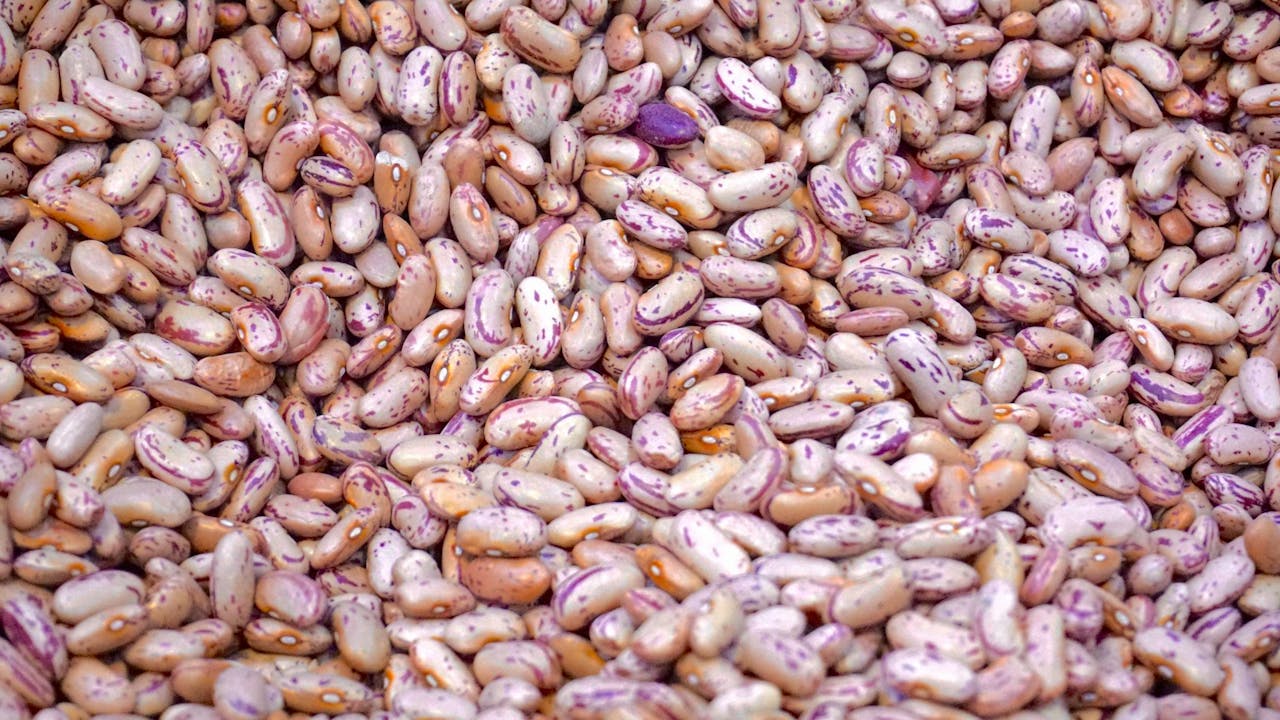
Beans are among the oldest cultivated foods in human history, and their relationship with civilization runs deep. Archaeological discoveries show that humans were eating beans as far back as 9,000 years ago in what is now Mexico. Evidence of fava beans has been found in ancient Egyptian tombs and Greek settlements, indicating their importance across early societies. Long before industrial agriculture, beans provided a reliable source of nourishment that could be grown, dried, stored, and transported with relative ease.
All beans belong to the legume family, a group of plants with a remarkable agricultural advantage. Legumes form a symbiotic relationship with nitrogen fixing bacteria in their root systems. These bacteria convert atmospheric nitrogen into a form plants can use, enriching the soil naturally. This process allowed early farmers to rotate crops and maintain soil fertility without synthetic inputs. In many traditional farming systems, beans were planted alongside grains such as corn or wheat, creating balanced fields that supported long term food production.
As civilizations developed, beans became embedded in regional cuisines. Indigenous cultures across the Americas relied on beans as a dietary cornerstone, often pairing them with corn and squash in what is known as the Three Sisters planting system. In Europe, beans appeared in rustic stews and peasant dishes that emphasized sustenance and economy. In the Middle East, chickpeas were transformed into hummus and falafel. In South Asia, lentils became the base of dhal, a daily staple for millions. Across continents, beans adapted to local climates and cooking traditions, proving their versatility and resilience.
National Bean Day on January 6 recognizes not only the bean as food, but also its broader contribution to agriculture, culture, and survival. The date coincides with the birthday of Gregor Mendel, whose work with pea plants revealed the basic principles of genetics. His experiments underscored how much insight can come from studying humble plants, a fitting parallel to the bean itself.
Beans remain as relevant today as they were thousands of years ago. Nutritionally, they are dense and efficient. Beans provide plant based protein, complex carbohydrates, dietary fiber, iron, potassium, and folate. This combination supports heart health, stabilizes blood sugar, aids digestion, and promotes satiety. For people reducing meat consumption or following vegetarian and vegan diets, beans offer a complete and affordable protein source when paired thoughtfully with grains.
From an environmental perspective, beans are a cornerstone of sustainable food systems. They require fewer resources than animal protein, produce lower greenhouse gas emissions, and improve soil health rather than depleting it. As climate concerns shape global agriculture, beans offer a scalable solution that supports both human nutrition and ecological balance.
Despite their benefits, beans are often misunderstood. Some people avoid them due to concerns about digestive discomfort. In reality, proper preparation makes a significant difference. Soaking dried beans, discarding the soaking water, and cooking them thoroughly reduces naturally occurring compounds that can cause gas. Traditional cooking practices also offer solutions. Herbs such as epazote, cumin, fennel, and bay leaf have long been used to improve digestibility. These methods reflect generations of knowledge passed down through cooking cultures.
Modern grocery stores now carry a wide array of beans, from familiar black, pinto, and kidney beans to heirloom varieties like Anasazi, cranberry, and scarlet runner beans. Each variety has its own texture, flavor, and ideal use. Learning how to cook different beans opens the door to more diverse and satisfying meals while reducing reliance on processed foods.
National Bean Day offers a practical and approachable way to engage with food history and everyday cooking. One of the simplest ways to celebrate is to cook beans from scratch. Soaking dried beans overnight and simmering them slowly allows their flavor and texture to fully develop. A pot of beans can become soup, salad, chili, stew, or a base for countless meals throughout the week.
The day is also an opportunity to explore global bean dishes. Try a Tuscan white bean stew with olive oil and rosemary, a pot of Cuban black beans with citrus and garlic, a lentil curry scented with turmeric and ginger, or a chickpea salad dressed with lemon and tahini. Each dish reflects a different culture’s relationship with the same humble ingredient.
For those interested in food education, National Bean Day is a chance to learn about crop rotation, soil health, and sustainable farming practices. Supporting farmers who grow dry beans, purchasing heirloom varieties, or learning about indigenous agricultural systems deepens appreciation for how beans connect food, land, and culture.
Ultimately, National Bean Day honors a food that has quietly sustained humanity across centuries. Beans are affordable, nourishing, adaptable, and rooted in tradition. By cooking and sharing them, we participate in a lineage that stretches back to the dawn of agriculture and continues to shape a more resilient food future.