National Beer Day
April 7, 2026

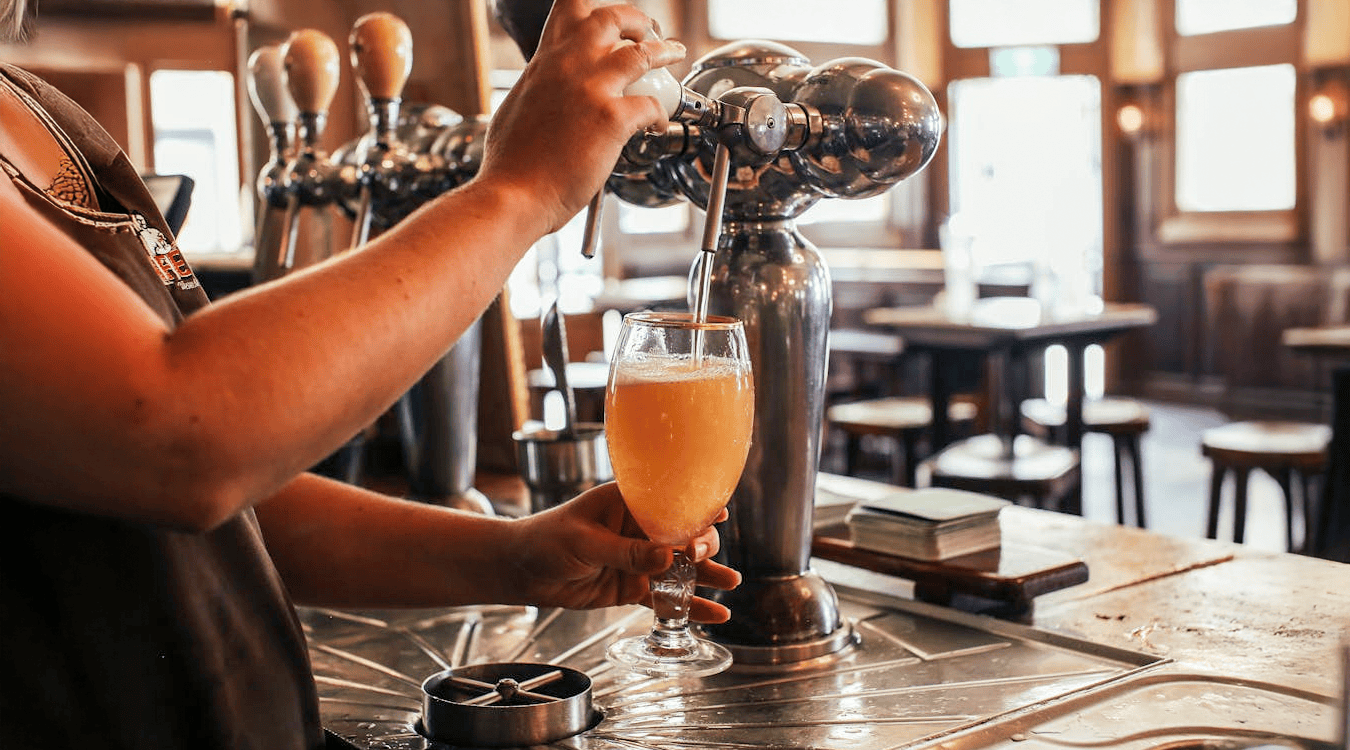
National Beer Day, observed annually on April 7th throughout the United States, commemorates the date in 1933 when the Cullen-Harrison Act took effect, legalizing the sale of beer with 3.2% alcohol by weight after thirteen years of Prohibition that had outlawed alcoholic beverage production and sales. This historical observance celebrates not just beer itself but American freedom, the end of failed social policy, and the restoration of brewing industry that had been integral to American economic and social life before Prohibition. Unlike purely celebratory food and drink holidays, National Beer Day carries historical significance marking specific legislative achievement and cultural turning point. The observance falls within the broader category of beverage-specific holidays that honor particular drinks and their cultural roles. The timing on April 7th permanently anchors the celebration to this historical date rather than floating across calendar months. Whether enjoying craft brewery innovations, classic American lagers, or imported styles from global brewing traditions, National Beer Day invites appreciation for beer’s complexity, cultural importance, and the brewing craftsmanship that creates diverse flavors from basic ingredients of water, malt, hops, and yeast.
The Eighteenth Amendment to the United States Constitution, ratified in 1919, prohibited the manufacture, sale, and transportation of alcoholic beverages beginning in 1920. This constitutional change represented culmination of decades-long temperance movement advocacy driven by concerns about alcohol’s social costs including domestic violence, poverty, and public health problems. Prohibition supporters believed eliminating alcohol access would reduce crime, strengthen families, and improve American moral character, creating better society through legislative enforcement of sobriety.
Prohibition’s actual effects contradicted these optimistic predictions in numerous ways. The amendment created massive illegal alcohol industry controlled by organized crime syndicates that gained unprecedented power and wealth through bootlegging operations. Speakeasies proliferated in cities, providing illegal drinking establishments that often sold dangerous adulterated alcohol causing blindness, poisoning, and death. Law enforcement corruption became endemic as police officers and officials accepted bribes to ignore illegal operations. Tax revenue from legal alcohol sales disappeared precisely when government funding needs increased during the Great Depression.
The brewing industry, which had been major American economic force employing thousands and generating substantial tax revenue, collapsed virtually overnight. Established breweries closed, workers lost jobs, and agricultural producers who grew hops and barley lost crucial markets. Some breweries survived by producing near-beer (non-alcoholic malt beverages), soft drinks, or other legal products, but many simply shuttered operations permanently. The economic devastation extended beyond breweries to suppliers, distributors, tavern owners, and related businesses throughout alcohol supply chains.
The Cullen-Harrison Act, signed by President Franklin Roosevelt in March 1933, allowed sale of beer and wine with alcohol content up to 3.2% by weight (approximately 4% by volume) beginning April 7, 1933. This legislation predated full Prohibition repeal through the Twenty-First Amendment in December 1933, providing interim relief to brewing industry and generating immediate tax revenue for Depression-strapped government. Roosevelt famously remarked upon signing the legislation that he thought “this would be a good time for a beer,” capturing popular enthusiasm for Prohibition’s impending end.
National Beer Day as formal observance emerged relatively recently despite the historical significance of April 7, 1933. The specific establishment of the holiday remains somewhat unclear, though beer enthusiast and homebrewer Justin Smith is credited with creating a National Beer Day Facebook page in 2009 that helped popularize the observance. The holiday gained recognition through social media spread, brewery participation, and beer enthusiast communities rather than government proclamation or industry organization initiative. This grassroots development reflects contemporary pattern of food and beverage holidays emerging through digital platforms and enthusiast networks.
The American brewing landscape transformed dramatically in recent decades through craft brewing revolution that began in the 1970s and accelerated through the 2000s. Fritz Maytag’s 1965 purchase of San Francisco’s Anchor Brewing Company is often cited as craft brewing’s beginning, though significant expansion occurred after 1979 when President Carter signed legislation legalizing homebrewing, spurring experimentation that led many homebrewers to launch commercial operations.
The 1990s and 2000s brought explosive craft brewery growth as American brewers experimented with hop-forward styles, barrel aging, sour fermentation, and creative ingredients that challenged European brewing traditions. The number of American breweries increased from approximately 1,500 in 2007 to over 9,000 by 2020, representing unprecedented diversity in beer styles and brewing approaches. This growth created jobs, revitalized downtown areas, and positioned American craft beer as global quality leader.
The 2010s saw craft beer reach mainstream acceptance with major beer corporations acquiring successful craft breweries and launching craft-inspired brands. This consolidation sparked debates about authenticity and independence in craft brewing culture, though overall growth continued. The rise of taprooms and brewery tourism created new business models emphasizing direct-to-consumer sales and experiential drinking rather than traditional distribution through retailers and bars.
Recent trends include increased focus on low-alcohol session beers, non-alcoholic craft beer development, hard seltzers as beer alternatives, and sustainability initiatives around water use, energy consumption, and waste reduction. These trends demonstrate brewing industry adaptability to changing consumer preferences and environmental awareness while maintaining core commitment to quality and flavor.
National Beer Day matters because it commemorates important lessons about government overreach, unintended policy consequences, and the limits of legislating personal behavior. Prohibition’s failure demonstrated that criminalizing widely practiced activities creates more problems than it solves, driving consumption underground rather than eliminating it while empowering criminal enterprises and corrupting law enforcement. These historical lessons remain relevant for contemporary policy debates around drug prohibition, gambling restrictions, and other attempts to control personal choices through legal sanctions.
The observance celebrates American brewing industry’s economic contributions including job creation, tax revenue generation, agricultural market support, and tourism development. The craft brewing renaissance has created thousands of small businesses supporting hundreds of thousands of jobs while revitalizing communities, particularly in post-industrial cities where breweries anchor downtown redevelopment. These economic benefits extend beyond breweries themselves to restaurants, hotels, tour operators, and related businesses throughout beer tourism ecosystems.
From a cultural perspective, National Beer Day recognizes beer’s social importance as beverage that brings people together across socioeconomic classes and cultural backgrounds. Unlike wine’s association with sophistication or spirits’ connection to celebration or solitary drinking, beer occupies democratic middle ground accessible to diverse populations. Sharing beer facilitates conversation, builds community, and marks celebrations from casual backyard gatherings to formal events. This social function makes beer culturally significant beyond simple intoxication.
The holiday supports brewing as craft requiring skill, knowledge, and artistry to execute successfully. Brewing combines science and art, demanding understanding of microbiology, chemistry, and engineering alongside sensory evaluation skills and creative vision. National Beer Day provides opportunities to educate consumers about brewing complexity, encouraging appreciation for brewers’ expertise and the work required to produce quality beer. This education builds consumer sophistication that supports quality-focused breweries over industrial producers prioritizing cost reduction over flavor.
National Beer Day also encourages responsible drinking and awareness of alcohol’s health impacts when consumed excessively. While celebrating beer and its cultural importance, the observance can acknowledge that alcohol misuse causes serious individual and social problems including addiction, health deterioration, and impaired decision-making leading to accidents and violence. Promoting moderate, mindful consumption rather than excessive drinking honors beer itself while respecting its power and potential for harm when abused. By commemorating Prohibition’s end while acknowledging lessons about both policy failures and alcohol’s genuine risks, National Beer Day facilitates nuanced conversations about freedom, regulation, personal responsibility, and public health that avoid simplistic prohibitionist or libertarian extremes.
