National Bird Day
January 5, 2028

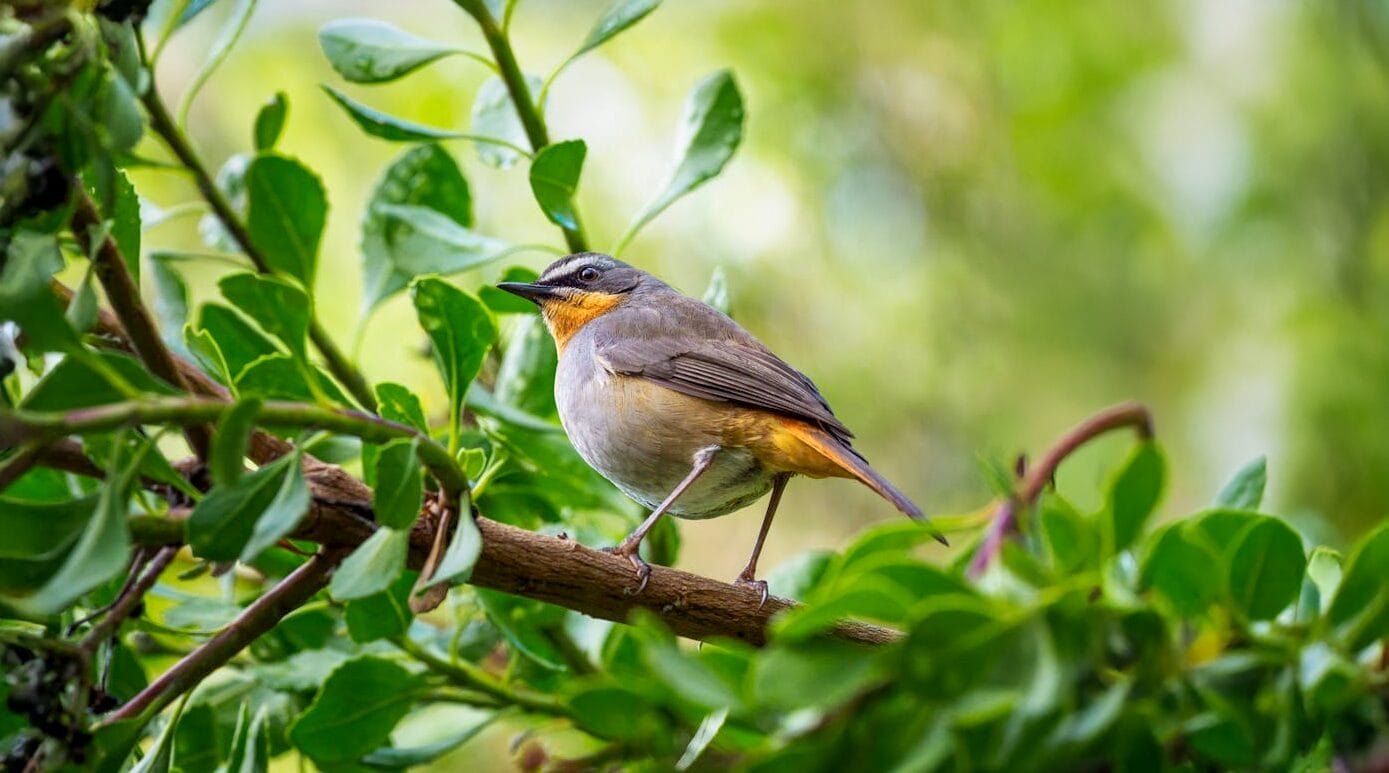
National Bird Day is observed annually on January 5 and was established in 2002 by the Avian Welfare Coalition, an alliance of organizations dedicated to the protection and ethical treatment of birds. The holiday was created in response to growing concerns about the treatment of birds both in captivity and in the wild, particularly the rise of the exotic pet trade and the decline of native bird populations.
Unlike many awareness days rooted in symbolic celebration, National Bird Day emerged from advocacy. Its founders sought to create a moment that would draw attention to birds as sentient, ecologically essential animals rather than decorative pets or commodities. The early 2000s saw increasing scrutiny of the bird trade, including the capture of wild parrots and songbirds for commercial sale, practices that contributed to population collapse in some regions.
Birds have long held a place in human history and imagination. From ancient myths and religious symbolism to practical roles in agriculture and navigation, birds have been both revered and exploited. However, industrialization, habitat loss, pollution, and climate change dramatically altered human impact on bird populations during the twentieth century. National Bird Day arose as a contemporary response to these pressures, combining education with ethical reflection.
By placing the observance early in the calendar year, organizers emphasized prevention and responsibility rather than reaction. The day was intended not as a celebration of ownership, but as a reminder of stewardship and coexistence.
Birds occupy a unique cultural and ecological position. They serve as pollinators, seed dispersers, pest controllers, and indicators of environmental health. Changes in bird populations often signal broader ecological imbalance. Culturally, birds have symbolized freedom, knowledge, power, and renewal across civilizations, appearing in art, folklore, and national identities.
National Bird Day challenges romanticized views of birds by addressing the ethical consequences of captivity and environmental degradation. While some species can adapt to human care, many birds suffer when removed from their natural habitats. Long lifespans, complex social structures, and high cognitive needs make captivity especially challenging for parrots and other commonly traded species.
The holiday also reframes how society views birds in urban and suburban environments. Window collisions, pesticide use, light pollution, and habitat fragmentation are among the leading causes of bird mortality. National Bird Day encourages awareness of these human-created hazards and promotes coexistence rather than control.
By grounding appreciation in responsibility, the observance shifts focus from birds as objects of beauty to birds as participants in shared ecosystems. This ethical lens aligns with broader movements in conservation that emphasize prevention, habitat protection, and respect for wildlife autonomy.
National Bird Day remains highly relevant as bird populations continue to face significant threats worldwide. Studies over recent decades have documented substantial declines in both common and endangered species, driven largely by human activity. Habitat loss, climate instability, and chemical exposure disproportionately affect birds due to their sensitivity to environmental change.
The observance serves as an educational anchor point, encouraging individuals and communities to take small but meaningful actions. These include supporting habitat conservation, making buildings safer for birds, and reconsidering the ethics of bird ownership. National Bird Day does not prescribe a single solution but instead promotes informed decision-making.
Importantly, the holiday reinforces the idea that conservation is not separate from daily life. Birds exist alongside humans in cities, farms, and neighborhoods, making coexistence unavoidable. National Bird Day matters because it transforms passive admiration into active awareness, reminding society that protecting birds ultimately means protecting the ecosystems humans also depend on.
By framing care for birds as both an ethical and ecological responsibility, the day continues to provide cultural relevance and moral clarity in a rapidly changing world.