National Bison Day
November 1, 2026

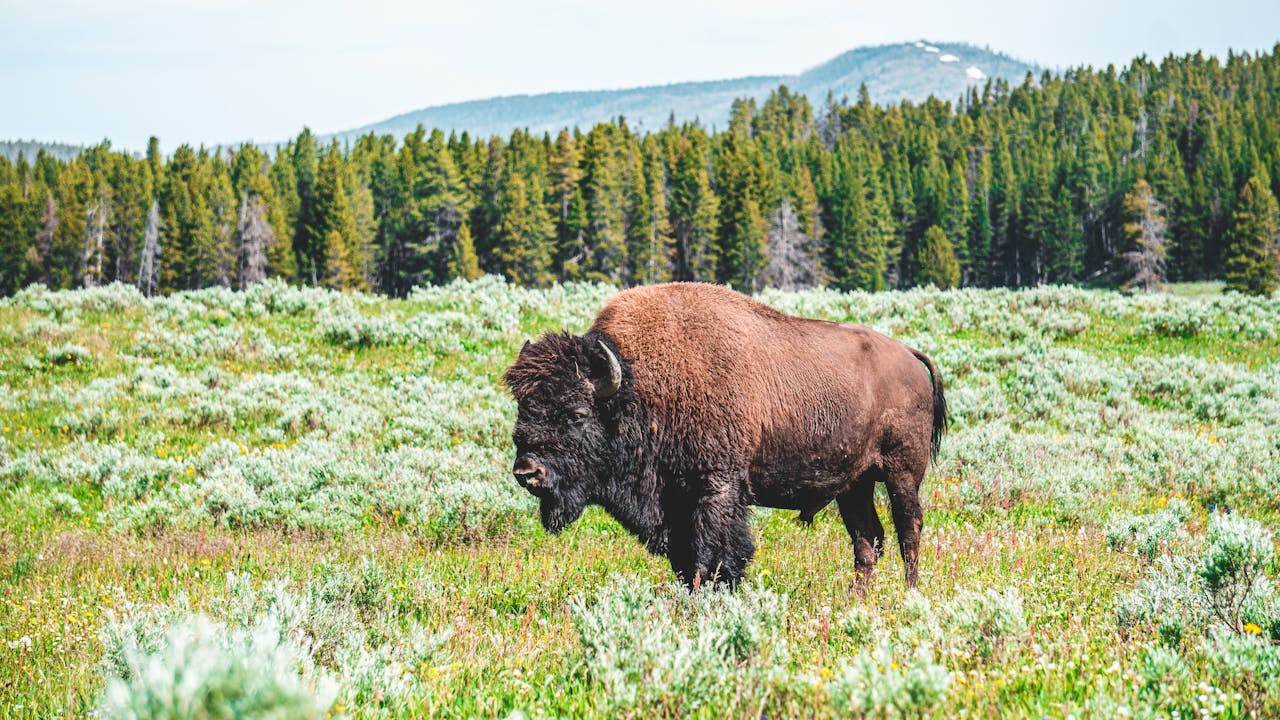
National Bison Day honors one of North America’s most enduring symbols—an animal that has shaped landscapes, nourished nations, and inspired cultures for millennia. Celebrated on the first Saturday of November, the day recognizes the bison’s remarkable comeback from the brink of extinction and celebrates its role in American history, ecology, and identity. Once numbering in the tens of millions, bison roamed from the Great Plains to the Appalachian Mountains, sustaining ecosystems and Indigenous communities alike. Today, they stand as a testament to resilience and stewardship.
For thousands of years, bison were central to the lifeways of many Indigenous peoples, providing food, clothing, shelter, and spiritual meaning. Tribes used every part of the animal, honoring it as a sacred relative rather than a resource. But by the late 19th century, commercial hunting and westward expansion had devastated herds that once covered the plains like dark, moving seas. From an estimated 30–60 million animals, fewer than 1,000 remained by the 1880s. The near-eradication of the bison was both an ecological tragedy and an intentional assault on Indigenous cultures dependent on its presence.
Amid this loss, conservationists, ranchers, and tribal nations fought to bring the bison back. Early efforts by figures like William Hornaday and President Theodore Roosevelt led to protected herds in Yellowstone National Park and private preserves. Over time, coordinated conservation and breeding programs helped the species rebound. In 2016, the bison was officially designated the National Mammal of the United States—joining the bald eagle as an emblem of national pride. Today, over 500,000 bison roam the continent, many managed sustainably on tribal lands and wildlife reserves where cultural and ecological values align.
Bison embody balance between people and the natural world. Their grazing patterns shape grasslands, encouraging plant diversity and providing habitats for countless species. For many Indigenous nations, their recovery is deeply spiritual—a restoration of cultural continuity and ecological harmony. In recent decades, tribal-led initiatives like the InterTribal Buffalo Council have reintroduced bison to Native lands, reconnecting communities to traditional food systems and ceremonial practices. Each shaggy silhouette on the horizon is not just an animal’s return—it’s a story of reclamation.
National Bison Day also highlights the growing movement toward sustainable agriculture. Bison meat, leaner and lower in fat than beef, has become popular among consumers seeking ethical and environmentally conscious protein. Responsible ranchers work to maintain the animal’s natural behaviors—allowing herds to roam freely and graze in patterns that restore prairie health. Supporting these producers is one way to honor both the animal and the landscape it represents. Yet the day is about more than consumption—it’s about awareness, gratitude, and respect for a creature that helped shape a continent.
National Bison Day is a moment to pause and reflect on resilience. It reminds us that with care, cooperation, and respect, restoration is possible. The bison’s journey from near annihilation to national symbol mirrors our own capacity for change. In honoring this animal, we also honor the people and ecosystems intertwined with its history. Its heavy tread once thundered across the plains; now it echoes as a call to stewardship, community, and humility.