National Black Forest Cake Day
March 28, 2026

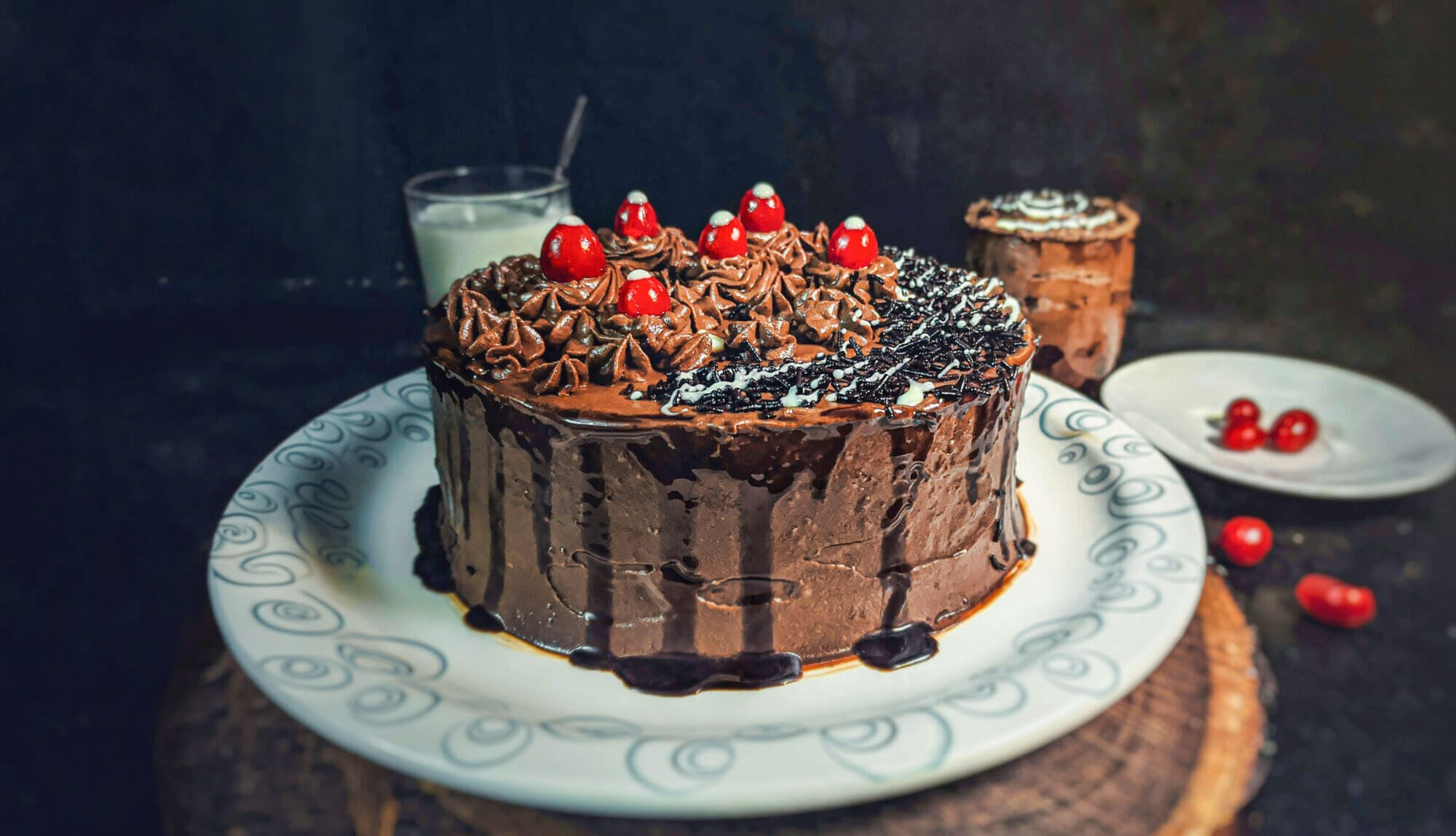
National Black Forest Cake Day celebrates one of the most recognizable layered desserts in European baking, known traditionally as Schwarzwälder Kirschtorte. National Black Forest Cake Day highlights not only the dessert itself, but the regional agricultural systems, distillation practices, and baking techniques that define its identity. While the cake is widely produced around the world, its origins are closely tied to the Black Forest region of Germany, where cherries and cherry brandy play a central role.
The ingredient microhistory behind Black Forest cake begins with sour cherries, particularly varieties suited to Central European climates. These cherries differ from sweet dessert cherries in both flavor and culinary use. Their tartness provides contrast to sugar and cream, making them especially suitable for preserves and layered desserts. In the Black Forest region, cherry cultivation has long supported both food and distillation industries.
Kirschwasser, or kirsch, is another defining component. This clear distilled spirit is produced from fermented cherries and reflects a long-standing regional distillation tradition. Unlike liqueurs, kirsch is not sweet, which allows it to enhance flavor without overpowering the cake’s balance. The inclusion of kirsch is one of the key elements that separates traditional Black Forest cake from simplified adaptations.
Chocolate sponge cake forms the structural base. Unlike dense butter cakes, sponge cakes rely on whipped eggs to create lift and structure. This produces a lighter texture that can absorb moisture from cherries and kirsch without becoming overly heavy. Whipped cream provides the final major component, adding richness and softness between layers.
Migration and global exchange played a major role in spreading Black Forest cake beyond Germany. As European baking traditions moved across continents, the cake was adapted to local tastes and ingredient availability. Some versions replaced kirsch with syrup or omitted alcohol entirely, while others increased sweetness to match local preferences.
National Black Forest Cake Day reflects how a regionally grounded dessert can evolve into a global standard while still retaining key elements of its original identity.
National Black Forest Cake Day highlights the relationship between agriculture and dessert construction. Each major component of the cake originates from a distinct agricultural system. Cherry orchards produce fruit used both directly and for distillation, dairy farming supplies cream, and wheat cultivation provides flour for sponge layers. This combination illustrates how complex desserts often rely on interconnected food systems.
Sensory anthropology helps explain the cake’s enduring appeal. The dessert is structured around contrast. Chocolate provides bitterness and depth, cherries introduce tartness and moisture, cream adds richness and softness, and kirsch contributes subtle aromatic complexity. These elements interact across layers, creating variation in each bite.
Regional comparison is essential for understanding how the cake has changed over time. Traditional German versions are often less sweet and emphasize the presence of kirsch. In contrast, international versions may prioritize sweetness and visual presentation, sometimes at the expense of the original balance.
A common misconception is that the name Black Forest refers only to the appearance of the cake. While the dark chocolate layers and red cherries may evoke the landscape, the name is more closely tied to the region’s cherry production and kirsch distillation practices. This distinction highlights how ingredient origin influences naming.
Technological inflection points also shaped the cake’s development. Refrigeration made it possible to store whipped cream-based desserts safely, while commercial ovens and baking techniques improved consistency in sponge production. These advances allowed the cake to move from regional specialty to international bakery staple.
Economic resilience plays a role as well. Black Forest cake remains a popular choice for celebrations, bakeries, and restaurants, supporting both artisanal bakers and larger-scale producers.
Pre-modern period: Cherry cultivation and distillation traditions develop in the Black Forest region.
19th century: Sponge cake techniques become more refined across European baking.
Early 20th century: Black Forest cake emerges as a defined dessert in Germany.
Mid 20th century: The cake spreads internationally through migration and tourism.
Late 20th century: Commercial bakeries standardize production and introduce variations.
21st century: Artisanal interpretations revisit traditional methods while global versions continue to evolve.
National Black Forest Cake Day matters because it illustrates how regional identity can be preserved within a globally distributed dessert. Even as the cake is adapted, its connection to cherries and kirsch continues to signal its origins.
The holiday also highlights the importance of understanding ingredient context. Recognizing the role of sour cherries and cherry brandy provides deeper insight into the cake’s structure and flavor balance.
Sensory anthropology reinforces its continued popularity through layered texture and contrast, which remain appealing across cultures.
National Black Forest Cake Day also serves as a reminder that desserts are not static. They evolve through migration, adaptation, and changing consumer preferences while maintaining links to their origins.
Economic resilience continues as the cake remains widely produced for celebrations and everyday consumption.
National Black Forest Cake Day matters because it celebrates a dessert that reflects both regional tradition and global adaptation.
