National Booch Day
January 15, 2026

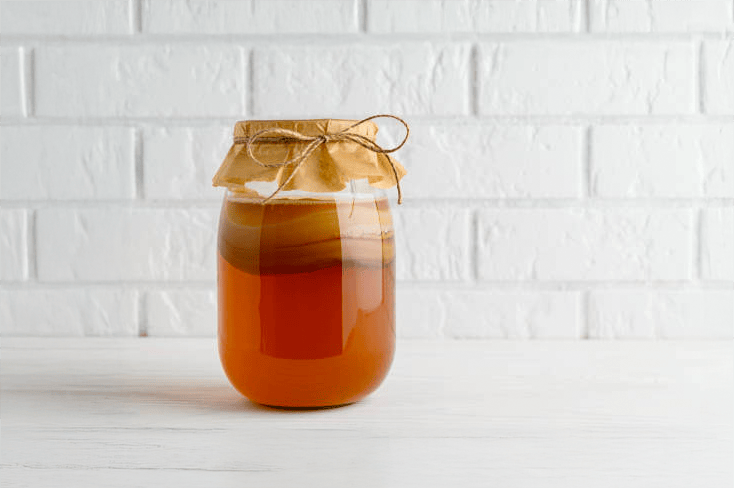
National Booch Day celebrates kombucha, a fermented tea that has moved from ancient tradition to modern wellness staple. Kombucha’s origins are believed to trace back more than 2,000 years to East Asia, where it was consumed for its refreshing taste and perceived health benefits. Early records suggest it may have originated in China during the Qin Dynasty, valued as a tonic that supported digestion and vitality. From there, the practice of fermenting sweetened tea spread along trade routes into Korea, Japan, and eventually Russia and Eastern Europe.
The drink’s defining feature is its fermentation process. Sweetened tea is combined with a symbiotic culture of bacteria and yeast, often called a SCOBY. Over time, the microorganisms consume sugar and produce organic acids, trace alcohol, carbonation, and a range of flavorful compounds. This transformation gives kombucha its tangy taste and natural fizz. Historically, families passed SCOBYs between generations, treating them as living kitchen cultures similar to sourdough starter.
Kombucha’s modern resurgence began in the late twentieth century, particularly in the United States, where interest in fermented foods grew alongside movements focused on gut health and natural living. What was once brewed in home kitchens found its way into farmers markets, health food stores, and eventually mainstream grocery shelves. Today, kombucha is enjoyed worldwide, not only for its potential benefits but also for its versatility and evolving flavor profiles.
Kombucha stands apart from other beverages because it is both crafted and alive. The fermentation process creates a complex drink that balances sweetness, acidity, and effervescence. Organic acids such as acetic and gluconic acid contribute to kombucha’s crisp bite, while naturally occurring probiotics may support digestive health. Although scientific research is ongoing, many people appreciate kombucha as a lower sugar alternative to soda that still delivers a satisfying fizz.
Flavor is another defining characteristic. Traditional kombucha tastes lightly sour with subtle tea notes, but modern brewers experiment extensively. After primary fermentation, many batches undergo a second fermentation with added fruits, herbs, spices, or botanicals. Ginger adds warmth and spice, berries bring sweetness and color, and ingredients like hibiscus or hops introduce floral or bitter notes. This creativity has turned kombucha into a broad category rather than a single taste.
Kombucha also reflects a larger cultural interest in fermentation. Alongside foods like kimchi, yogurt, and sourdough, kombucha highlights how microbes have long played a role in preserving food and enhancing flavor. Brewing kombucha requires patience and care, including temperature control, clean tools, and time. The result is a beverage that feels handcrafted, even when produced at scale, and one that connects drinkers to a tradition rooted in observation and experimentation.
National Booch Day is an invitation to explore kombucha with intention. One way to celebrate is by sampling different styles and flavors, paying attention to how ingredients influence taste and mouthfeel. Compare a classic black tea kombucha with a green tea or herbal base. Notice the difference between fruit-forward blends and those that lean earthy or dry. Tasting with curiosity enhances appreciation for the craft behind each bottle.
For those interested in hands-on learning, the holiday is also a perfect time to try brewing kombucha at home. Home brewing allows for control over sweetness, fermentation time, and flavor additions. It also deepens understanding of how living cultures behave and change. Even without brewing, supporting local kombucha makers helps sustain small producers who prioritize quality, sustainability, and transparency.
National Booch Day can also be a moment to reflect on mindful consumption. Kombucha encourages slower sipping and awareness of flavor rather than quick refreshment. Whether enjoyed as a midday break, a non-alcoholic social drink, or a creative cocktail base, kombucha fits into modern routines without excess. On this day, raise a glass of booch and recognize how an ancient fermented tea continues to adapt, offering balance, complexity, and connection in every sip.
