National Candy Day
November 4, 2026

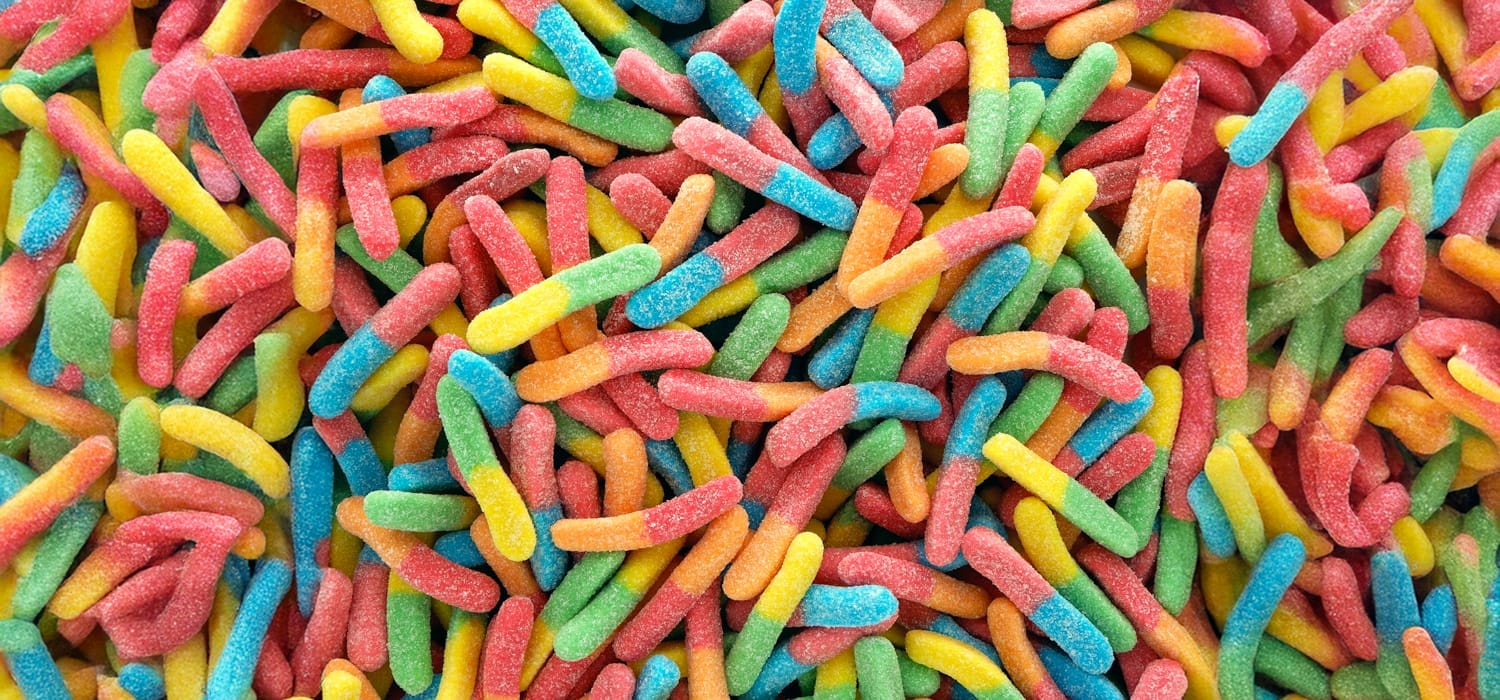
National Candy Day celebrates humanity’s enduring love affair with sugar. Across centuries and civilizations, candy has embodied joy, creativity, and comfort—a simple pleasure that connects us all. Whether it’s the crackle of hard candy, the melt of chocolate, or the sticky pull of caramel, sweets have shaped rituals, economies, and memories around the world. Each November 4, we pause to honor both the artistry and the nostalgia contained in a single piece of candy.
The roots of candy stretch back thousands of years. In India around 500 BCE, people discovered how to crystallize sugarcane juice into portable sweetness called khanda—the origin of the word “candy.” Before refined sugar, ancient cooks boiled honey with nuts or fruit to create early confections, or preserved fruit in syrup to extend its life. Persians and Greeks encountered sugarcane in India and learned to extract sugar; by the 8th century, Arab traders had introduced sugar to Europe.
For centuries, sugar remained rare and precious, used sparingly by apothecaries to make medicinal “sweetmeats.” In medieval Europe, these sugary remedies were luxury items for the wealthy. By the Renaissance, confectioners were sculpting elaborate sugar artworks for royal banquets—symbols of status and opulence. It wasn’t until the Industrial Revolution of the 19th century that mechanized refining made sugar affordable, ushering in the golden age of candy for the masses.
The 1800s gave rise to caramels, toffee, and butterscotch, while the invention of molded chocolate transformed confectionery forever. The 20th century brought candy bars that defined generations: Hershey’s, Reese’s, Milky Way, M&M’s, lollipops, and gummy bears. Each era reflected its tastes and technologies—from penny candies sold in apothecaries to the colorful branding of mid-century chocolate bars. Today, the candy aisle is a global marketplace of nostalgia and innovation, where handcrafted truffles coexist with mass-produced classics.
National Candy Day also invites us to explore the world through sugar. Turkish delight dusted in powdered sugar, Japanese wagashi shaped like cherry blossoms, Mexican tamarind chews that balance sweet and sour, Caribbean coconut drops infused with spice—each confection tells a story about place, climate, and culture. Sweets reveal what each community treasures, from the bitterness of dark cocoa in Europe to the tangy fruit candies of tropical markets. Wherever it’s made, candy carries celebration in its DNA.
Making candy is both chemistry and art. It demands precision—the exact temperature that turns sugar syrup into soft fudge or brittle glass, the delicate timing that creates the perfect chew of caramel or the snap of a chocolate shell. Behind every candy is experimentation, patience, and a touch of wonder. Beyond the kitchen, candy stirs emotion: the shared bag at the movies, the lollipop after a doctor’s visit, the taste that instantly recalls childhood. Sweetness, it turns out, is memory you can taste.
While modern life reminds us to enjoy sugar in moderation, National Candy Day asks us to appreciate its artistry and history. Candy has comforted soldiers, fueled workers, and brightened holidays for generations. It represents ingenuity—the human desire to turn something simple into something joyful. In savoring a piece of candy, we connect not only to our own past but to the long global story of sweetness itself.
