National Cappuccino Day
November 8, 2026

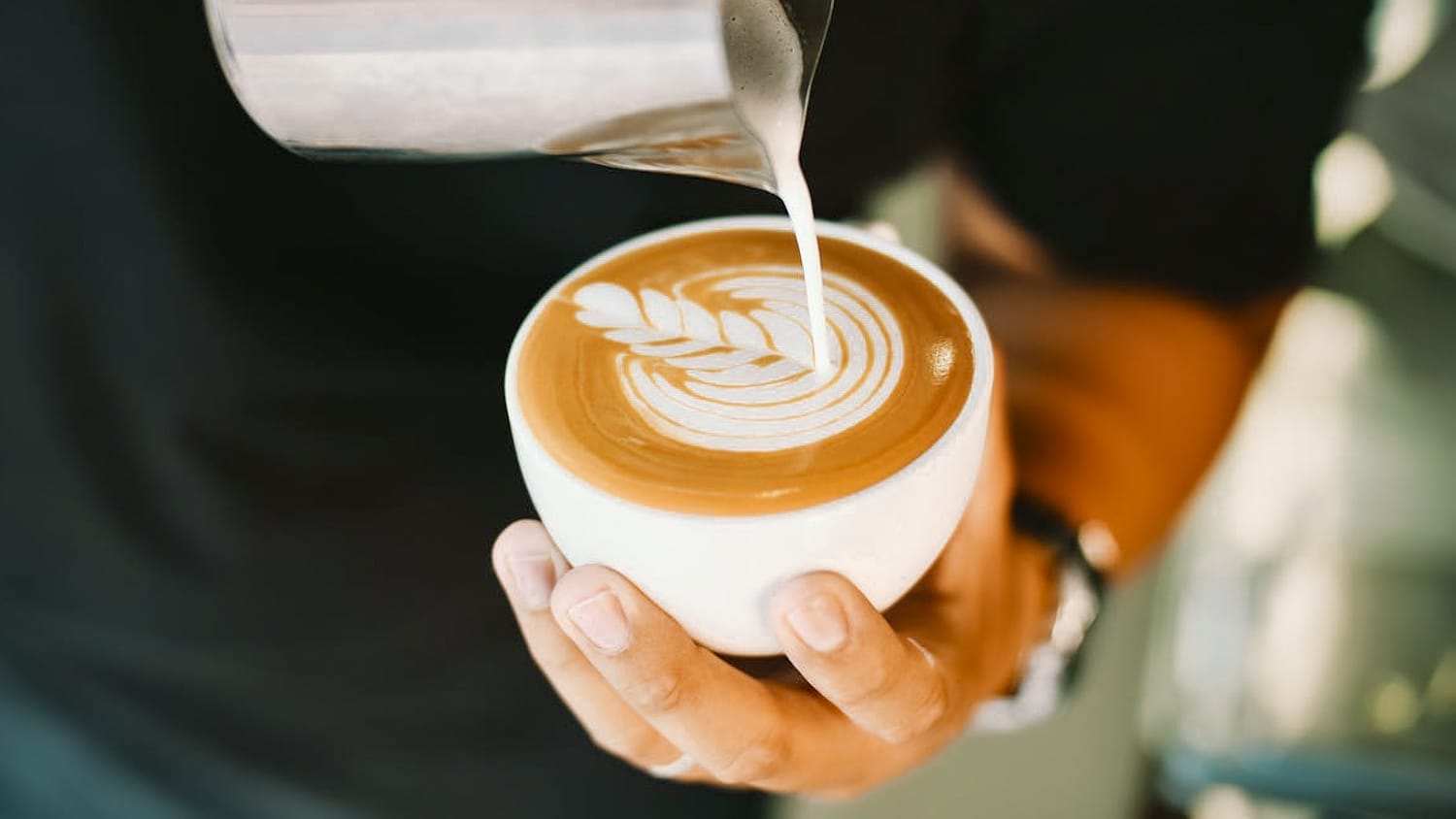
There’s something about the sight of a cappuccino that feels like a small work of art: a perfect rosette drawn in foam, a ceramic cup warm against your palm, steam rising to carry the scent of roasted coffee and sweet milk. Every year on November 8, National Cappuccino Day offers an excuse to indulge in this Italian classic and to reflect on its long history—from monastic legend to modern café culture. It’s a drink that unites invention, ritual, and design in every sip.
One popular story credits a seventeenth-century monk, Marco d’Aviano, with creating the cappuccino after the 1683 Battle of Vienna. According to legend, he softened the bitterness of captured Ottoman coffee with cream and honey and remarked that it was as brown as the robes of his Capuchin order. Historians may doubt the tale, but the association between the coffee and the friars is real. By the early 1800s, Viennese coffee houses were serving a “kapuziner”—a blend of strong coffee, cream, and sugar whose color mirrored the Capuchin habit. Over time, Italian baristas refined the concept into what we now know as the cappuccino: a harmonious trio of espresso, steamed milk, and thick foam in equal parts.
The cappuccino’s evolution is inseparable from the history of espresso technology. In 1901, Milanese inventor Luigi Bezzera patented the first machine to force hot water through finely ground coffee under pressure, cutting brew times from minutes to seconds. Early designs vented too much steam, scalding baristas and beans alike. Then, in the postwar years, engineer Achille Gaggia introduced the lever-powered espresso machine. His innovation raised the pressure to nine atmospheres, producing the hallmark crema—a caramel-colored layer of oils—and allowing milk to be steamed into fine, velvety microfoam. This microfoam became the cappuccino’s crowning glory, transforming coffee preparation into a performance of both science and artistry.
In Italy, cappuccino found its place as a breakfast ritual. Locals stand at the bar, sip their sweet, foamy coffee with a croissant or cornetto, and move briskly into the day. Tradition insists that cappuccino is strictly a morning drink; ordering one after noon marks you as a tourist, a small cultural faux pas rooted in the belief that milk should not follow a meal. But within that morning window, the cappuccino reigns supreme—a gentle balance of caffeine and comfort, foam and fragrance, that embodies Italian conviviality.
When espresso culture crossed the Atlantic, Americans made it their own. In the 1980s, Seattle’s emerging coffee scene embraced the cappuccino as a canvas for creativity. Baristas mastered the art of latte patterns, while café chains introduced flavored versions crowned with whipped cream or seasonal spices. Purists may grumble about pumpkin spice cappuccinos served in paper cups, yet these playful innovations helped popularize espresso drinks worldwide. Today, the cappuccino sits at the crossroads of tradition and reinvention—a testament to how global culture reinterprets a classic without losing its soul.
National Cappuccino Day celebrates both the discipline of Italian coffee craftsmanship and the imagination of those who’ve made it their own. Behind every cup lies centuries of trade, engineering, and cultural exchange. The cappuccino invites us to pause—to savor the harmony of espresso and milk, the artistry of foam, the gentle hum of conversation in a café. It’s a drink that connects us to history and to one another, reminding us that comfort can be both simple and sublime.