National Caramel Day
April 5, 2026

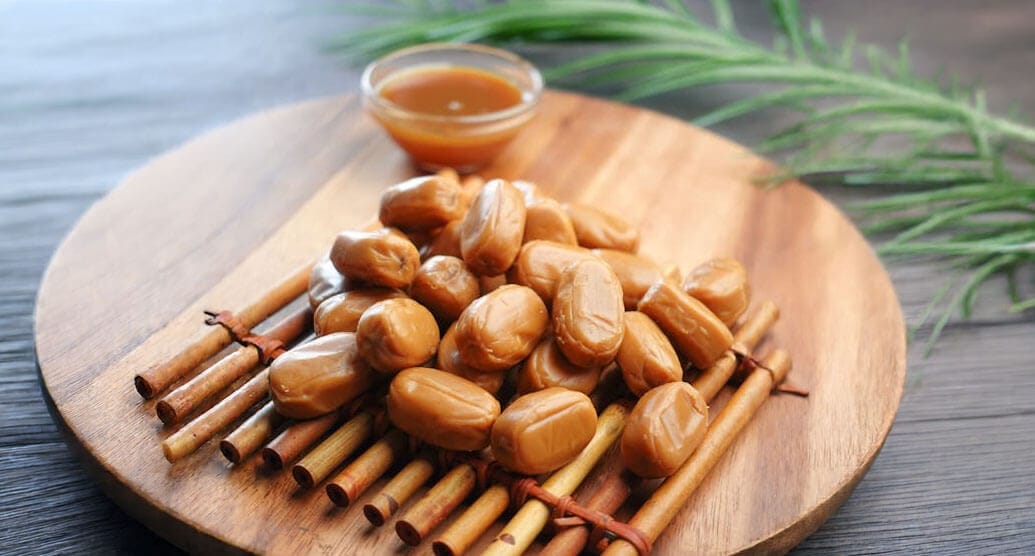
National Caramel Day, observed annually on April 5th throughout the United States, celebrates the magical transformation that occurs when sugar meets heat, creating rich, complex flavors and golden colors that range from pale amber to deep mahogany. This food holiday honors caramel in all its forms, from soft chewy candies to liquid sauce, brittle toffee to smooth filling for chocolates. Unlike celebrations of finished confections, National Caramel Day recognizes a fundamental cooking technique and flavor development process that demonstrates chemistry’s role in creating the tastes and textures we associate with comfort and indulgence. The timing in early April positions the observance during spring when thoughts turn toward lighter fare, though caramel’s year-round presence in desserts, candies, and beverages transcends seasonal boundaries. This celebration falls within the broader category of ingredient and technique observances that encourage culinary exploration and appreciation for cooking processes that transform simple starting materials into something remarkably different. Whether drizzled over ice cream, incorporated into candy apples, stirred into coffee drinks, or simply enjoyed as individually wrapped candies, caramel represents sugar cookery’s most accessible and universally beloved achievement, and National Caramel Day provides opportunity to explore this versatile preparation’s chemistry, history, and countless applications.
Caramel’s origins remain uncertain, though the process of cooking sugar until it browns and develops complex flavor likely occurred accidentally in multiple cultures once refined sugar became available. The word “caramel” derives from Latin “cannamellis,” meaning sugar cane, though the preparation itself required refined sugar rather than cane juice. Arab confectioners working with refined sugar in medieval times probably created early caramels, as Islamic culinary traditions extensively explored sugar cookery and candy making centuries before Europeans adopted these techniques. The chemistry underlying caramelization involves sugar molecules breaking down under heat, creating hundreds of new flavor compounds that contribute caramel’s characteristic taste.
European confectioners refined caramel techniques beginning in the 17th century as sugar became more affordable and available beyond aristocratic circles. French candy makers particularly excelled at sugar work, developing precise temperature control and cooking techniques that produced consistent results. The introduction of cream to cooked sugar created softer caramels with richer flavor than plain sugar caramel, establishing the soft caramel candy tradition. These creamy caramels required careful temperature management to achieve proper consistency between too-hard toffee and too-soft sauce, demonstrating skill that distinguished professional confectioners from amateur candy makers.
American caramel candy production industrialized in the late 19th century as entrepreneurs recognized commercial potential. Milton Hershey, before establishing his chocolate empire, built his initial fortune through the Lancaster Caramel Company, founded in 1886. Hershey’s caramels became nationally distributed products, establishing caramel candy as American staple rather than occasional luxury. The company’s success demonstrated that mass-produced candy could maintain quality while achieving scale that made treats affordable for working-class consumers. Other candy makers followed, creating regional caramel brands that competed in growing American confectionery markets.
Caramel sauce, distinct from caramel candy, developed through culinary applications where liquid consistency served specific purposes. French crème caramel and flan utilized caramel syrup as flavoring and coating for custards. Caramel sauce drizzled over desserts added visual appeal and flavor complexity. The development of dulce de leche in Latin America, created by slowly cooking sweetened milk until caramelized, represented parallel innovation producing similar flavors through different techniques. These various caramel preparations demonstrated the concept’s versatility across sweet applications from candy to sauces to dessert components.
National Caramel Day emerged organically within the landscape of food-specific observances proliferating in late 20th and early 21st century America. While exact origins remain unclear, the holiday likely developed through combination of candy industry marketing, food enthusiast communities, and social media amplification. The selection of April 5th appears arbitrary, following patterns where dates are claimed without particular historical significance. Regardless of origins, the observance now provides annual opportunity to celebrate caramel in its many forms while exploring the chemistry and technique underlying this fundamental sugar preparation.
The 1980s and 1990s saw caramel become ubiquitous flavoring in commercial food products beyond traditional candy applications. Caramel appeared in yogurt, ice cream, cookies, cakes, and countless other products as manufacturers recognized consumers’ love for caramel’s sweet, slightly bitter complexity. Starbucks popularized caramel in coffee drinks, particularly the caramel macchiato introduced in 1996, creating massive market for caramel-flavored beverages. This commercial expansion made caramel flavoring omnipresent while potentially diluting appreciation for proper caramel made through actual sugar cooking rather than artificial flavoring.
Salted caramel emerged as trendy flavor combination in the 2000s, initially in high-end chocolates and pastries before spreading to mainstream products. French chocolatier Henri Le Roux pioneered salted caramel candies in the 1970s using Breton sea salt, but the flavor profile gained widespread American recognition decades later. The salt enhanced caramel’s flavor complexity while tempering sweetness that could become cloying, creating more sophisticated taste that appealed to adult palates. Salted caramel’s popularity spawned countless products from ice cream to popcorn, demonstrating how simple flavor twists could create market excitement and premium pricing.
Artisan caramel makers emerged in the 2010s, emphasizing small-batch production, premium ingredients, and creative flavor combinations that positioned caramel as craft confection rather than mass-market commodity. These producers might incorporate bourbon, espresso, vanilla beans, or exotic spices into traditional caramel formulas, creating distinctive products that commanded premium prices. The artisan caramel movement aligned with broader trends toward locally produced foods and transparent ingredient sourcing, appealing to consumers seeking alternatives to industrial candy manufacturing.
Home candy making experienced revival during the COVID-19 pandemic as quarantined individuals sought engaging projects and homemade treats. Caramel sauce and soft caramels proved popular for their relative accessibility compared to more complex confections like chocolate truffles or fondant. Online tutorials and videos demystified caramel making, encouraging attempts by people who might have previously found candy making intimidating. This surge introduced caramel technique to new practitioners while creating appreciation for skill required to produce consistent results, potentially sustaining increased home caramel production beyond pandemic circumstances.
National Caramel Day matters because it celebrates a cooking process that demonstrates chemistry’s fundamental role in flavor development and texture creation. Caramelization involves complex chemical reactions where sugar molecules break down into hundreds of new compounds, creating flavors impossible to achieve through any other means. Understanding this transformation helps cooks appreciate why technique and temperature control matter, building foundation for scientific approach to cooking that enables consistent results and creative experimentation. The observance provides opportunity to explore these concepts through concrete, delicious examples that make abstract chemistry tangible and relevant.
From a sensory perspective, caramel demonstrates how cooking transforms not just flavors but entire sensory experiences. Raw sugar tastes simply sweet, one-dimensional and somewhat boring despite its immediate appeal. Cooked sugar develops bitter notes that balance sweetness, creating complexity that prevents palate fatigue. The Maillard reaction occurring simultaneously contributes additional flavors reminiscent of nuts, butter, and toast. This transformation teaches crucial lessons about flavor development applicable throughout cooking, encouraging patience with processes that seem wasteful or unnecessary but actually create the flavors that distinguish memorable food from merely adequate nutrition.
The celebration also honors tradition and skill transmission in candy making, a craft increasingly displaced by industrial production. Making proper caramel from scratch requires attention, timing, and willingness to accept occasional failure as temperatures exceed targets or crystallization ruins batches. These challenges make success rewarding while building troubleshooting skills and resilience around cooking failures. National Caramel Day encourages attempting traditional candy making rather than always defaulting to purchased products, preserving knowledge that risks disappearing as fewer people learn these techniques from family members or formal training.
Economically, National Caramel Day supports artisan candy makers who maintain small-scale production and traditional techniques in competitive market dominated by industrial confectioners. These businesses face challenges including higher ingredient costs, labor-intensive production methods, and limited distribution compared to mass-market brands. Consumer willingness to pay premium prices for superior quality and support for local businesses enables artisan candy makers to sustain operations while maintaining standards impossible at industrial scale. The observance creates awareness about these producers while encouraging purchases that support craft food production.
Perhaps most importantly, National Caramel Day celebrates simple pleasures and the joy of treating ourselves and others to something sweet and special. Caramel evokes childhood memories of candy apples at fairs, caramel corn at movies, or wrapped caramels from grandparents’ candy dishes. These associations connect caramel to comfort, celebration, and generosity across generations and cultures. The observance encourages making new memories around caramel while honoring traditions that have made this preparation beloved across centuries. Whether making caramel sauce for ice cream, attempting soft caramels as gifts, or simply enjoying store-bought caramel candies, National Caramel Day reminds us that food serves purposes beyond nutrition, creating moments of pleasure and connection that enrich lives in ways that merit celebration in their own right.

