National Caramel Popcorn Day
April 6, 2026

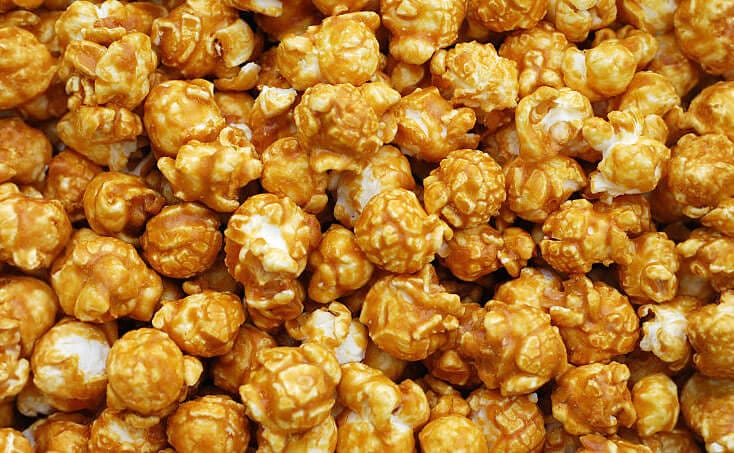
National Caramel Popcorn Day, observed annually on April 6th throughout the United States, celebrates the beloved combination of crunchy popped corn coated in sweet, sticky caramel that has delighted snackers since the late 19th century. This food holiday honors both homemade versions prepared in domestic kitchens and commercial products like Cracker Jack that became American cultural icons through baseball associations and nostalgic prize-in-box marketing. Unlike celebrations focused on savory popcorn seasonings, National Caramel Popcorn Day specifically recognizes the sweet treatment that transforms simple popped kernels into indulgent treats suitable for holidays, gifts, and special occasions. The observance falls within the broader category of snack food holidays that celebrate specific flavor combinations and preparation methods. The timing in early April positions it during spring when sweet treats appeal following winter comfort foods but before summer’s fresh fruit abundance shifts preferences toward lighter desserts. Whether enjoyed as movie snacks, holiday gifts, party favors, or simple afternoon treats, caramel popcorn represents American ingenuity in creating maximum flavor impact from inexpensive base ingredients, making National Caramel Popcorn Day an opportunity to appreciate how popcorn, sugar, and butter combine into treats that span economic classes and generations.
Popcorn itself has ancient origins, with archaeological evidence suggesting indigenous peoples in the Americas popped corn thousands of years before European contact. Native Americans introduced popcorn to colonists, who adopted it as popular snack and breakfast food throughout the 18th and 19th centuries. Early popping methods involved placing kernels in wire baskets or perforated pans held over fire, requiring constant attention to prevent burning. The invention of mechanical popcorn poppers in the 1880s enabled street vendors to prepare fresh popcorn in public spaces, establishing popcorn as quintessential American street food sold at fairs, circuses, and sporting events.
The combination of popcorn with caramel coating emerged in the late 19th century as American candy-making technology advanced and sugar became increasingly affordable. The exact origins of caramel popcorn remain disputed, with multiple vendors and confectioners claiming invention. The technique required cooking sugar, butter, and corn syrup to precise temperatures to achieve proper caramelization, then coating popped corn while the caramel remained pliable before it hardened. This process demanded skill and timing that separated successful caramel popcorn from burned sugar disasters or sticky messes that failed to achieve crisp coating.
Cracker Jack, introduced at the 1893 World’s Columbian Exposition in Chicago by Frederick William Rueckheim and his brother Louis, represents the most famous commercial caramel popcorn product and fundamentally shaped American caramel popcorn culture. The Rueckheim brothers perfected a formula that prevented individual kernels from clumping into solid masses, creating the free-flowing texture that defined successful caramel popcorn. The addition of peanuts to the formula created the distinctive Cracker Jack combination that became synonymous with baseball after the 1908 song “Take Me Out to the Ball Game” included the lyric “buy me some peanuts and Cracker Jack,” cementing the product’s association with America’s pastime.
The introduction of toys and prizes in Cracker Jack boxes beginning in 1912 created new marketing dimension that transformed simple snack into interactive experience. Children coveted the small prizes, creating brand loyalty that extended beyond product taste to the excitement of discovery. This prize promotion became so culturally significant that Cracker Jack prizes are now museum artifacts and collectibles representing American popular culture across decades. The strategy influenced countless subsequent products that used prizes to drive children’s preferences and parental purchases.
National Caramel Popcorn Day’s specific origins remain unclear, following patterns of many contemporary food holidays that emerge through grassroots enthusiasm, social media promotion, or industry marketing rather than formal establishment by organizations. The observance likely gained recognition in the early 21st century as food bloggers and snack enthusiasts sought to celebrate specific treats. The April 6th date appears arbitrary, with no apparent connection to popcorn harvests, caramel history, or significant events in caramel popcorn development.
The mid-20th century brought continued caramel popcorn evolution as small confectioners and home cooks developed regional variations and flavor innovations. Chicago-style popcorn, combining caramel and cheese flavors in single servings, emerged as distinctive regional specialty that demonstrated popcorn’s versatility as flavor carrier. Gourmet popcorn shops began appearing in the 1970s and 1980s, elevating popcorn from movie snack to specialty food suitable for gifts and special occasions. These artisan operations experimented with premium ingredients, unique flavor combinations, and upscale packaging that repositioned popcorn culturally.
The 1980s and 1990s saw microwave popcorn revolutionize home popping with convenient single-serving bags that required minimal effort and no specialized equipment. While most microwave varieties focused on buttered or lightly flavored options, the technology’s success demonstrated Americans’ enduring appetite for popcorn and willingness to pay premiums for convenience. This microwave revolution created new consumer expectations around effortless popcorn access that influenced broader snack culture.
The gourmet popcorn boom of the 2000s and 2010s brought unprecedented attention to specialty popcorn shops offering elaborate flavors, premium ingredients, and gift-worthy packaging. Companies like Garrett Popcorn Shops expanded beyond regional markets to national and international presence, demonstrating commercial viability for premium-priced popcorn. Internet shopping enabled small producers to reach national audiences without physical retail presence, creating diverse marketplace for artisan caramel popcorn alongside mainstream commercial products.
Recent years have brought health-conscious variations attempting to reduce sugar, use alternative sweeteners, or incorporate whole grains and nuts to improve nutritional profiles while maintaining caramel flavor appeal. These products respond to consumer desires for indulgent treats that align better with wellness goals, though the fundamental tension between candy coating and health food remains unresolved. The market now spans from classic high-sugar versions to moderately reformulated options that balance tradition with contemporary nutrition awareness.
National Caramel Popcorn Day matters because it celebrates an affordable indulgence accessible across economic classes, demonstrating that pleasure and celebration need not require expensive ingredients or professional preparation. Homemade caramel popcorn requires only popcorn kernels, sugar, butter, and basic cooking equipment, making it achievable for families on limited budgets seeking special treats. This accessibility makes caramel popcorn democratic pleasure rather than luxury reserved for those who can afford premium confections, supporting food culture where celebration and indulgence are inclusive rather than markers of economic privilege.
The observance supports American agriculture, particularly corn farmers in the Midwest who grow popcorn as specialized crop distinct from field corn used for animal feed and industrial purposes. Popcorn cultivation requires specific varieties bred for optimal popping characteristics including hull thickness, kernel size, and moisture content. The popcorn industry provides markets for thousands of farmers, supporting rural economies and agricultural diversity. Celebrating caramel popcorn creates consumer demand that sustains this agricultural production and the communities depending on it economically.
From a culinary perspective, National Caramel Popcorn Day honors kitchen skills around candy-making and precise temperature control that many contemporary cooks lack. Making caramel requires understanding sugar chemistry, recognizing proper caramelization through color and texture cues, and timing that separates success from failure. These skills transfer to other cooking contexts while building confidence and competence in kitchen. The holiday encourages home candy-making attempts that develop these abilities while creating handmade treats that carry personal meaning impossible to replicate with store-bought products.
The celebration highlights popcorn’s unique position as whole grain snack that provides fiber and nutrients despite association with movie theaters and junk food. Plain popcorn ranks among the healthiest snack options available, offering volume and satisfaction with relatively few calories when not heavily treated with fats and sugars. While caramel coating obviously negates these health advantages, the base food’s nutritional value creates potential for more moderate sweetening that preserves some benefits. National Caramel Popcorn Day can prompt discussions about balancing indulgence with nutrition rather than all-or-nothing thinking that vilifies treats.
National Caramel Popcorn Day also matters for preserving family traditions and intergenerational knowledge transmission as grandparents share caramel popcorn recipes with grandchildren, teaching not just cooking techniques but family stories and memories associated with the treat. These recipe exchanges maintain family connections while ensuring traditional preparations survive beyond single generations. The holiday creates specific occasions for these transmissions to occur, encouraging families to gather around food preparation rather than passive consumption. Whether making caramel popcorn for holidays, gifts, or simple enjoyment, the shared activity builds family bonds and creates new memories while honoring old traditions, demonstrating that even simple snacks carry cultural and emotional significance that transcends basic nutrition or taste preferences.

