National Carrot Cake Day
February 3, 2029

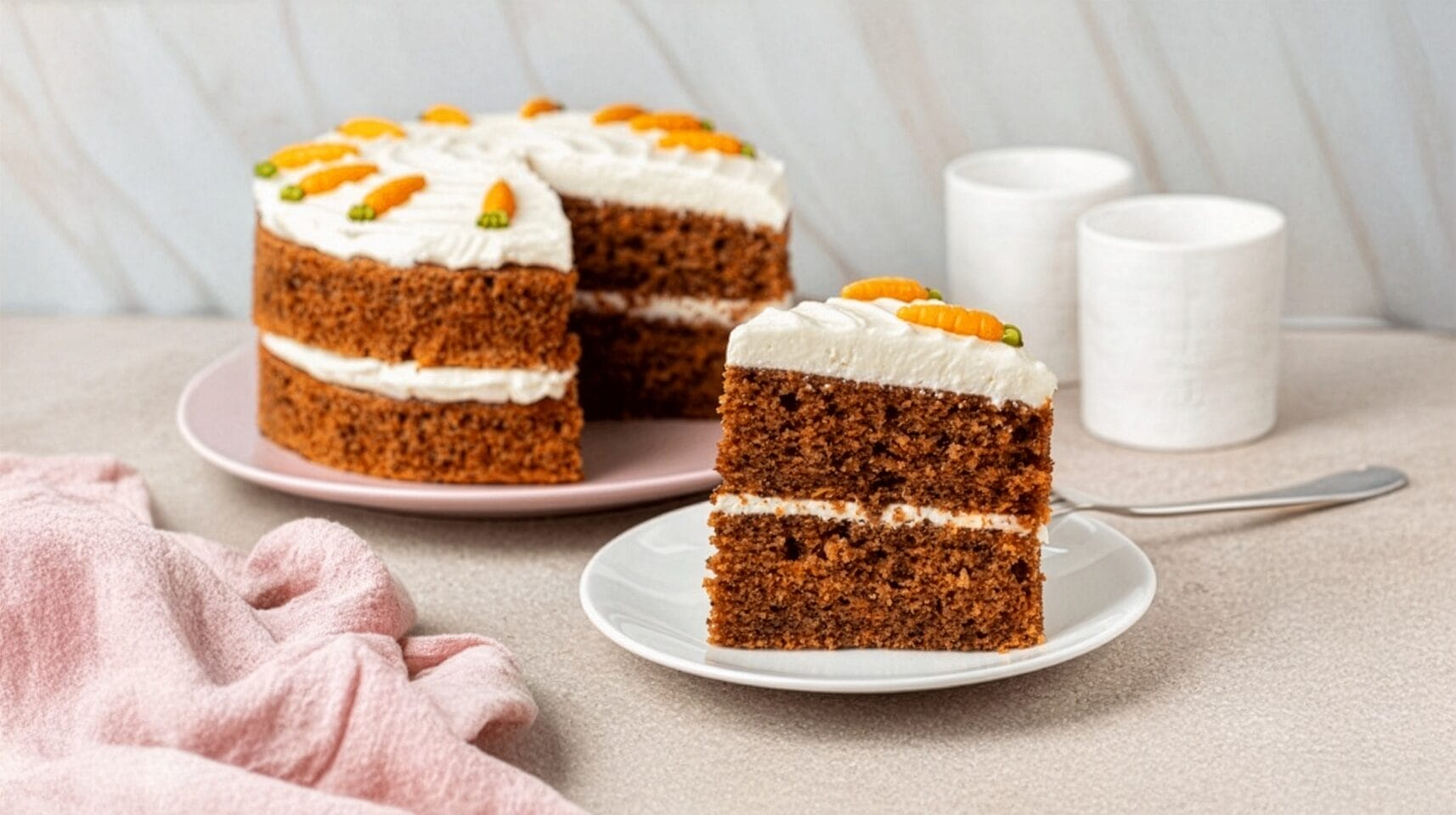
National Carrot Cake Day is observed annually in early February and centers on a dessert that reflects both culinary adaptation and historical frugality. Carrot cake’s roots can be traced to earlier European traditions that used sweet vegetables in desserts when sugar was scarce or expensive.
During the Middle Ages, carrots were among the sweetest vegetables readily available, making them a practical substitute for sugar in puddings and baked goods. These early preparations laid the groundwork for later carrot-based desserts, though they differed in texture and form from modern cake.
The contemporary version of carrot cake developed more clearly in the twentieth century, particularly during periods of rationing and economic constraint. As baking traditions evolved, carrots became incorporated into spiced cakes, valued for their moisture and subtle sweetness.
National Carrot Cake Day reflects how necessity-driven ingredients can become enduring dessert traditions.
Carrot cake occupies a distinctive space in dessert culture because it blends vegetable content with indulgence. Spices, nuts, and frosting balance the earthy sweetness of carrots, creating a layered flavor profile.
Culturally, carrot cake has often been framed as both comforting and slightly unconventional. Its acceptance demonstrates how expectations around dessert ingredients have expanded over time.
The cake’s popularity across cafes, bakeries, and home kitchens reflects its adaptability. Recipes vary widely, yet the core identity remains recognizable.
National Carrot Cake Day highlights how culinary traditions evolve through reinterpretation rather than strict replication.
National Carrot Cake Day remains relevant because it celebrates a dessert born from resourcefulness that has become a staple of modern baking.
The observance encourages appreciation for how historical constraints influence contemporary tastes.
It also reflects broader acceptance of diverse ingredients in desserts.
The day matters because it honors a cake that demonstrates how practicality and pleasure can coexist.