National Cheese Lover’s Day
January 20, 2028

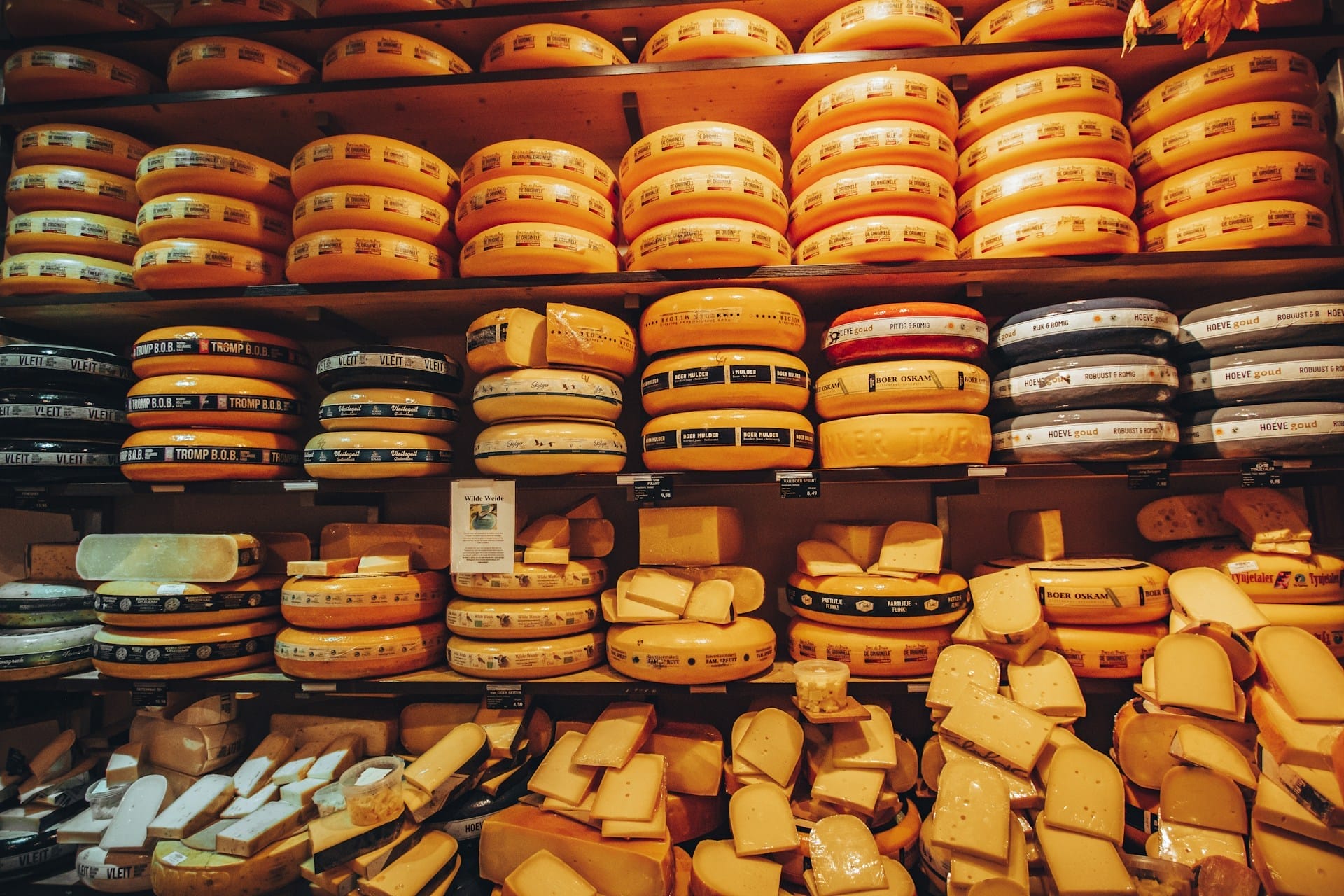
National Cheese Lover’s Day celebrates one of humanity’s oldest and most beloved foods. Cheese is not a modern indulgence or culinary trend. It is a preservation method that became a cultural cornerstone. Archaeological evidence suggests cheese making began more than 7,000 years ago, likely by accident, when early herders stored milk in containers made from animal stomachs. Natural enzymes caused the milk to curdle, separating into solids and whey. What emerged was not only edible, but more stable and transportable than fresh milk.
As civilizations developed, cheese evolved alongside them. In ancient Mesopotamia, cheese appeared in written records and artwork. The Romans refined cheese making techniques and spread them across Europe through trade routes and military expansion. They documented aging methods, regional styles and the importance of salt. During the Middle Ages, monasteries became centers of cheese innovation, developing varieties that are still produced today. These institutions had the time, resources and patience to experiment with aging, mold growth and milk types.
Cheese became deeply tied to geography. Climate, terrain, animal breeds and local microbes shaped distinct regional styles. Alpine regions favored hard, aged cheeses that could survive long winters. Coastal and lowland areas produced softer cheeses meant to be eaten fresh. Over time, cheese became a form of edible identity, representing where people lived and how they farmed.
When European settlers arrived in the Americas, they brought cheese making traditions with them. Over centuries, those traditions blended with new environments and innovations. Today, cheese exists in thousands of varieties across the globe, from fresh curds eaten hours after production to wheels aged for decades. National Cheese Lover’s Day honors this long relationship between people, animals, land and time.
At its core, cheese begins with milk, but the transformation is anything but simple. The type of milk used plays a major role in flavor and texture. Cow’s milk tends to be mild and versatile, making it suitable for a wide range of cheeses. Goat’s milk often produces tangy, bright flavors and softer textures. Sheep’s milk is rich in fat and protein, leading to creamy, complex cheeses.
Once milk is collected, cultures are added to convert lactose into lactic acid. This acidification process influences taste and safety while setting the stage for curd formation. Rennet or other coagulants cause proteins to bond, forming curds. The size of these curds, how much whey is removed and how they are handled all affect the final cheese. Smaller curds generally lead to firmer cheeses, while larger curds retain more moisture.
Aging, or affinage, is where cheese develops character. Some cheeses are meant to be eaten fresh, with clean dairy flavors and soft textures. Others are aged for months or years, allowing enzymes and microbes to break down proteins and fats into complex compounds. These reactions create aromas that range from nutty and sweet to earthy and pungent.
Molds and bacteria play a crucial role in many cheeses. Blue cheeses rely on specific molds to create veins and sharp flavors. Washed rind cheeses develop robust aromas through repeated bathing in brine, beer or wine. Natural rinds reflect the environment in which a cheese is aged, capturing local microbial life.
Modern technology has made cheese production more consistent, but artisan cheese makers continue to rely on intuition and experience. Temperature, humidity and time must be monitored closely. A small change can alter the outcome. National Cheese Lover’s Day celebrates this balance of science and craft, where knowledge meets patience and sensory skill.
National Cheese Lover’s Day is not about excess, but appreciation. One of the simplest ways to celebrate is to slow down and taste intentionally. Instead of eating cheese as an ingredient, try enjoying it on its own. Let it warm slightly to release aromas. Notice texture, saltiness and how flavors evolve on the palate.
Creating a thoughtful cheese board is another way to honor the day. Balance textures and milk types by including a fresh cheese, a soft ripened cheese, a firm aged cheese and something bold. Pair with bread, fruit or nuts, but allow the cheese to remain the focus. Accompaniments should support, not overpower.
Cooking with cheese offers another form of celebration. Melted cheese connects cultures through dishes like gratins, fondues, quesadillas and baked pastas. Each preparation highlights cheese’s ability to transform heat into comfort. Choosing high quality cheese elevates even simple recipes.
Supporting local cheese makers is a meaningful way to participate. Farmers and artisans invest time and care into their animals and processes. Purchasing their products helps sustain agricultural traditions and regional food systems. Visiting a creamery or farmers market can deepen appreciation for the labor behind each wheel.
National Cheese Lover’s Day also invites learning. Reading about how a favorite cheese is made or where it originates adds depth to enjoyment. Cheese is more than flavor. It is history, geography and culture expressed through food.
Ultimately, this holiday reminds us that cheese is a shared human achievement. It represents ingenuity, preservation and pleasure across centuries. Whether enjoyed alone, melted into a meal or shared with others, cheese connects people through taste and tradition. National Cheese Lover’s Day is a moment to savor that connection, one bite at a time.