National Cheesesteak Day
March 24, 2027

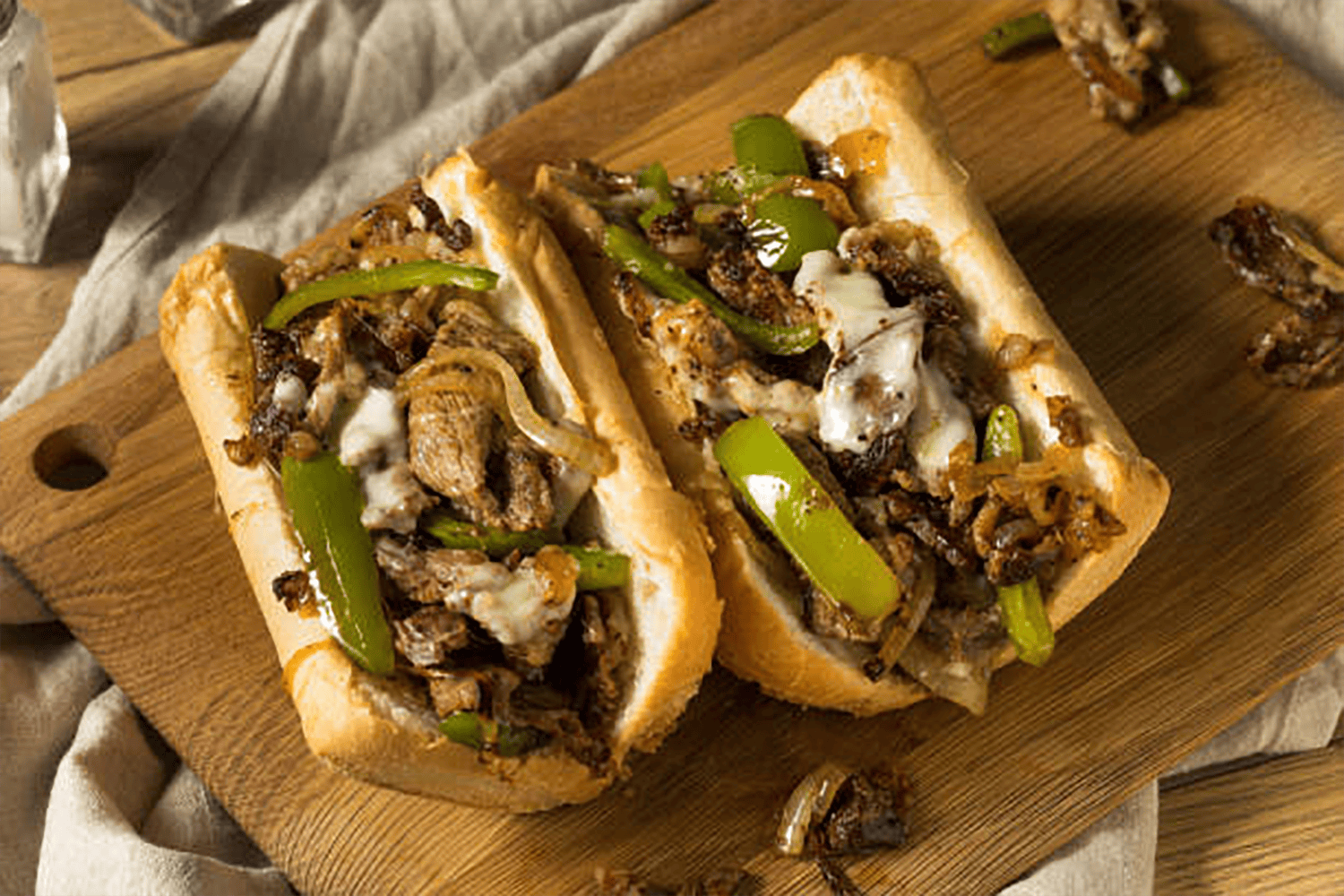
National Cheesesteak Day is observed each year on March 24 and celebrates one of the most recognizable American sandwiches: the cheesesteak. National Cheesesteak Day highlights a food born from working-class street vending, urban beef supply chains, and the evolution of sandwich culture in the twentieth century. While the cheesesteak is strongly associated with Philadelphia, its history reflects broader forces that shaped American cities, including immigration, meatpacking infrastructure, and quick-service eating habits.
The cheesesteak’s origin story is generally traced to early twentieth-century Philadelphia, where thinly sliced beef was cooked on a flat griddle and served in a long roll. At first, cheese was not necessarily part of the sandwich. The combination of shaved beef and bread reflected practicality: affordable cuts of beef could be sliced thin to cook quickly, and a sturdy roll made the sandwich portable for workers. The later addition of cheese transformed the sandwich’s texture and flavor balance, turning it into the form most people recognize today.
The ingredient microhistory central to National Cheesesteak Day is beef slicing technology. Thin slicing is not incidental. It increases surface area, allowing the meat to cook rapidly while staying tender if handled correctly. Industrial meat processing and mechanical slicers made consistent thin cuts possible at scale, shaping what people came to expect from a proper cheesesteak texture.
Bread also plays a structural role. The long roll must be firm enough to hold juices but soft enough to bite cleanly. Urban bakeries in the Northeast produced rolls suited to hot sandwiches, and these breads became tied to regional identity. Without the right roll, the cheesesteak’s balance of meat, cheese, and moisture shifts noticeably.
Migration and trade shaped the sandwich’s popularity. As workers moved and travel expanded, the cheesesteak traveled beyond Philadelphia. Restaurant replication spread the format nationally, often adapting ingredients to local supply chains. While the original remains regionally iconic, variations reflect regional cheese choices and bread availability.
National Cheesesteak Day reflects how a city sandwich became a national category. It celebrates a food that sits at the intersection of street food efficiency, industrial meat supply, and American sandwich culture.
National Cheesesteak Day highlights the cheesesteak as a symbol of regional pride and working-class innovation. The sandwich emerged in a city defined by manufacturing and port activity, where quick, filling meals were essential. Its structure aligns with industrial time constraints: cook quickly, serve hot, and eat without utensils.
Agriculturally, the cheesesteak depends on cattle production and grain-fed beef supply chains. Beef prices fluctuate based on feed costs, weather, and global demand. Because cheesesteaks rely on sliced beef rather than premium whole cuts, they historically allowed vendors to use less expensive portions of the animal while delivering strong flavor through seasoning and searing.
Cheese selection adds another layer of economic and cultural variation. Some versions use processed cheese products that melt smoothly and evenly, offering speed and consistency. Others use provolone or similar cheeses that provide sharper flavor. These choices reflect cost, melt behavior, and regional preference rather than a single universal standard.
Sensory anthropology explains why the cheesesteak remains compelling. The griddle sear creates browned flavor compounds that register as savory depth. The melted cheese binds meat and bread into a unified bite. The roll absorbs juices while still offering chew. The balance of fat, salt, and heat creates a concentrated flavor experience suited to fast consumption.
Regional comparisons reveal how the cheesesteak adapts. Outside Philadelphia, variations may include additional toppings, different cheeses, or alternative bread types. While some purists reject these changes, adaptation is a normal part of sandwich evolution. The core remains thin beef, cheese, and bread structured for portability.
A misconception worth correcting is that there is only one legitimate cheesesteak format. Even within Philadelphia, debates exist over cheese choice and toppings such as onions or peppers. National Cheesesteak Day can recognize that internal variation without flattening the sandwich into a single rigid formula.
Early 20th century: Thinly sliced beef sandwiches begin appearing in Philadelphia street vending contexts.
Mid 20th century: The addition of cheese becomes standardized in many versions, defining the cheesesteak identity.
Post-World War II era: Urban growth and automobile culture expand sandwich shops and roadside eateries, spreading awareness.
Late 20th century: National restaurant chains and sports culture increase the cheesesteak’s visibility beyond the Northeast.
Early 21st century: Regional adaptations proliferate, incorporating new cheese types and toppings while maintaining core structure.
Modern era: The cheesesteak remains closely tied to Philadelphia identity while functioning as a broadly recognized American sandwich.
Present day: National Cheesesteak Day reinforces both local pride and national familiarity with the sandwich format.
National Cheesesteak Day matters today because the cheesesteak remains a clear example of how regional foods become national symbols. It demonstrates how a practical worker’s sandwich can evolve into a culinary identity marker tied to city pride, tourism, and debate over authenticity.
Modern supply chains keep cheesesteaks widely accessible, but they also influence quality. Beef sourcing, bread production, and cheese distribution all affect texture and flavor. Price shifts in cattle markets can impact portion size or pricing, reminding consumers that even iconic sandwiches depend on agricultural economics.
Sensory anthropology continues to explain its staying power. The combination of browned beef, melted cheese, and soft bread activates multiple texture and flavor pathways at once. The sandwich feels substantial, direct, and satisfying without requiring elaborate presentation.
Misconceptions about authenticity can be reframed productively. While regional standards deserve respect, adaptation is part of culinary history. National Cheesesteak Day can acknowledge origin without freezing the sandwich in time.
Economic resilience also keeps the cheesesteak relevant. It is fast, filling, and relatively straightforward to produce at scale. That makes it compatible with modern time constraints and quick-service dining models.
National Cheesesteak Day matters because it honors a sandwich that bridges street food origins, industrial meat processing, and contemporary fast-casual culture, showing how a city specialty can become part of the broader American food landscape.