National Chili Day
February 24, 2028

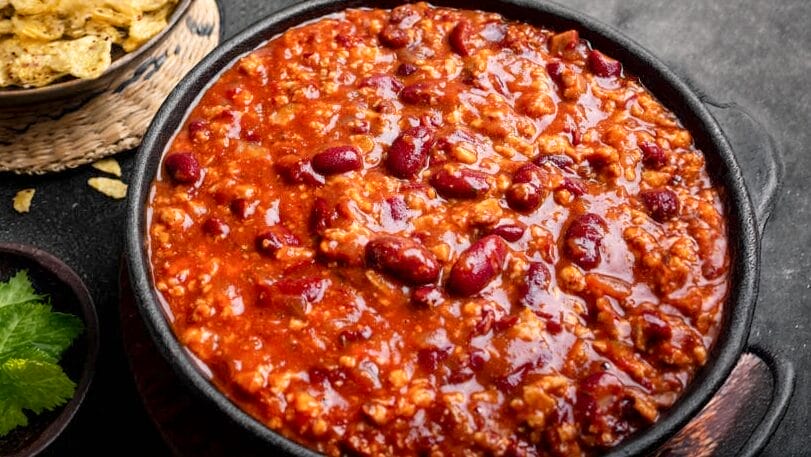
National Chili Day is observed annually on the fourth Thursday in February and celebrates a dish deeply rooted in the culinary history of the American Southwest. National Chili Day recognizes chili as both a regional staple and a cultural symbol shaped by migration, trade, and agricultural adaptation.
The origins of chili are closely associated with Texas and northern Mexico, where cattle ranching, dried chiles, and frontier cooking traditions converged during the nineteenth century. While the exact moment chili as we know it first appeared remains debated, historical records show that chili con carne, meaning “chili with meat,” was prepared in San Antonio as early as the mid-1800s.
San Antonio’s “chili queens” were among the earliest documented vendors of chili. These women sold bowls of chili in public plazas, serving laborers, travelers, and soldiers. Their open-air stands helped popularize the dish and established chili as a communal, affordable meal rather than a private household preparation.
Chili’s structure reflects frontier practicality. Dried chiles provided concentrated flavor and long shelf life. Beef, particularly tougher cuts, could be simmered slowly to become tender. Spices and preserved ingredients allowed for cooking in environments where fresh produce was not always available.
During the late nineteenth and early twentieth centuries, chili spread beyond Texas. Canned chili products introduced in the early 1900s expanded the dish’s national reach, aligning it with industrial food production and commercial branding.
National Chili Day reflects this evolution from regional frontier stew to nationally recognized comfort food, honoring a dish shaped by geography, labor, and adaptation.
National Chili Day highlights the cultural identity attached to chili, particularly within Texas, where chili has been designated the official state dish. In Texas tradition, authentic chili often excludes beans and tomatoes, emphasizing beef and chile peppers as the defining ingredients.
Outside Texas, regional interpretations vary widely. In the Midwest, chili commonly includes beans and may be served over spaghetti, reflecting local adaptation. In Cincinnati, a distinct chili style incorporates Mediterranean spices and is layered over pasta and topped with cheese.
These variations illustrate how migration and cultural exchange reshape dishes over time. As chili moved across states and communities, cooks adapted it to local tastes and available ingredients while preserving its core identity as a hearty, spiced stew.
Chili cook-offs further reinforced the dish’s communal role. Competitive chili events became popular in the twentieth century, encouraging regional pride and culinary experimentation. These gatherings transformed chili from everyday fare into an event-driven food culture.
Economically, chili intersects with cattle ranching and chile pepper agriculture. Beef production in Texas and surrounding regions provided foundational protein sources, while chile cultivation remains central to southwestern agricultural economies.
National Chili Day therefore represents more than a bowl of stew. It reflects regional debate, agricultural infrastructure, and the power of food to signal identity and belonging.
National Chili Day remains relevant because chili continues to adapt to contemporary tastes while retaining its recognizable structure. Vegetarian and plant-based versions have expanded accessibility, while maintaining the dish’s emphasis on depth and spice.
The observance also underscores chili’s affordability and scalability. Chili can be prepared in large quantities, making it suitable for community gatherings, fundraisers, and public events. Its durability and reheating quality reinforce its practicality.
In colder climates, chili’s warmth and density contribute to its status as comfort food. Seasonal timing in late February aligns with winter conditions in much of the United States, reinforcing its practical appeal.
Modern culinary interest in regional authenticity has renewed attention to chili’s origins. Debates over ingredients continue to shape public understanding of what constitutes traditional chili versus regional variation.
National Chili Day also highlights how immigrant and frontier cooking traditions influence national cuisine. The blending of Mexican chile techniques with American cattle ranching created a dish emblematic of borderland history.
National Chili Day matters because it honors a dish shaped by labor, landscape, and cultural negotiation. Its endurance demonstrates how regional foods can evolve into national traditions without losing their historical grounding.