National Chocolate Covered Insects Day
October 14, 2027

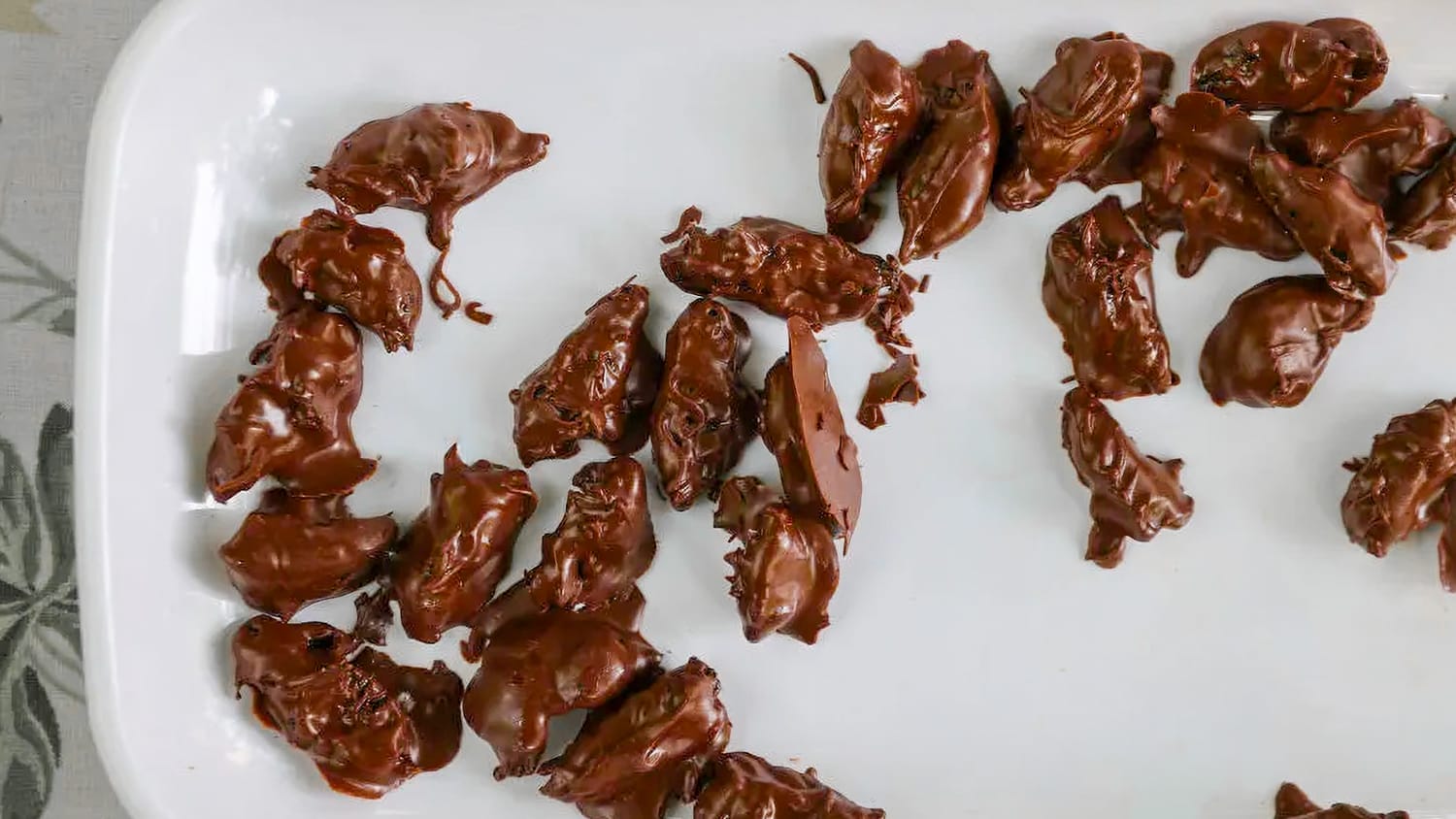
In many corners of the world, eating insects is neither a dare nor a stunt—it’s an ordinary part of daily life. National Chocolate Covered Insects Day playfully bridges this ancient practice with modern tastes, inviting the curious to sample crickets, mealworms, or ants dipped in velvety chocolate. Though the idea of coating crunchy critters in cocoa might sound novel, people have been roasting grasshoppers, crickets, and beetle larvae over fires and adding them to stews for millennia.
Indigenous communities in Africa and Latin America have long enjoyed the nutty flavor of dried larvae and the pop of lightly fried crickets. Across Asia, caramelized silkworm pupae and chocolate-drizzled ants still appear at market stalls, proving that this culinary adventure is far from new.
What makes this holiday remarkable is the way it challenges Western squeamishness with humor and curiosity. Entomologists and chefs alike have championed insects as a sustainable, high-protein food source. A handful of roasted crickets delivers as much protein as a small steak, yet requires far less land, water, and feed. Insects can be raised on organic waste streams and produce a fraction of the greenhouse gases of traditional livestock.
When dipped in bittersweet chocolate, their earthy flavor fades beneath layers of cocoa and sugar. Adventurous eaters describe the result as similar to chocolate-covered popcorn: a crunchy bite that gives way to smooth sweetness and a nutty finish. In Thailand and Mexico, chocolate-coated ants are considered treats, while in South Africa, mopane worms are stewed with peanut sauce—demonstrating how global and diverse the practice of eating insects truly is.
The celebration gained traction after the United Nations Food and Agriculture Organization’s 2013 report on entomophagy—the practice of eating insects—as a solution to global hunger and environmental strain. Since then, artisanal chocolatiers have crafted dark-chocolate-coated crickets, specialty shops sell snack packs of cocoa-dusted larvae, and innovative chefs have placed grasshoppers atop chocolate mousse in fine-dining restaurants.
National Chocolate Covered Insects Day doesn’t insist you swap your burger for bugs, but it encourages open-mindedness and adventure. A plate of chocolate-coated mealworms might spark conversation about sustainability, while a shared tray of chocolate ants could become a humorous—and memorable—icebreaker. Even skeptics who try one “just for fun” often discover that fear gives way to fascination.
This holiday celebrates more than shock value—it celebrates innovation, sustainability, and the widening of culinary horizons. As populations grow and food systems strain, edible insects may play a role in feeding the planet responsibly. Covering them in chocolate is a playful introduction to a serious conversation about the future of food. Whether you find the idea amusing or appetizing, National Chocolate Covered Insects Day invites everyone to reconsider what counts as delicious.