National Chopsticks Day
February 6, 2026

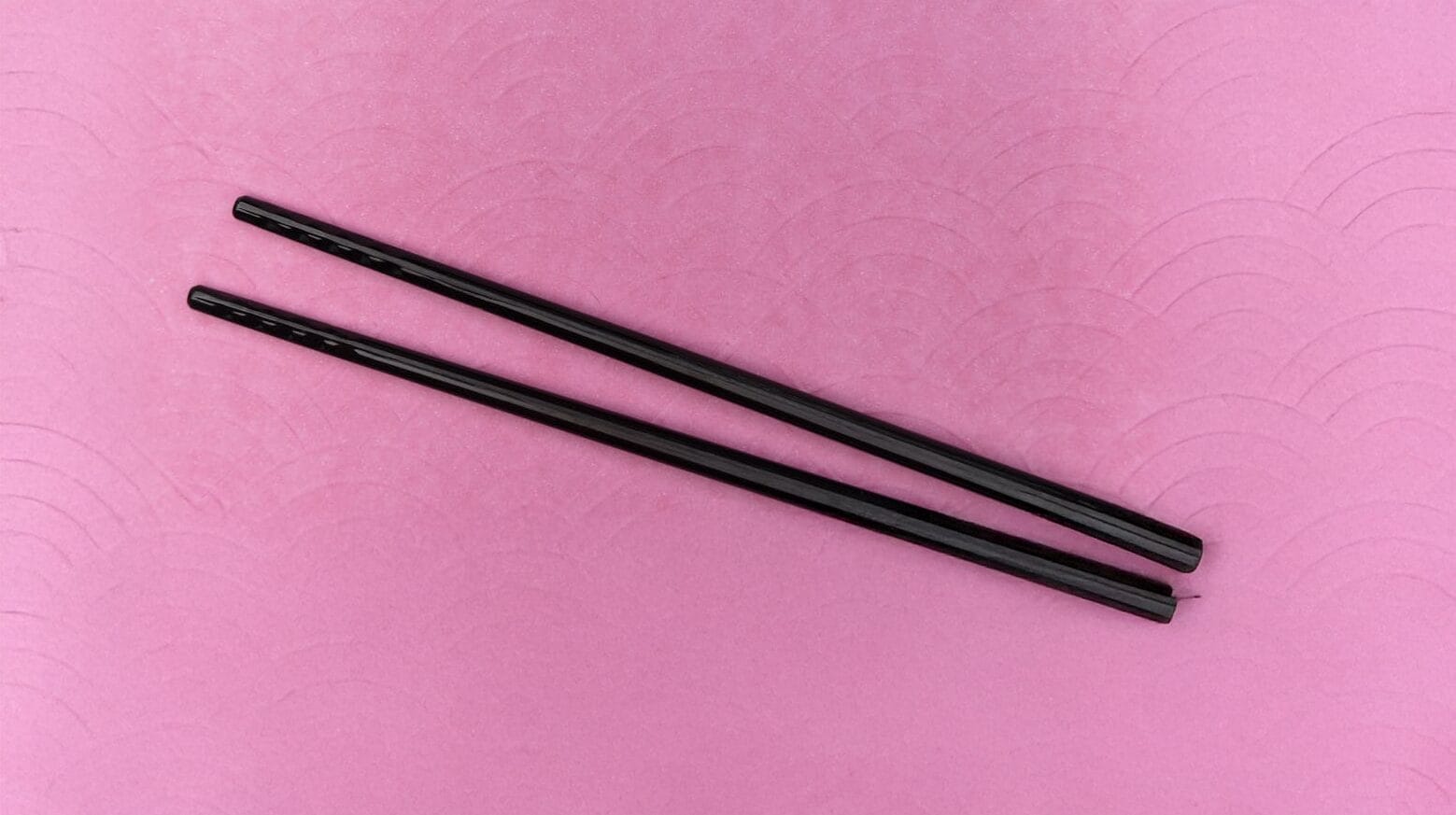
National Chopsticks Day is observed annually on February 6 and centers on one of the most enduring and widely used eating utensils in human history. Chopsticks originated in East Asia thousands of years ago and developed alongside changes in cooking methods, social organization, and philosophical thought.
The earliest evidence of chopstick use dates back more than three thousand years to ancient China. Initially, chopsticks were not used primarily for eating but for cooking. Early cooks used sticks to stir food in hot pots and retrieve items from boiling liquids, reducing the need for hands or bulky tools near fire. Over time, these implements migrated from kitchen to table.
As Chinese cuisine evolved, particularly with the increased use of chopping food into small, bite-sized pieces before cooking, chopsticks became increasingly practical for eating. This shift was influenced by both fuel efficiency and social structure. Smaller pieces cooked faster and required less fuel, while shared dishes encouraged communal dining.
Chopsticks spread beyond China through cultural exchange, trade, and migration. They became central to dining traditions in Japan, Korea, Vietnam, and other parts of East and Southeast Asia, with each culture adapting materials, length, shape, and etiquette to local values.
National Chopsticks Day reflects this long historical arc, recognizing chopsticks not as a novelty utensil, but as a technology shaped by environment, philosophy, and daily life.
Chopsticks carry cultural meaning that extends far beyond their function. In many East Asian traditions, the way food is prepared and eaten reflects broader values of harmony, balance, and moderation. Chopsticks, which require coordination and attentiveness, align with these principles.
Philosophical influences also shaped chopstick use. Confucian thought emphasized civility and restraint, discouraging knives at the table because they symbolized violence. Chopsticks, by contrast, were seen as gentle tools suited for peaceful dining. This distinction reinforced their adoption in formal meals and everyday life.
Socially, chopsticks encourage shared eating. Dishes are often placed at the center of the table, reinforcing communal participation rather than individual portioning. The utensil itself supports this structure, allowing diners to select small amounts without dominance or competition.
Variations in chopstick design reflect cultural priorities. Japanese chopsticks are typically shorter and more tapered, while Chinese chopsticks are longer to accommodate shared dishes. Korean chopsticks are often metal, reflecting different historical and material traditions.
National Chopsticks Day highlights how a simple object can encode social norms, values, and identity across generations.
National Chopsticks Day remains relevant in a globalized world where cultural tools increasingly cross borders. Chopsticks are now used worldwide, not only in traditional contexts but in diverse culinary settings, reflecting expanding appreciation for global foodways.
The observance also invites reflection on sustainability. Traditional chopsticks were often made from renewable materials such as bamboo or wood, offering contrast to disposable utensils that dominate modern consumption. This connection underscores how historical practices can inform contemporary concerns.
National Chopsticks Day encourages cultural literacy. Understanding how and why chopsticks developed fosters respect for the traditions they represent, moving beyond surface-level familiarity.
The day matters because it recognizes that everyday tools shape how people interact, share, and understand one another. Chopsticks are not merely utensils, but quiet carriers of history, philosophy, and cultural continuity.