National Cinnamon Crescent Day
April 10, 2029

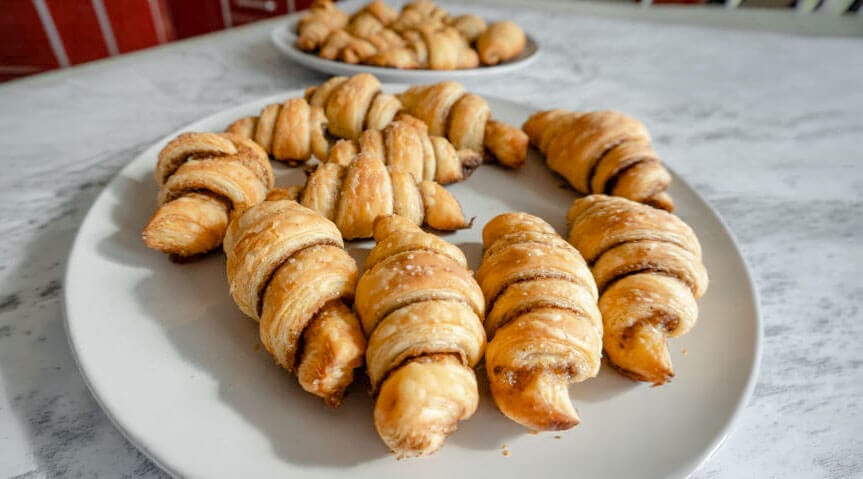
National Cinnamon Crescent Day, observed annually on April 10th throughout the United States, celebrates the flaky, crescent-shaped pastries filled with cinnamon-sugar mixture that represent a simplified American adaptation of European croissant traditions combined with Danish pastry influences. This food holiday honors a breakfast pastry that delivers impressive results from relatively simple techniques, making buttery, layered morning treats accessible to home bakers without requiring the intensive labor and technical precision of authentic croissants. Unlike celebrations focused on traditional European pastries, National Cinnamon Crescent Day recognizes American convenience baking culture where refrigerated dough products and shortcuts enable home bakers to produce bakery-style results with minimal time and skill investment. The observance falls within the broader category of breakfast and baked goods holidays that celebrate specific morning foods and their roles in American eating patterns. The timing in mid-April positions it during spring when breakfast baking enthusiasm peaks and families seek special weekend morning treats. Whether prepared from scratch using laminated dough techniques, assembled from refrigerated crescent roll dough, or purchased from bakeries, cinnamon crescents represent the American tendency to adapt European sophistication into democratic accessibility, creating treats that deliver pleasure without pretension or excessive difficulty.
Crescent-shaped pastries have deep roots in European baking traditions, with the Austrian kipferl and French croissant representing the most famous versions. The kipferl, a crescent-shaped yeasted pastry, dates to at least the 13th century in Austria, predating the croissant by centuries despite the French pastry’s greater contemporary fame. The croissant itself emerged in France during the 19th century, possibly inspired by Austrian baking traditions brought to Paris by Viennese bakers. The classic croissant requires laminated dough created through repeatedly folding butter into dough to create hundreds of thin layers that puff and separate during baking.
Danish pastry traditions contributed another influence on American cinnamon crescents, particularly the technique of rolling dough with cinnamon-sugar fillings. Danish bakers developed rich, flaky pastries filled with various ingredients including cinnamon, nuts, and fruit preserves. These pastries combined French lamination techniques with generous fillings and sweet glazes, creating indulgent breakfast treats that influenced American bakery culture as Danish immigrants established bakeries throughout the United States.
American adaptation of these European traditions emphasized convenience and accessibility over technical authenticity. While authentic croissants require days of preparation including multiple refrigeration periods and precise butter temperature management, American cinnamon crescents could be produced in hours or even minutes using shortcuts like refrigerated dough products. This pragmatic approach reflected American values around efficiency and democratic access, making special pastries available to families lacking time or expertise for traditional methods.
The development of refrigerated crescent roll dough, popularized by Pillsbury beginning in the 1960s, revolutionized home baking by providing pre-made dough requiring only unrolling, filling, and baking. These products democratized pastry-making by eliminating the most technically challenging aspects while delivering acceptable results that satisfied American palates accustomed to sweetness and convenience over European subtlety and tradition. The crescent roll format specifically invited cinnamon-sugar fillings, creating natural pairing that became American breakfast staple.
National Cinnamon Crescent Day’s specific origins remain unclear, following patterns of many contemporary food holidays that emerge through social media and enthusiast communities rather than formal establishment. The observance likely gained recognition in the early 21st century as food bloggers celebrated specific breakfast treats. The April 10th date appears arbitrary, with no apparent connection to cinnamon harvests, pastry history, or significant baking milestones.
The convenience baking revolution of the mid-20th century transformed American home baking through products like Bisquick (introduced 1931), cake mixes (1930s-1940s), and refrigerated dough products (1960s onward). These convenience items addressed changing American lifestyles as women increasingly worked outside homes and time available for scratch baking declined. The products maintained home baking traditions while adapting to contemporary time constraints, creating hybrid approach between complete scratch preparation and purchasing finished baked goods.
Pillsbury’s refrigerated crescent roll dough, introduced in 1965, became particularly influential in American baking culture. The distinctive pop-open can and pre-portioned triangular dough pieces made crescent preparation nearly foolproof, requiring minimal skill beyond following package directions. The product spawned countless recipe variations shared in community cookbooks, advertising materials, and eventually online platforms, with cinnamon-sugar fillings representing one of the most popular adaptations.
The 1980s and 1990s saw refrigerated dough products expand to include variations like reduced-fat versions, whole grain options, and larger package sizes for different household needs. Marketing campaigns emphasized versatility, encouraging consumers to view refrigerated dough as canvas for creative additions rather than finished product. This messaging positioned convenience products as enabling creativity rather than replacing authentic cooking, attempting to preserve home baking’s emotional and social values while acknowledging time constraints.
The artisan baking revival of the 2000s and 2010s created interesting tension with convenience baking culture. Food media increasingly celebrated from-scratch preparation and traditional techniques, potentially positioning convenience products as inferior shortcuts. However, many home bakers adopted pragmatic approaches using convenience products strategically while investing time in scratch preparations for special occasions. Cinnamon crescents occupied middle ground, achievable from scratch for dedicated bakers but accessible via refrigerated dough for busy families seeking special breakfast treats without extensive time investment.
National Cinnamon Crescent Day matters because it validates practical, accessible baking that accommodates real-world time constraints and skill levels rather than demanding perfection or extensive preparation. The celebration acknowledges that home baking serves multiple purposes beyond optimal technique execution, including creating special family moments, maintaining traditions, and producing homemade treats that carry emotional significance regardless of whether they match professional bakery standards. This validation supports inclusive baking culture where participation matters more than perfection.
The observance preserves family traditions and intergenerational knowledge transmission as parents and grandparents share cinnamon crescent recipes and preparation techniques with children. Many families possess beloved recipes using refrigerated dough as base with family-specific filling variations or serving traditions. National Cinnamon Crescent Day provides occasions to make these recipes together, discussing family history and creating new memories while teaching basic baking skills. These experiences introduce children to cooking while building positive associations with home food preparation.
From a culinary perspective, National Cinnamon Crescent Day demonstrates that thoughtful ingredient combinations and presentation create enjoyment even with simplified techniques. Quality cinnamon, proper butter distribution, and attention to baking time significantly impact final results regardless of whether dough is made from scratch or purchased refrigerated. The holiday encourages focus on controllable quality factors rather than discouragement over lacking time or skill for complete scratch preparation. This pragmatic approach builds cooking confidence while maintaining standards around flavor and presentation.
The celebration supports conversation about convenience products’ role in contemporary food culture. Refrigerated dough products enable home baking that might not otherwise occur given time constraints, maintaining traditions that complete outsourcing to commercial bakeries would eliminate. However, heavy reliance on convenience products distances cooks from understanding ingredient interactions and developing techniques transferable to other preparations. National Cinnamon Crescent Day can facilitate balanced discussions about convenience versus craft without judgmental extremes that either vilify shortcuts or dismiss traditional skill development.
National Cinnamon Crescent Day also matters for celebrating cinnamon itself, a spice with rich history in global trade and culinary traditions. Cinnamon represents one of the most economically significant spices historically, driving exploration and colonial expansion while flavoring foods across cultures for millennia. The spice provides antioxidants and potential health benefits alongside distinctive warm flavor that enhances both sweet and savory preparations. By featuring cinnamon prominently, the observance creates opportunities to educate about spice cultivation, trade economics, and culinary applications beyond familiar breakfast contexts. Whether prepared from scratch demonstrating advanced baking skills or assembled from refrigerated dough accommodating busy schedules, cinnamon crescents represent democratic approach to special breakfast treats, making National Cinnamon Crescent Day celebration of accessibility and practicality alongside flavor and tradition.

