National Clams on the Half Shell Day
March 31, 2026

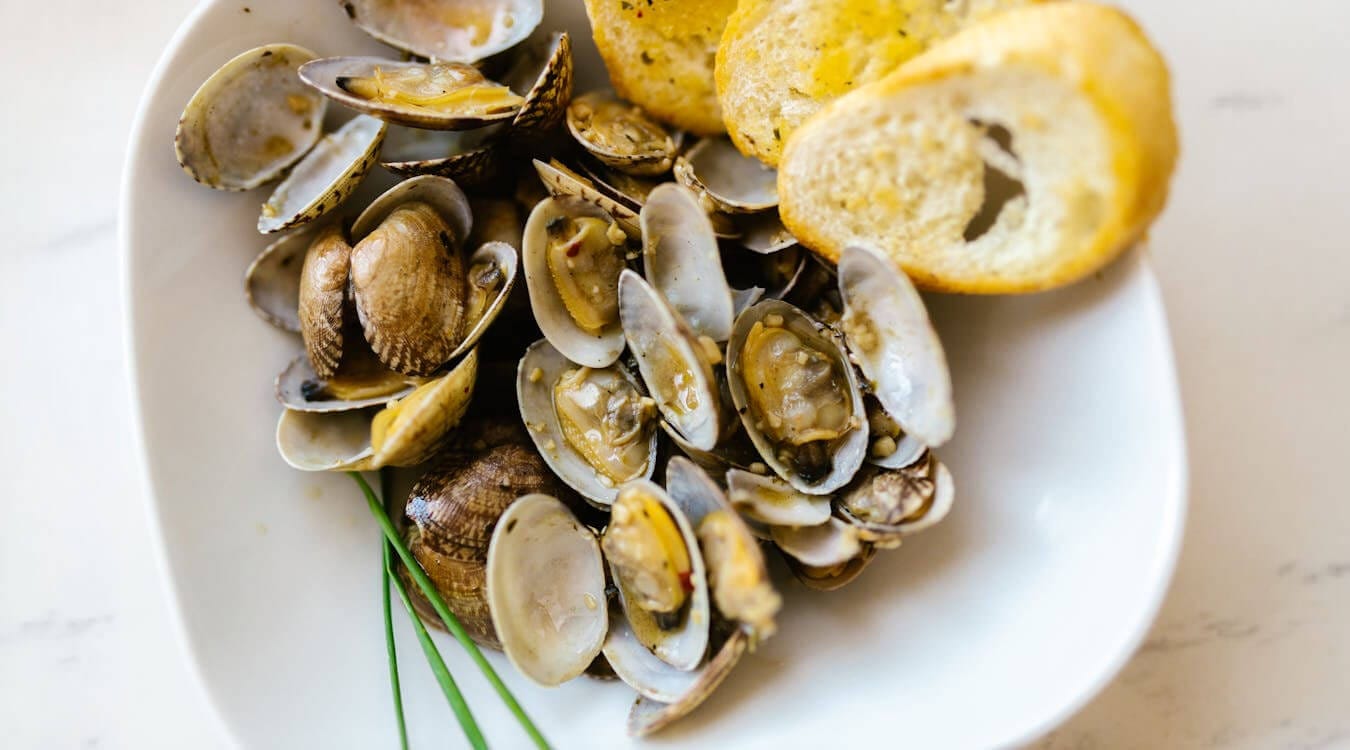
National Clams on the Half Shell Day celebrates a seafood tradition rooted in coastal living, shellfish harvesting, and culinary simplicity. National Clams on the Half Shell Day highlights the practice of serving raw or lightly prepared clams directly in their shells, a method that emphasizes freshness, texture, and the natural flavor of the sea. While often associated with restaurants and seafood bars, this tradition has much deeper connections to subsistence, environment, and regional identity.
The ingredient microhistory behind National Clams on the Half Shell Day begins with bivalve mollusks, particularly hard-shell clams harvested from coastal waters. These organisms filter water as they feed, which contributes to their clean, briny flavor when sourced from healthy ecosystems. Clams have been consumed by coastal populations for thousands of years, often as a reliable and accessible food source.
Unlike many other foods, clams require minimal transformation before consumption. When served on the half shell, they are simply opened and presented in their natural form. This method reflects a culinary philosophy that values freshness over heavy preparation. Lemon juice, vinegar-based sauces, or horseradish may be added, but the clam itself remains the focal point.
Coastal geography plays a defining role in this tradition. Regions with abundant shellfish beds, such as the northeastern United States, developed strong cultural associations with raw clam consumption. These areas built entire culinary identities around oysters and clams served fresh from local waters.
Migration and trade expanded the reach of this food. As seafood distribution improved, clams could be transported inland, allowing more people to experience raw shellfish. However, the strongest traditions remain tied to coastal communities where harvesting and consumption are closely linked.
National Clams on the Half Shell Day reflects a food tradition that prioritizes environment, freshness, and minimal intervention.
National Clams on the Half Shell Day highlights the importance of marine ecosystems in food production. Clams depend on clean water and stable environmental conditions, making them indicators of coastal health. Their presence and quality are directly tied to water quality management and sustainable harvesting practices.
Sensory anthropology explains the appeal of raw clams through their texture and flavor. The combination of softness, slight chewiness, and briny taste creates a distinct sensory experience that differs from cooked seafood. The act of consuming clams directly from the shell also adds a tactile and visual dimension.
Regional comparisons reveal variation in preparation. Some regions emphasize minimal additions, while others pair clams with sauces or garnishes that enhance flavor without masking it. These differences reflect local preferences and culinary traditions.
A misconception worth correcting is that raw clams are a modern or luxury food. Historically, they were often a practical and abundant resource for coastal populations.
Technological inflection points such as refrigeration and improved transport systems allowed clams to be distributed safely over longer distances, expanding their availability beyond coastal areas.
Economic resilience is evident in the shellfish industry, which supports fishing communities, seafood markets, and restaurants.
Ancient period: Coastal communities harvest and consume shellfish as a primary food source.
Pre-industrial era: Shellfish gathering remains central to local diets.
19th century: Commercial shellfish industries develop in coastal regions.
Early 20th century: Seafood distribution expands with refrigeration.
Late 20th century: Raw bar culture grows in restaurants.
21st century: Sustainability and water quality become central concerns.
National Clams on the Half Shell Day matters because it highlights the connection between food and environment. The quality of clams depends directly on water conditions, making them a reflection of ecological health.
The holiday also reinforces the value of simplicity in food preparation. By focusing on freshness, it contrasts with more processed or heavily altered foods.
Sensory anthropology continues to support its appeal through unique texture and flavor.
National Clams on the Half Shell Day also raises awareness of sustainable harvesting practices and the importance of protecting marine ecosystems.
Economic resilience ensures the continued importance of shellfish industries in coastal regions.
National Clams on the Half Shell Day matters because it connects culinary tradition with environmental responsibility.
